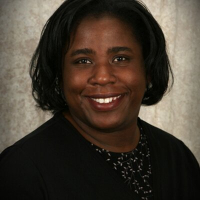
Alexis Kelson
LCSW
Texas 5 years in practice
Licensed Clinical Social Worker - Stress and Parenting
- Stress, Anxiety
- Trauma and abuse
- Depression
Family and parenting directory
1,616 therapists holding a Licensed Clinical Social Worker (LCSW) license list family or parenting among the things they work with. Licenses are shown as each therapist lists them; the state board that issued one is the place to check it.
A Licensed Clinical Social Worker (LCSW) is a master's-level clinician who provides assessment, therapy, care coordination, and advocacy for individuals and families. Below you can browse verified LCSW therapist profiles to learn about their specialties, therapeutic approaches, and professional backgrounds.
LCSW
Texas 5 years in practice
Licensed Clinical Social Worker - Stress and Parenting
LCSW
North Carolina 20 years in practice
LCSW - Family and parenting support
LCSW
Missouri 20 years in practice
Licensed Clinical Social Worker - Family and caregiving
LCSW
New York 20 years in practice
Licensed Clinical Social Worker - Family and parenting concerns
LCSW
Virginia 26 years in practice
LCSW - Family and relationship concerns
LCSW, LICSW
Minnesota 15 years in practice
Licensed Clinical Social Worker - Family and parenting focus
LCSW
Connecticut 16 years in practice
LCSW in Connecticut - family and life stress
LCSW
North Dakota 3 years in practice
LCSW - Relationships and Parenting
LCSW
California 10 years in practice
LCSW - stress and family concerns
LCSW
Louisiana 19 years in practice
Licensed Clinical Social Worker - Family and relationships
LCSW
Illinois 25 years in practice
LCSW - Stress and family concerns
LCSW
Florida 27 years in practice
LCSW in Florida - Family and relationship concerns
LCSW
Wisconsin 6 years in practice
LCSW - Stress and parenting support
LCSW
Texas 8 years in practice
Licensed Clinical Social Worker - Family and parenting concerns
LCSW
Oklahoma 30 years in practice
LCSW focused on family and grief
LCSW
North Carolina 3 years in practice
Licensed Clinical Social Worker - Family and stress concerns
LCSW
Florida 3 years in practice
Licensed Clinical Social Worker - Family and parenting concerns
LCSW-C, LCSW
Texas 35 years in practice
Licensed Clinical Social Worker - Family and relationship concerns
LCSW
Wisconsin 3 years in practice
Licensed Clinical Social Worker - Family and Parenting
LCSW
New Jersey 40 years in practice
LCSW - Stress and Family Concerns
Louisiana 28 years in practice
Licensed Clinical Social Worker - Stress and grief
LCSW, LISW-CP
South Carolina 10 years in practice
LCSW and LISW-CP - Family and parenting focus
LCSW, LISW-CP
North Carolina 10 years in practice
Licensed clinical social worker - Family and relationship concerns
LCSW
Kentucky 5 years in practice
Licensed Clinical Social Worker - Grief and Parenting
LCSW
Florida 5 years in practice
LCSW - Stress and addiction counseling
LCSW
New Jersey 40 years in practice
LCSW in New Jersey - family and parenting concerns
LCSW
California 25 years in practice
Licensed Clinical Social Worker - Family and relationship concerns
LCSW
New York 11 years in practice
Licensed clinical social worker - Family and trauma
LCSW
Indiana 26 years in practice
Licensed Clinical Social Worker - Family and parenting
LCSW
New York 8 years in practice English, Spanish
LCSW - Family concerns and self-esteem
LCSW
Missouri 44 years in practice
LCSW working with relationships and family concerns
LCSW
Florida 9 years in practice
Licensed Clinical Social Worker - Stress and Parenting
LCSW
Indiana 3 years in practice
Licensed Clinical Social Worker - Family and parenting concerns
LCSW
Louisiana 5 years in practice
Licensed Clinical Social Worker - Family and relationship support
LCSW
Texas 20 years in practice
Dr. Felicia Bennett, LCSW - Family and parenting concerns
New York 20 years in practice
Licensed clinical social worker - Family and parenting focus
LCSW
North Carolina 5 years in practice
LCSW - Stress and Parenting
LCSW
Texas 9 years in practice
Licensed Clinical Social Worker - Family and parenting concerns
LCSW
Louisiana 30 years in practice
Licensed Clinical Social Worker - Family and parenting
LCSW
Connecticut 19 years in practice
LCSW - Family and stress support
LCSW
Utah 35 years in practice
Licensed Clinical Social Worker - Family and parenting
LCSW
Florida 9 years in practice
Licensed Clinical Social Worker - Family and parenting focus
LCSW, LSCSW
North Carolina 6 years in practice
Licensed Clinical Social Worker - Family and parenting focus
LCSW
Florida 23 years in practice
Licensed Clinical Social Worker - Family concerns and stress
LCSW
Mississippi 20 years in practice
Licensed Clinical Social Worker - Relationships and Family
LCSW
Texas 6 years in practice
Licensed Clinical Social Worker - Family and parenting
LCSW
North Carolina 5 years in practice
LCSW - Stress and family concerns
LCSW
Louisiana 14 years in practice
Licensed Clinical Social Worker - Family and Relationship concerns
Some links on this page are partner links. We will earn a commission if you sign up through one, at no cost to you. It does not change what you pay or the order of the listings.
A Licensed Clinical Social Worker, often abbreviated as LCSW, is a professional credential granted to social workers who meet a state's requirements for clinical practice. In general, earning an LCSW starts with a graduate degree in social work - most commonly a Master of Social Work (MSW) from an accredited program. After completing academic coursework, aspiring LCSWs typically complete a period of supervised clinical experience, in which they work under the guidance of an experienced clinician to develop assessment and treatment skills. Candidates then take a clinical licensing exam that measures readiness for independent practice. Specific requirements, such as the number of supervised hours or the exact exam used, vary by state, so it is important to check the rules that apply where you live or where a therapist is licensed.
Holding an LCSW indicates that a clinician is authorized by a state board to provide certain kinds of clinical services. The credential links academic preparation with practical, supervised experience and a licensing process meant to ensure a baseline of competency for clinical social work. Because licensing is managed at the state level, portability and the steps necessary to practice in a different state can differ. If you are considering a therapist who is licensed in a state other than your own, verifying licensure in the relevant jurisdiction is an important step.
An LCSW is trained to provide clinical services that may include assessment, diagnosis, psychotherapy, crisis intervention, and ongoing treatment planning. Social work training emphasizes a holistic view of clients that includes attention to environmental, relational, and systemic factors affecting well-being. In addition to individual therapy, many LCSWs offer family therapy, couple work, and interventions that involve connecting people to community resources and supports.
Compared with other mental health licenses, such as psychologists, professional counselors, or marriage and family therapists, LCSWs often bring a distinct emphasis on social systems, community resources, and advocacy. The specific services a clinician provides depend on their training, experience, and practice focus rather than on the license alone. Licenses differ in scope, educational background, and the kinds of permitted activities in each state. When you compare license types, consider the blend of clinical skills, focus on systems-level factors, and typical settings where LCSWs practice, such as clinics, schools, community programs, and healthcare settings.
Many LCSWs also engage in care coordination, helping families navigate educational, medical, and social service systems. That role can be especially relevant when you are managing complex needs across multiple providers or institutions. While some licenses emphasize psychological testing or specific therapeutic modalities, LCSWs frequently integrate clinical work with practical problem solving and connection to resources.
LCSW therapists often work across a broad range of treatment areas that are relevant to parenting and family life. You will find clinicians who list experience with perinatal mental health, parenting stress, child and adolescent issues, relationship challenges, and blended family dynamics. Others focus on trauma, grief and loss, chronic stress, or the effects of life transitions. Many LCSWs work with families affected by systemic challenges such as housing instability, economic strain, or involvement with child welfare systems, reflecting social work’s emphasis on context and practical supports.
Therapists who list specific therapeutic approaches may offer cognitive-behavioral strategies, psychodynamic perspectives, trauma-informed care, family systems work, or other approaches. Remember that a listing of an approach indicates that a therapist uses that method in practice, not necessarily that they hold a formal certification in it. When you review profiles, look for descriptions of how approaches are applied to parenting concerns, what populations a clinician commonly works with, and whether their experience aligns with the issues you want to address.
Verifying licensure is a practical step you can take before reaching out to any clinician. The most reliable sources are the state licensing boards that regulate social work in the jurisdiction where the therapist holds a license. These boards typically provide an online license lookup where you can confirm that a license is active, view the license type, and check whether there are any public disciplinary actions. Searching by the clinician’s full name or license number will usually return the relevant record.
Another useful resource is the National Provider Identifier registry, which lists healthcare providers and can help you confirm basic professional details. If a profile lists a graduate school, you can verify the program’s accreditation through the Council on Social Work Education or similar accrediting bodies. When you have questions about dates, supervised hours, or the scope of practice, state board resources and official records are the most authoritative sources to consult.
Working with an LCSW can offer particular advantages if you want a clinician who integrates clinical therapy with attention to life systems and resource navigation. Because social work education includes assessment of environmental and social determinants of well-being, LCSWs often bring a practical problem-solving orientation alongside psychotherapy. That can be useful if you need help managing school- or workplace-related issues, connecting with community services, or coordinating care among multiple providers.
LCSWs also commonly have experience with family-centered work, making them a strong match for parenting concerns. Their training often covers family dynamics, developmental considerations across the lifespan, and culturally responsive practice. If your concerns include managing behavior challenges, addressing co-parenting conflict, or supporting a child through transitions, an LCSW’s blended clinical and systems focus may align with your needs.
Begin by clarifying what you want to address in therapy and what kind of approach feels most helpful to you. Read therapist profiles to learn about specialties, populations served, and the therapeutic approaches they list. When a profile mentions specific approaches, it indicates methods the therapist uses rather than an external certification. Consider whether you prefer a clinician who emphasizes family systems, child development, trauma-informed care, or practical resource coordination.
Language, cultural competence, and lived experience are also important. Look for therapists who list languages you speak or who describe working with communities similar to yours. Reviewing a clinician’s professional biography can help you assess fit. If you want to confirm licensure or review a license record, consult the state board lookup. Trust your sense of what will feel like a comfortable setting for you and your family; many people find it helpful to prioritize clinicians who describe their approach in clear, concrete terms and who explain how they work with families in early communications.
Ultimately, finding the right LCSW is an individualized process. Use profiles to narrow options based on specialty areas, approaches, and professional background, verify licensure through official state resources, and choose a clinician whose described approach aligns with your goals for therapy. Taking these steps can help you find a therapist who is well positioned to support your parenting and family needs.