
Dr. Paul Deutsch, LPC
LPC in Wisconsin - family and relationship concerns
- LPC, Wisconsin
- 3559-125 · runs to February 2027
- NPI
- 1942369988 · national provider identifier
- Years in practice
- 23
- Languages
- English
As listed on Paul's public professional profile. A license can be checked with the state board that issued it, and an NPI with the national registry.
About Paul
Dr. Paul Deutsch is a Licensed Professional Counselor (LPC) practicing in Wisconsin with 23 years of clinical experience. He works with stress, anxiety, trauma and abuse, depression, bipolar concerns, LGBT issues, relationship and family strain, parenting worries, grief, intimacy-related issues, anger, self-esteem, career questions, and compassion fatigue.
Sessions focus on practical ways to manage problems and regain steadiness at home and work. Paul trained in counselor education and supervision and holds a doctorate of education in that field.
Background and approach
He has spent most of his career in community-based rural settings and has worked both within clinical teams and in solo practice. That mix gives him experience with complex concerns and long-term difficulties as well as shorter focused work. His approach draws on Acceptance and Commitment Therapy, Cognitive Behavioral Therapy, Dialectical Behavior Therapy, client-centered methods, and existential ideas.
He uses language and behavioral strategies to help people notice what matters to them and make small changes that reduce distress. He also brings elements of solution-focused and narrative thinking to help reframe problems when useful. Outside of counseling he coaches strength and conditioning and has training in nutrition.
He also does business coaching to help people manage workplace challenges or career transitions. Those interests inform practical, behavior-based supports for managing energy, stress, and daily routines. For a parent worried about family tension or someone handling grief or life change, Paul offers clear, direct ways to work through current problems and plan next steps.
He asks about current goals and builds from what is already working in a person's life.
What Paul works with
Copied from Paul's public professional profile, in the words used there. It is what Paul lists, not a ranking or an assessment.
- Stress, Anxiety
- Trauma and abuse
- Eating disorders
- Bipolar disorder
- Depression
- LGBT
- Relationship issues
- Family conflicts
- Grief
- Intimacy-related issues
- Parenting issues
- Anger management
- Self esteem
- Career difficulties
- Coping with life changes
- Coaching
- Compassion fatigue
Approaches Paul names
- Acceptance and Commitment Therapy (ACT)
- Client-Centered Therapy
- Cognitive Behavioral Therapy (CBT)
- Dialectical Behavior Therapy (DBT)
- Existential Therapy
- Mindfulness Therapy
- Narrative Therapy
- Solution-Focused Therapy
- Trauma-Focused Therapy
- Internal Family Systems
Naming an approach is not evidence of training in it. This directory shows what each therapist lists and does not check training records.
How this therapist uses ACT, CBT and DBT online
Acceptance and Commitment Therapy (ACT) helps people clarify what matters to them and take small committed steps toward those values even when emotions are strong. It is useful for stress, anxiety, grief, and parenting conflicts. Cognitive Behavioral Therapy (CBT) focuses on changing unhelpful thoughts and behaviors through practical exercises and skill practice, which can reduce anxiety and depressive symptoms. Dialectical Behavior Therapy (DBT) offers concrete skills for emotion regulation, distress tolerance, and improving communication in tense relationships.Deciding which approach fits best is part of the work. The therapist will review a person's goals and day-to-day challenges and then suggest methods to try. Clients and the therapist make those choices together and adjust the plan based on what helps most over time.
If you plan to work online, confirm the current session options before booking since formats were not specified. Online work can make it easier to fit therapy into a busy family schedule, allow shorter check-in sessions when needed, and reduce travel time. It also supports using worksheets, behavioral experiments, and skill practice between sessions in real life. These practical benefits help apply ACT, CBT, or DBT work directly to parenting, relationship, and stress-management concerns.
Questions people ask about Paul
What kinds of concerns does he address?
He helps with stress, anxiety, trauma and abuse, eating and mood disorders, LGBT stressors, relationship and family issues, parenting, grief, career concerns, and compassion fatigue.
How would you describe his therapeutic style?
He uses Acceptance and Commitment Therapy, Cognitive Behavioral Therapy, Dialectical Behavior Therapy, client-centered techniques, and existential ideas to focus on practical steps and values-driven choices.
How much clinical experience does he have?
He has 23 years of experience in community-based rural settings, having worked on clinical teams and in solo practice.
What credential does he hold and where is he based?
He is a Licensed Professional Counselor (LPC) licensed in Wisconsin and practices from that state.
Does he work with people who speak other languages?
Sessions are offered in English.
Can international clients work with him?
He accepts international clients; confirm any cross-border details before scheduling.
How are session costs handled?
Cost varies with location and sessions use a subscription model that can be canceled at any time.
How do I begin a first session?
Select the See online therapy options button, complete a short matching questionnaire, and schedule a first session.
More therapists in Wisconsin
Everyone in Wisconsin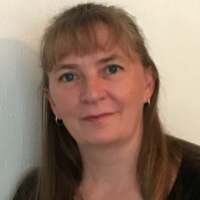
Kim Lawrence
LCSW
Wisconsin 6 years in practice
LCSW - Stress and parenting support
- Stress, Anxiety
- Trauma and abuse
- Bipolar

Megan McDermott
LCSW
Wisconsin 3 years in practice
Licensed Clinical Social Worker - Family and Parenting
- Addictions
- Relationship
- Coping with life changes

Morgan Gulbranson
LMFT
Minnesota 10 years in practice
LMFT in Wisconsin - Family and parenting focus
- Stress, Anxiety
- LGBT
- Relationship
Surnames under D · everyone in the directory whose surname starts with D
Is this your profile?
Ask us to correct a detail or take the page down.
Contact us