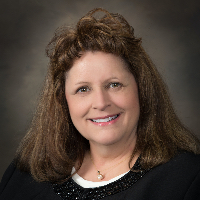
Marlene Fannon
LISW
Ohio 20 years in practice
Licensed Independent Social Worker - Relationships and Parenting
- Stress, Anxiety
- LGBT
- Grief
Family and parenting directory
3,536 therapists who list family or parenting also list trauma and abuse. All offer sessions online; each profile shows the state they are licensed in.
Compare profiles of therapists who list Trauma and Abuse alongside family and parenting concerns. Use listed location, approaches, languages, degrees, and focus areas to narrow options and then browse profiles to learn more.
LISW
Ohio 20 years in practice
Licensed Independent Social Worker - Relationships and Parenting
LCSW
Texas 5 years in practice
Licensed Clinical Social Worker - Stress and Parenting
LMFT
Georgia 7 years in practice
LMFT - Family and parenting focus
Texas 20 years in practice
Licensed Professional Counselor - Family and parenting concerns
LMHC
Florida 5 years in practice
Licensed Mental Health Counselor - Family and stress concerns
LPC
Arizona 8 years in practice
Licensed Professional Counselor - Family and parenting concerns
LPC
South Carolina 25 years in practice
Licensed Professional Counselor - Relationships and Family
LIMFT, LMFT
Kentucky 15 years in practice
Licensed marriage and family therapist - relationships and parenting
LPC
Alabama 5 years in practice
Alabama LPC focused on family and relationships
LPC
South Carolina 25 years in practice
LPC in South Carolina - family and parenting focus
New York 20 years in practice English, Hindi
Licensed Mental Health Counselor - Family and relationships
LCSW
North Carolina 20 years in practice
LCSW - Family and parenting support
LMHC, LPC
Florida 6 years in practice
Licensed counselor - Family and parenting concerns
LCSW
Missouri 20 years in practice
Licensed Clinical Social Worker - Family and caregiving
Arizona 21 years in practice English, Spanish
Licensed Professional Counselor - Family & parenting focus
LCSW
New York 20 years in practice
Licensed Clinical Social Worker - Family and parenting concerns
LPC
Texas 22 years in practice
Licensed Professional Counselor - Family and parenting concerns
LCSW
Virginia 26 years in practice
LCSW - Family and relationship concerns
LCSW, LICSW
Minnesota 15 years in practice
Licensed Clinical Social Worker - Family and parenting focus
LPC
Missouri 5 years in practice
Licensed Professional Counselor - Family and anxiety support
LCSW
Connecticut 16 years in practice
LCSW in Connecticut - family and life stress
LCSW
California 10 years in practice
LCSW - stress and family concerns
LISW
Iowa 3 years in practice
LISW - Stress and parenting focus
LIMHP
Nebraska 27 years in practice
LIMHP - Stress and family concerns
LCSW
Louisiana 19 years in practice
Licensed Clinical Social Worker - Family and relationships
LCSW
Illinois 25 years in practice
LCSW - Stress and family concerns
LPCC
Kentucky 7 years in practice
Licensed Professional Clinical Counselor - Relationships and Family Concerns
LPC
Louisiana 24 years in practice
Licensed Professional Counselor - Family and parenting focus
Texas 4 years in practice
Licensed Professional Counselor - Family and relationship concerns
LCSW
Wisconsin 6 years in practice
LCSW - Stress and parenting support
LCSW
Texas 8 years in practice
Licensed Clinical Social Worker - Family and parenting concerns
LPC
Idaho 4 years in practice
Licensed Professional Counselor - Family and parenting concerns
LMHC
Florida 8 years in practice
LMHC - Family and stress support
LCSW
Florida 3 years in practice
Licensed Clinical Social Worker - Family and parenting concerns
LPC
Texas 17 years in practice
Licensed Professional Counselor - Family and parenting
LCSW-C, LCSW
Texas 35 years in practice
Licensed Clinical Social Worker - Family and relationship concerns
LMHC, LPC
Pennsylvania 10 years in practice English, Hebrew
LMHC LPC - Stress and family concerns
LMFT
Florida 18 years in practice
LMFT - Family and parenting concerns
Georgia 10 years in practice
Licensed Professional Counselor - Family and Parenting
Louisiana 28 years in practice
Licensed Clinical Social Worker - Stress and grief
Texas 3 years in practice
Licensed Professional Counselor - Family and stress support
LCSW, LISW-CP
South Carolina 10 years in practice
LCSW and LISW-CP - Family and parenting focus
Georgia 8 years in practice
Licensed Professional Counselor - Family and parenting concerns
LPC
Michigan 25 years in practice
Licensed Professional Counselor - Parenting and Life Concerns
LMSW
Michigan 20 years in practice
Licensed LMSW - Family and parenting focus
LMHC
Iowa 8 years in practice
Licensed Mental Health Counselor - Relationship and Family concerns
LPC
Wisconsin 23 years in practice
LPC in Wisconsin - family and relationship concerns
LCSW, LISW-CP
North Carolina 10 years in practice
Licensed clinical social worker - Family and relationship concerns
Some links on this page are partner links. We will earn a commission if you sign up through one, at no cost to you. It does not change what you pay or the order of the listings.
When you are dealing with parenting stress, blended family tensions, or adult children and aging parent dynamics, past or recent trauma and abuse can affect how you relate to others and how you make parenting decisions. Therapists who list Trauma and Abuse among their focus areas may help you explore how painful experiences influence your boundaries, responses to conflict, or patterns that repeat across generations. That said, a listing on this page does not establish a causal link between trauma and every family concern; it only indicates that the clinician has chosen to note this topic among their areas of work. Your situation is unique, and a thoughtful therapist will want to understand the specifics of your family relationships before suggesting next steps.
If someone in your household is in immediate danger or at risk of harm, contact emergency services or local child protection authorities right away. Individual therapists listed here generally provide one-on-one care for adults with family and parenting concerns, so if safety is an issue you should prioritize immediate in-person help over a directory search. Use the profiles and listed location information to identify clinicians who appear relevant, then reach out to confirm whether their practice aligns with your needs.
Trauma and abuse can show up in parenting in many ways: as difficulty trusting a co-parent, as heightened anxiety around a child’s behavior, or as confusion about discipline and boundaries when your own caregiving history was complicated. You may be an adult child of someone who experienced trauma, or you may be parenting while coping with recent abuse. Therapists who list both family or parenting and Trauma and Abuse on their profiles have indicated these are areas they attend to, but the listing does not specify whether the clinician works with children, runs family sessions, or provides any particular diagnostic services. When you read profiles, look for mentions of experience with adult survivors, with parenting stress, or with the issues that feel most pressing to you. Consider whether you would prefer someone who emphasizes emotion-focused approaches, skills-based coping, or explorations of family patterns; therapists who list different approaches offer different starting points for conversation rather than guarantees of a specific path.
Many adults seek support because they want to change how they respond to their children after difficult experiences, or because they hope to break cycles that have affected multiple generations. You can use profiles to compare how clinicians describe their focus areas and clinical interests. Pay attention to language about family relationships and parenting to find clinicians who explicitly mention those concerns alongside trauma and abuse. That will help you identify profiles that are most likely to address both the legacy of harm and day-to-day parenting challenges.
When you contact a clinician after viewing a profile, clear, specific questions will help you determine whether their experience matches your needs. Ask whether they have worked with adults who want to change parenting patterns after abuse or who are managing parenting while coping with trauma reminders. Inquire about the approaches they list on their profile by saying, for example, "I saw you list EMDR among your approaches - can you describe how you might integrate that work with parenting concerns?" That phrasing avoids assuming training and invites a description of practice. You should also ask about language and cultural experience if those factors matter to you, and about their experience with populations similar to yours, such as adoptive parents, blended families, or caregivers of aging parents.
Distinguish between academic degrees and professional licenses. A profile may show degrees such as PhD, PsyD, MD, MA, or MSW; these indicate completed academic programs but do not by themselves show current permission to practice. Ask the clinician which professional license they hold and whether they are licensed to work with you in your listed location. You can also request information about supervision or ongoing professional development if that is important to you. Concrete questions about how they handle crisis planning, coordination with other providers when needed, and what a typical first few sessions look like will give you a realistic sense of style and process.
If you are considering remote sessions or in-person care, it is useful to discuss logistical and safety-related matters up front. Confirm whether the clinician provides services to people at your listed location and ask what their intake procedures involve. Discuss how they approach situations where someone is in immediate danger and how they prefer to coordinate with emergency resources when necessary. Talk about session length, how they track progress on parenting goals, and what paperwork or consent forms will be required before starting.
When trauma and abuse are part of the picture, establishing a plan for moments of heightened distress is important. Ask how the clinician supports clients who become overwhelmed during a session and whether they collaborate with other professionals, such as pediatricians or legal advocates, when that coordination is appropriate and you consent. If you are exploring remote work, discuss practicalities like technology expectations and backup plans if a session must be paused. Clarity on these topics will help you decide if a clinician’s approach and practice procedures feel manageable and respectful of your boundaries.
Profiles offer several clues that can help you compare clinicians beyond a simple specialty label. Start with the focus areas listed on the profile: therapists who list Trauma and Abuse alongside family and parenting concerns may emphasize different entry points, such as symptom management, working through past events, or shifting parenting practices. Read profile descriptions to see which emphasis resonates with your objectives. Language offerings are also important; if you prefer sessions in a language other than English, look for profiles that list that language in the practitioner’s stated skills. Cultural competence is often described in profile text, and you can follow up with direct questions to learn more.
Consider credentials and how they are presented. Degrees such as PhD, PsyD, MD, MA, and MSW tell you about academic background. Licenses or registrations indicate permission to practice in specific jurisdictions. Because license requirements vary by state and country, verify that the clinician is authorized to work in your listed location before committing to care. Finally, assess communication style in profile language: some clinicians describe a collaborative, skills-focused approach while others emphasize reflective, narrative, or body-based work. Those descriptions can give you a sense of whether a clinician’s style will match your preferences, but the clearest way to confirm fit is a direct conversation that asks about techniques, pacing, and what a typical session might address in relation to your parenting and family goals.
Browse profiles to identify clinicians whose focus areas and descriptions feel relevant, then reach out with targeted questions about experience, licensure in the listed location, and how they handle safety concerns. If there is an immediate threat to a child or adult, contact emergency services or the appropriate child protection authority before pursuing directory research. Use the directory as one tool among others - it can help you compare practitioners by language, degrees, focus, and stated approaches - and remember that the most useful next step is a direct conversation with a clinician who can explain how they would work with your specific family and parenting needs.