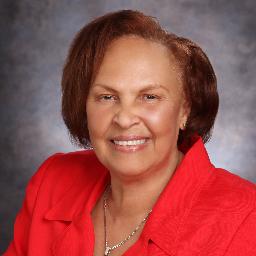
Deitra Jones
LCSW
California 10 years in practice
LCSW - stress and family concerns
- Stress, Anxiety
- Addictions
- Trauma and abuse
Family and parenting directory
507 therapists based in California list family or parenting among the things they work with. Sessions are online; a US therapist can usually only see people in a state where they hold a license, so check the license card on each profile.
Browse profiles of therapists who list family relationships and parenting among their specialties in California. Compare focus areas, professional degrees, approaches, languages, and experience, then open profiles to confirm a therapist's listed location and permission to work with you where you live.
LCSW
California 10 years in practice
LCSW - stress and family concerns
LMFT
California 11 years in practice
Licensed MFT - relationships and parenting
LMFT
California 10 years in practice
Licensed Marriage and Family Therapist - Relationships and Stress
LCSW
California 25 years in practice
Licensed Clinical Social Worker - Family and relationship concerns
LMFT
California 16 years in practice English, Spanish
LMFT - Family and parenting focus
LCPC, LPCC
Maryland 14 years in practice
LCPC and LPCC - Relationships and Family concerns
LCSW
California 10 years in practice
Licensed Clinical Social Worker - Family and parenting
LPCC
California 10 years in practice
LPCC in California - Family and relationship concerns
LMFT
California 11 years in practice
LMFT - Family and parenting support
California 3 years in practice
Licensed Marriage and Family Therapist - Parenting and Stress
LCSW
California 6 years in practice
Licensed Clinical Social Worker - Family and stress concerns
LCSW
California 8 years in practice
Licensed Clinical Social Worker - Family and parenting concerns
LMFT
California 20 years in practice English, Spanish
Licensed Marriage and Family Therapist - Parenting and communication
LMFT
California 10 years in practice
Licensed Marriage and Family Therapist - Relationships and Family
LMFT
California 20 years in practice
LMFT - Family and parenting concerns
LCSW
California 10 years in practice
LCSW - Family and parenting concerns
LMFT
California 12 years in practice
Licensed Marriage and Family Therapist - Family and parenting
LCSW
California 20 years in practice English, Hebrew
LCSW - Family and self esteem focused
LMFT
California 37 years in practice
LMFT - Relationships and Family Concerns
LMFT
California 40 years in practice
LMFT in California - Relationship and Family focus
LMFT
California 10 years in practice
Licensed Marriage and Family Therapist - Family and parenting
LCSW
California 30 years in practice
Licensed Clinical Social Worker - Family and Life concerns
LMFT
California 6 years in practice
Licensed MFT - Family and parenting concerns
LMFT
California 5 years in practice
Licensed Marriage and Family Therapist - Relationships and Family
LCSW
California 5 years in practice
Licensed Clinical Social Worker - Relationships and Family
LCSW
California 8 years in practice
Licensed Clinical Social Worker - Family and parenting issues
New Jersey 25 years in practice
LCSW - Family and parenting support
LMFT
California 23 years in practice
Licensed Marriage and Family Therapist - Family and parenting
LCSW
California 11 years in practice
Licensed Clinical Social Worker - Trauma and Parenting
LCSW
California 8 years in practice
Licensed Clinical Social Worker - Family and parenting focus
LMFT
California 22 years in practice
LMFT in California - Stress and relationships
LMFT
California 9 years in practice
California LMFT - Family and parenting concerns
LMFT
California 30 years in practice
LMFT - Relationships and Family concerns
LMFT
California 30 years in practice
Licensed Marriage and Family Therapist - Family and relationships
LMFT
California 30 years in practice
Licensed Marriage and Family Therapist - Family and relationship concerns
LCSW
California 20 years in practice English, Spanish
Licensed Clinical Social Worker - Family and parenting concerns
LCSW
California 5 years in practice
Licensed Clinical Social Worker - Relationships and Parenting
LMFT
California 17 years in practice
LMFT - Family and relationship concerns
LCSW
California 23 years in practice
LCSW - Trauma and mood concerns
LMFT
California 7 years in practice
California LMFT - Family and relationship work
LMFT
Oklahoma 25 years in practice
LMFT - Family and relationship support
LPCC
California 7 years in practice
LPCC counselor - relationships and life changes
California 25 years in practice
Licensed Marriage and Family Therapist - Relationships and Family
LMFT
California 16 years in practice
Licensed Marriage and Family Therapist - Relationships and Parenting
LCSW
California 5 years in practice
Licensed Clinical Social Worker - Family and trauma focus
LMFT
California 7 years in practice
Licensed Marriage and Family Therapist - Family and Parenting
LCSW
California 25 years in practice
Licensed Clinical Social Worker - Family and Relationship Concerns
LMFT
California 25 years in practice
LMFT - family and relationship concerns
Some links on this page are partner links. We will earn a commission if you sign up through one, at no cost to you. It does not change what you pay or the order of the listings.
When you begin your search in California, it helps to name the specific parenting or family concerns you want to work on. You might be coping with parenting stress, questions about discipline and boundaries, challenges with teenagers, stepfamily dynamics, estranged adult children, or the responsibilities of caring for aging parents. Saying out loud what feels most pressing - for example managing conflict with a co-parent, supporting a child with behavior issues, or navigating grief while parenting - will make it easier to compare profiles and identify clinicians who mention related focus areas. Remember that the fact a therapist lists a topic does not guarantee they treat children, run family sessions, or work with couples. These profiles document specialties that therapists list; you should ask the therapist directly about the populations they work with and how they approach those concerns.
As you consider your needs, think about the outcomes you are hoping for and what you can reasonably expect from individual work. Therapists listed here help individuals with parenting and family-related concerns, and many draw on a range of approaches to support parents and caregivers. Picking someone whose experience aligns with your priorities - whether you want help with parenting strategies, emotional regulation, or boundary setting with adult relatives - will give you clearer questions to ask when you view a profile or reach out.
Profiles on this site are grouped under a listed location of California, but that grouping is not evidence of an office, physical proximity, eligibility for every resident, or an active license in that state. Always open a profile and look for the details the therapist provides, then confirm their permission to work with you where you live. A person’s academic degree - such as PhD, PsyD, MD, MA, or MSW - describes formal education, not legal authority to practice. Licenses and registrations are separate from degrees and determine whether someone may provide mental health care in California. Ask the therapist what professional license they hold and whether that license authorizes practice with clients in your state.
When reviewing profiles, note how degrees and licenses are presented. A profile may list a degree without listing a license, and a degree alone does not establish current permission to practice. If a profile mentions a professional license, inquire about the exact designation and where that license is active. Confirming this early will avoid confusion and help you understand whether a given clinician can lawfully support you. If you need help locating state license verification resources, the therapist can usually point you toward the appropriate regulatory board for California.
Comparing approaches and lived experience across profiles helps you find a therapeutic fit. When you contact a therapist, you can ask concrete questions that clarify how they might work with your issue. Examples include asking whether they have experience helping parents of adolescents, single parents, adoptive parents, or people navigating blended family transitions; asking how they typically help individuals build coping strategies for parenting stress; and asking how they support caregivers dealing with aging relatives. Be specific - mention the age of the child or the nature of the family arrangement so the clinician can describe relevant experience.
Therapists often list approaches on their profiles, and you can ask them to explain what those approaches might mean for your work together. For example, you might say I see you list cognitive-behavioral approaches, attachment-informed approaches, or that you list EMDR among your approaches - how would those be applied to parenting or family concerns? Frame questions so you understand whether the approach is used with individual adults focused on parenting, rather than assuming it implies family or couples sessions. Also ask about practical details that affect fit: how they typically structure goals, what kinds of homework or in-between-session work they recommend, and how they measure progress together. Those answers will give you a clearer sense of therapeutic style and whether it matches what you are looking for.
If you are considering care that might happen without in-person meetings, there are key topics to cover before you begin. Ask whether the clinician is permitted to provide care to someone who lives in California at the time you would meet, and confirm any regulatory or licensure details that affect cross-jurisdictional practice. Discuss how you will handle emergencies or safety concerns: if a child or adult is unsafe, call local emergency services or your local emergency number immediately. Clarify whether the clinician has a plan for crises that involves local resources near where you live. Talk about practical expectations for setting up a comfortable environment on your end, such as finding a quiet, undisturbed space and ensuring your technology supports the session.
It is also reasonable to explore communication boundaries and what forms of messaging the therapist uses between sessions. Some clinicians outline preferences for email or text contact and describe their usual response times; others prefer scheduling administrative contact through a portal. Ask about consent, record-keeping practices, and how to cancel or reschedule so you understand the administrative side of care. These conversations help you decide if a therapist’s logistical approach aligns with your needs and with the demands of parenting life.
When you look across profiles, compare several dimensions to narrow your options. Focus areas tell you which issues a therapist lists among their specialties, such as parenting stress, co-parenting conflict, blended family issues, or caring for aging parents. Languages listed on a profile indicate the clinician’s ability to communicate in those languages, which can be important if you prefer support in a language other than English. Professional credentials and the way they are described help you distinguish education from licensure - again, degrees like MA, MSW, PhD, PsyD, and MD are not the same as a professional license or registration. Read how each profile presents those details and prepare questions to confirm current licensure and permission to practice where you live.
Therapeutic style is another factor you can compare. Some clinicians emphasize practical skills and strategies, others highlight exploration of personal history and meaning, and some blend different emphases. Profiles may indicate these tendencies through the language they use, client descriptions, and the approaches listed. If you see specific modalities mentioned, such as therapists who list EMDR among their approaches, or those who reference cognitive-behavioral techniques, you can ask the clinician to explain how those approaches would be tailored to your parenting or family concerns. Ultimately, your decision can rest on how well a profile’s stated focus areas, language skills, degrees and licenses, and described style match what you need right now.
As you compare, keep in mind that a profile is a starting point. Use the profile to form targeted questions, confirm factual details like licensure and location permissions, and learn whether the clinician works with individuals on the kinds of parenting and family challenges you face. If something feels unclear, ask for clarification before you commit to a first meeting. Thoughtful comparison will help you find a clinician whose skills and approach align with your priorities as you navigate family life in California.