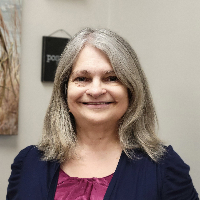
Mark Zinke
LCSW
Illinois 25 years in practice
LCSW - Stress and family concerns
- Stress, Anxiety
- Addictions
- Career
Family and parenting directory
198 therapists based in Illinois list family or parenting among the things they work with. Sessions are online; a US therapist can usually only see people in a state where they hold a license, so check the license card on each profile.
On this Illinois page you can compare profiles of clinicians who list family or parenting among their specialties. Browse profiles to review focus areas, approaches, languages and academic degrees, and contact any therapist to confirm their permission to work with you where you live.
LCSW
Illinois 25 years in practice
LCSW - Stress and family concerns
IL Psychologist
Illinois 19 years in practice
Illinois Psychologist - Relationships and Parenting
LCPC
Illinois 3 years in practice
Licensed counselor - Family and relationship support
LCPC
Illinois 38 years in practice
Licensed Clinical Professional Counselor - family and parenting
LCSW
Illinois 6 years in practice
LCSW - Family and parenting concerns
LCPC
Illinois 26 years in practice
LCPC - Stress and family concerns
LCPC
Illinois 20 years in practice
Licensed Clinical Professional Counselor - Family and parenting issues
LCSW
Illinois 10 years in practice
Licensed Clinical Social Worker - Family and stress support
LCSW
Illinois 9 years in practice
LCSW - Stress and family concerns
LCPC
Illinois 11 years in practice
Illinois LCPC - Stress and Anxiety
LCPC
Illinois 16 years in practice
LCPC in Illinois - Family and relationship concerns
LCPC
Illinois 23 years in practice
Illinois LCPC - Family and parenting concerns
LCSW
Illinois 30 years in practice
LCSW for stress and parenting concerns
LCPC
Illinois 11 years in practice
LCPC in Illinois - Family and relationship concerns
LCSW
Illinois 30 years in practice
Licensed Clinical Social Worker - Family and relationship concerns
LCSW
Illinois 3 years in practice
Licensed Clinical Social Worker - Family and parenting concerns
LCPC
Illinois 15 years in practice
Illinois LCPC - Family and relationship concerns
LCSW
Illinois 26 years in practice
LCSW - Stress and family concerns
LCSW
Illinois 8 years in practice
Licensed Clinical Social Worker - Stress and Parenting
LCSW
Illinois 5 years in practice
Licensed Clinical Social Worker - Family and Relationship concerns
LCPC, LMHC
Iowa 10 years in practice English, Spanish
Rev. Sergio Ayala - Counselor for stress and family matters
LCPC
Illinois 18 years in practice
LCPC in Illinois - Stress and Family concerns
LPC, LCPC
Illinois 23 years in practice
Licensed counselor - Family and relationship concerns
LCSW
Illinois 25 years in practice
LCSW - Stress and family concerns
Illinois 18 years in practice
IL LCPC - Family and relationship support
LCPC, LPC
Virginia 15 years in practice English, Spanish
LCPC / LPC - Stress and family concerns
LCSW
Illinois 11 years in practice
LCSW - Stress and parenting focus
Illinois 17 years in practice
LCSW - Trauma and family-related concerns
LCPC
Illinois 25 years in practice
Illinois LCPC - Relationships and Family
LCPC
Illinois 30 years in practice
Dr. Cassandra April, LCPC - Family and trauma focus
Illinois 13 years in practice
Illinois LCPC - Family and Parenting
LCPC
Illinois 6 years in practice
Illinois LCPC - Stress and family concerns
LCSW
Illinois 8 years in practice
Licensed Clinical Social Worker - Family and parenting focus
LCSW
Illinois 27 years in practice
LCSW - Relationships and parenting
LCSW
Illinois 11 years in practice
Licensed clinical social worker - family and life concerns
Illinois 33 years in practice
Licensed Clinical Social Worker - Family and parenting concerns
LCSW
Illinois 5 years in practice
LCSW - Family and parenting focus
LCSW
Illinois 8 years in practice
LCSW focusing on family and parenting concerns
LCPC
Illinois 40 years in practice
LCPC - Relationships and Parenting
LCPC
Illinois 25 years in practice
Licensed Clinical Professional Counselor - Stress and Family
LCSW
Missouri 6 years in practice
LCSW - Stress and addiction support
LCPC
Illinois 30 years in practice
LCPC counselor - family and life changes
LCPC, LPC
Arkansas 7 years in practice
Licensed counselor - Relationships and family
LCSW
Illinois 20 years in practice
LCSW - Relationships and family support
LCSW
Illinois 10 years in practice
LCSW in Illinois - Family and grief focus
LCPC, LMHC
Illinois 7 years in practice
Licensed counselor - Relationships and parenting
LCPC
Illinois 25 years in practice
Illinois LCPC - Family and parenting focus
Illinois 15 years in practice English, Greek
Licensed Clinical Professional Counselor - Family and Parenting
Some links on this page are partner links. We will earn a commission if you sign up through one, at no cost to you. It does not change what you pay or the order of the listings.
If you are feeling overwhelmed by parenting demands, repeated conflict with an adult child, tensions in a blended household, or worry about an aging parent, it is reasonable to seek guidance. Many people look for a clinician when daily routines feel unmanageable, communication breaks down, or parenting decisions become a persistent source of stress. You may want support to develop new strategies for setting boundaries, managing behavioral concerns, coping with grief or loss, or learning ways to reduce escalation during arguments. On this directory you will find professionals who list family or parenting among their specialties; that listing indicates interest or focus but does not by itself mean a clinician treats every issue or population. Because these profiles are individual practitioners, you should discuss your specific concerns directly with anyone you contact to confirm whether they work with the particular age group or issue you bring.
If a child or adult is in immediate danger, or you believe someone may act on self-harm thoughts, call 911 or your local emergency services, or use a crisis hotline right away. A directory page like this is intended to help you compare profiles and prepare questions, not to replace urgent intervention.
Profiles on this page are grouped under the listed location Illinois. That grouping helps you find clinicians who indicate a connection to Illinois, but it is not evidence of an office, proximity to your home, or current permission to practice there. You should check each individual profile for details and confirm directly with the clinician that they are authorized to work with you where you live. Academic degrees such as PhD, PsyD, MD, MA, and MSW describe educational credentials and are different from a professional license or registration that grants clinical practice rights. A degree alone does not establish current legal permission to practice in a state. When you review a profile, look for clear statements about professional licensure or registration and consider asking the clinician which state board issues their license and whether they are permitted to provide care to Illinois residents if you will be working remotely across state lines.
Because the directory collects self-reported specialties, a listing of family or parenting among a clinician's focus areas does not confirm they treat children, couples, or all family situations. Begin conversations with direct questions about the populations and concerns they serve so you can assess fit.
When you contact a clinician, prepare concise questions that will help you understand how they might work with you. Ask what kinds of parenting challenges they see most often and whether they have experience with situations like yours - for example, blended family dynamics, teen behavioral issues, co-parenting after separation, or caregiving for an aging relative. Instead of assuming a particular method, ask whether the clinician uses approaches that align with your preferences and values. You can inquire whether they work with therapists who list EMDR among their approaches, or those who list attachment-focused or behavioral approaches, and ask what that looks like in sessions for an individual seeking parenting support. It is appropriate to ask about typical session structure, how they measure progress, and what practical strategies they offer to help you practice new skills between conversations.
Also ask about cultural competency and experience with diverse family forms. If language access matters to you, check whether the clinician speaks your preferred language. Clarify whether their academic degrees and any licensure are current and relevant to your needs. These direct, concrete questions will help you evaluate whether a profile is a promising match and will make initial conversations more efficient and informative.
If you are considering remote care, discuss logistics and boundaries before starting. Ask the clinician how they handle scheduling, missed sessions, and emergency contacts so you know what to expect on practical matters. Confirm whether they will work with you across state lines and verify any licensing or registration requirements that affect out-of-state practice. Talk about technology preferences and what platforms they use for video or phone sessions, and ask about privacy protections and how your information will be stored or communicated. You should also discuss how to handle interruptions or technical failures during a session and what alternatives are available if you cannot connect.
It is important to set expectations about the scope of help. Clarify whether the clinician focuses on individual work that aims to help you manage your reactions and parenting choices, rather than providing family therapy or couple therapy unless that is explicitly stated on the profile. If you are exploring support for a child, ask whether the clinician works with minors and what parental involvement they require. These conversations can reduce confusion and help you determine whether the person listed on the profile offers the type of help you want.
Comparing profiles effectively means looking beyond a single label. Start by reading how each clinician describes their focus areas and consider whether those descriptions match your immediate concerns. Look for mentions of experience with the life stage or family structure you are dealing with, such as parenting infants, adolescent behavior, stepfamily transitions, or elder caregiving. Pay attention to languages spoken, since communicating in your preferred language can shape how comfortable you feel discussing sensitive issues. Review academic degrees separately from statements about licensure or registration so you can verify both education and legal permission to practice.
Style and fit are as important as formal qualifications. Some clinicians emphasize skills coaching and practical behavior strategies while others describe a reflective approach that explores underlying patterns and family histories. You can identify this from the language used in profiles and then ask clarifying questions when you reach out. Consider asking for examples of how they have helped individuals change a specific parenting habit or manage a recurring conflict, bearing in mind that clinicians will not promise outcomes. By comparing how clinicians articulate their focus, approaches they list, languages, and credentials, you can shortlist profiles that merit an initial conversation. That conversation is the best way to decide whether the clinician's style, experience, and the practical arrangements will work for you in Illinois or in your chosen setting.