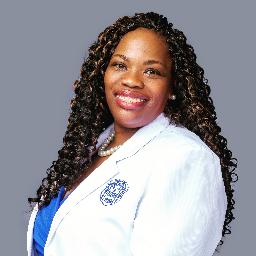
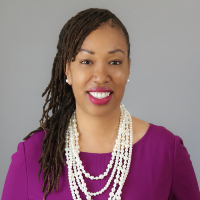
Patricia Greer
LCSW
North Carolina 20 years in practice
LCSW - Family and parenting support
- Stress, Anxiety
- Addictions
- Trauma and abuse
Family and parenting directory
195 therapists based in North Carolina list family or parenting among the things they work with. Sessions are online; a US therapist can usually only see people in a state where they hold a license, so check the license card on each profile.
Browse profiles listed in the North Carolina location to compare clinicians who note parenting and family relationships among their focuses. Review credentials, approaches, languages, and confirm on each profile whether the therapist has permission to work with you where you live.
LCSW
North Carolina 20 years in practice
LCSW - Family and parenting support
LCSW
North Carolina 3 years in practice
Licensed Clinical Social Worker - Family and stress concerns
LCSW, LISW-CP
North Carolina 10 years in practice
Licensed clinical social worker - Family and relationship concerns
LCSW
North Carolina 5 years in practice
LCSW - Stress and Parenting
LCSW
North Carolina 5 years in practice
LCSW - Stress and family concerns
LCMHC
North Carolina 12 years in practice
Licensed counselor - Family and parenting issues
LCMHC
North Carolina 13 years in practice
Licensed counselor - Family and parenting
LCMHC
North Carolina 51 years in practice
LCMHC in North Carolina - Relationships and Parenting
LCMHC
North Carolina 7 years in practice
LCMHC in North Carolina - Family and relationship concerns
LMFT
Iowa 20 years in practice English, Spanish
LMFT - Relationships and parenting support
LCMHC
North Carolina 5 years in practice
LCMHC counselor - Family and life concerns
LCSW
North Carolina 36 years in practice
LCSW - Stress and relationship concerns
North Carolina 14 years in practice
Licensed Clinical Social Worker - Family and Parenting
LPC, LCMHC
North Carolina 20 years in practice
Licensed counselor - Family and relationship focus
LCMHC
North Carolina 15 years in practice
Licensed Clinical Mental Health Counselor - Family and Parenting
LCMHC
North Carolina 5 years in practice
LCMHC - Relationships and Parenting
LCSW
North Carolina 7 years in practice
LCSW - Family and parenting focus
LCMHC
North Carolina 20 years in practice
North Carolina LCMHC - Family and relationship concerns
LPC, LCMHC
North Carolina 7 years in practice
Licensed counselor - Stress and parenting
LCSW
North Carolina 10 years in practice
Licensed clinical social worker - Relationships and Parenting
LCMHC
North Carolina 20 years in practice
Licensed counselor - Family and parenting focus
LCSW
North Carolina 3 years in practice
LCSW - trauma and parenting support
LCMHC
North Carolina 6 years in practice
LCMHC counselor - Family and parenting related concerns
LMFT
North Carolina 3 years in practice
LMFT in North Carolina - Family and relationship concerns
LCSW
North Carolina 20 years in practice
Licensed Clinical Social Worker - Family and parenting issues
LCSW
North Carolina 30 years in practice
Licensed Clinical Social Worker - Family and Parenting
LCSW
North Carolina 12 years in practice
Licensed Clinical Social Worker - family and stress support
LCSW
North Carolina 5 years in practice
Licensed Clinical Social Worker - Family and parenting
LCSW
North Carolina 35 years in practice
Licensed clinical social worker - Family and life changes
LMFT
North Carolina 4 years in practice
LMFT - Trauma and relationship concerns
LCMHC, LPCC
North Carolina 24 years in practice
LCMHC LPCC - Stress and Relationship Concerns
LCMHC
North Carolina 10 years in practice
Licensed counselor - Addictions and life changes
North Carolina 18 years in practice
LCSW - Family and parenting concerns
Illinois 4 years in practice
LCSW - Parenting and family concerns
LCSW
North Carolina 6 years in practice
Licensed Clinical Social Worker - Family and parenting concerns
LCMHC
North Carolina 15 years in practice
LCMHC - Relationship and family concerns
LCPC, LCMHC
North Carolina 20 years in practice
LCPC and LCMHC - Family and parenting concerns
LCMHC
North Carolina 4 years in practice
Licensed counselor - Family and parenting issues
LPC
North Carolina 10 years in practice
Licensed Professional Counselor - Family and parenting support
LCMHC
North Carolina 13 years in practice
Licensed counselor - Family and mood concerns
LCSW
North Carolina 40 years in practice
Licensed Clinical Social Worker - Relationships and Stress
LCMHC
North Carolina 3 years in practice
LCMHC in North Carolina - family and relationship concerns
LCMHC
North Carolina 6 years in practice
LCMHC - Relationships and Parenting
LCSW
North Carolina 20 years in practice
Licensed Clinical Social Worker - Family and parenting focus
LCSW
North Carolina 5 years in practice
Licensed Clinical Social Worker - Family and parenting concerns
LCSW
Virginia 15 years in practice
Licensed Clinical Social Worker - Family and Parenting Concerns
LCSW
North Carolina 30 years in practice
Licensed Clinical Social Worker - Family and parenting focus
LCMHC
North Carolina 9 years in practice
Licensed counselor - family and parenting topics
Some links on this page are partner links. We will earn a commission if you sign up through one, at no cost to you. It does not change what you pay or the order of the listings.
If you are searching for help with parenting stress, persistent family conflict, blended family transitions, struggles with adult children, or concerns about aging parents, a therapist who lists parenting and family relationships among their focuses can be a resource for individual support. You may be wanting clearer communication with a co-parent, tools to manage daily overwhelm, guidance for setting boundaries with an adult child, or coping strategies while navigating multigenerational caregiving. When you review profiles, look for language that matches the specific challenges you face rather than assuming a label guarantees expertise in every related issue.
Before you contact someone, think about the practical details you want to mention in an initial message. Briefly describe the age ranges involved, whether there are ongoing safety concerns, and whether you prefer in-person, video, or phone conversations. If anyone in the situation is dangerous to themselves or others, call 911 or your local emergency services immediately, or reach a crisis line. Profiles are a starting point for a conversation about how a clinician addresses the kinds of situations you bring.
Profiles are grouped under the listed location North Carolina, but that does not by itself indicate an office address, proximity to your home, or permission to provide services to you. Use each profile to confirm where the clinician is licensed to practice and whether they state they can work with people in your state and setting. Licensing and academic degrees are different pieces of information. Degrees such as PhD, PsyD, MD, MA, and MSW describe formal education. A degree alone does not demonstrate current permission to practice. Licenses or registrations such as LCSW, LPC, LMFT, or similar titles indicate the authorization to offer professional services in particular jurisdictions, and these are the items you should verify with the clinician or through a state licensing board.
When a profile lists a North Carolina location, ask directly whether the clinician is permitted to work with you in your location and in the format you prefer. If they offer remote work across state lines, check that their license covers your state. If the profile does not include that information, plan to ask it early in your communications so you understand whether moving forward is possible.
Approach and experience vary from clinician to clinician, and profiles will often list therapeutic approaches as aspects to discuss rather than proof of training. You might see profiles that note cognitive-behavioral approaches, attachment-informed work, psychodynamic influences, family-systems perspectives, or that list EMDR among their approaches. Use concrete questions that help you compare how a clinician thinks about parenting and family concerns. Ask how they typically work with someone facing co-parenting conflict, what they consider when supporting a parent of an adolescent, or how they support an adult who is navigating a difficult relationship with their parents.
Sample questions you can use or adapt include: Which populations do you most often work with in parenting and family relationship issues? Can you describe an approach you use when a parent is experiencing chronic stress? How do you help someone set boundaries with an adult child without escalating conflict? What does a typical session focus on during the first few weeks? These kinds of questions help you assess whether a clinician’s orientation and experience align with your needs, while keeping the conversation focused on practical fit rather than therapeutic promises.
If you are considering remote sessions, discuss logistical and legal details up front. Ask where the clinician is currently licensed and whether that license permits them to work with you in your state. Clarify the platforms used for video or phone conversations and what the clinician’s policies are regarding privacy practices, record keeping, and emergency planning. It is reasonable to ask how the clinician handles urgent concerns that arise between sessions and what steps they recommend if a crisis occurs in your area.
Also talk about practical matters that affect your experience. If you plan to join a session from your home, consider whether you have a quiet space for conversation and mention any limitations, such as intermittent childcare needs or noisy environments. If you anticipate needing written resources or worksheets, ask whether the clinician typically provides those materials. Clear upfront discussion about these topics reduces misunderstandings and helps you make an informed decision about whether to proceed with a particular clinician.
As you browse North Carolina profiles, compare clinicians on multiple dimensions to find a fit for your situation. Look for focus areas that match your concerns - for example parenting adolescents, parenting after separation, blended family dynamics, or caregiving for aging relatives - and note whether a clinician explicitly mentions working with individuals on those topics. Pay attention to language abilities listed on profiles if you prefer to work in a language other than English. Language compatibility can shape the depth and nuance of conversations about family relationships.
Examine how clinicians present their credentials and experience. Distinguish degrees from professional licenses and check whether a profile explains the clinician’s population focus and clinical interests. Read descriptions of therapeutic style to see whether a clinician emphasizes practical strategies, emotional processing, skills-building, or reflection. When you find several profiles that seem relevant, consider contacting each with concise questions about the specific issues most important to you. For example, you might ask how they approach co-parenting conversations that involve income or custody stress, how they support a parent managing anxiety about a child's behavioral needs, or how they help someone navigate renegotiating roles with aging parents.
Ultimately, profiles are a tool to start a conversation. Verify credentials, confirm permission to work together where you live, and use direct questions about approach and experience to find someone whose practice aligns with your needs. If at any time you believe someone is at risk of harm, contact 911 or local emergency services or reach a crisis line for immediate assistance.