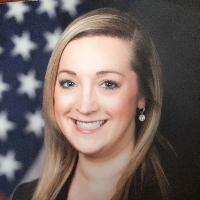
Ashley Taylor
LCSW
District of Columbia 10 years in practice
Licensed Clinical Social Worker - Family and relationship support
- Stress, Anxiety
- Relationship
- Self esteem
Family and parenting directory
22 therapists based in District of Columbia list family or parenting among the things they work with. Sessions are online; a US therapist can usually only see people in a state where they hold a license, so check the license card on each profile.
Compare profiles of therapists who list parenting and family relationships under the listed location District of Columbia. Browse individual profiles to review focus areas, professional credentials, languages and therapeutic approaches to find a potential match.
LCSW
District of Columbia 10 years in practice
Licensed Clinical Social Worker - Family and relationship support
LPC, LMFT
District of Columbia 25 years in practice
Licensed counselor - relationships and family
LICSW
District of Columbia 35 years in practice
LICSW in Washington, D.C. - Family and parenting concerns
LICSW
District of Columbia 5 years in practice
LICSW - Relationship and family concerns
LPC, LMFT
District of Columbia 35 years in practice
Licensed counselor and family-focused therapist
LICSW
District of Columbia 16 years in practice
LICSW - Relationship and family concerns
LICSW, LCSW
Florida 20 years in practice English, Spanish
LICSW LCSW - Addictions and Trauma
LICSW
District of Columbia 15 years in practice
LICSW - Relationship and family concerns
LPC
Missouri 14 years in practice
Licensed Professional Counselor - Family and parenting concerns
District of Columbia 20 years in practice
Dr. Deborah Harris-Sims, LPC - Relationships and Family
LCSW, LICSW
District of Columbia 4 years in practice
LCSW counselor - family and life concerns
LCSW-C, LICSW
District of Columbia 15 years in practice
LCSW-C clinician - Family and relationship concerns
LICSW
District of Columbia 4 years in practice
LICSW - Grief and family concerns
LICSW
District of Columbia 14 years in practice
LICSW - Family and parenting focus
LICSW, LCSW
District of Columbia 8 years in practice
Licensed social worker - Family and stress support
LICSW
District of Columbia 10 years in practice
LICSW - Family and parenting, stress
LICSW
District of Columbia 20 years in practice
LICSW in DC - Stress and Family concerns
LPC
District of Columbia 29 years in practice
Licensed Professional Counselor - Relationships and Parenting
LPC
Ohio 29 years in practice
Licensed Professional Counselor - Stress and Parenting
DC Psychologist
District of Columbia 35 years in practice
DC Psychologist focused on relationships and family
LPC
District of Columbia 11 years in practice
Licensed Professional Counselor - Family and stress concerns
LPC
District of Columbia 25 years in practice
LPC focused on family and life challenges
Some links on this page are partner links. We will earn a commission if you sign up through one, at no cost to you. It does not change what you pay or the order of the listings.
When you explore profiles grouped under the listed location District of Columbia, you are viewing individual clinician profiles who have indicated a connection to that place. That grouping does not guarantee an onsite office, a particular license, or that the clinician can legally work with you in your exact city or state. Each profile is a starting point for learning about who a therapist says they work with and the topics they list, such as parenting stress, managing adult-child relationships, blended family transitions, or caregiving for aging parents. Therapists on this site are listed because they note family or parenting among their specialties; that is not evidence of specialist certification or of offering a specific service model.
If anyone in your household, including a child or adult, is at immediate risk of harm, call local emergency services or your local crisis line right away. For other concerns, use the profiles to gather information, then contact a clinician directly to confirm that they have permission to work together where you live and that their current scope of practice fits your needs.
Academic credentials and professional licenses serve different purposes and you should pay attention to both when reviewing a profile. Degrees such as PhD, PsyD, MD, MA or MSW indicate the clinician's academic training and area of study. Licenses or registrations - for example state-issued professional credentials - indicate whether a clinician is authorized to practice independently in a given jurisdiction. A degree alone does not establish legal permission to provide care where you live. When you read a profile, note the degree and any license abbreviations the clinician lists, and ask the clinician directly about their current licensure, registration, or authorization to practice in the District of Columbia or in your state if you are seeking remote care.
Licensure rules vary across states and territories, and some clinicians list multiple credentials or degrees earned in other places. You can ask a clinician to describe the distinction between their academic training and the license that allows them to see clients. It is reasonable to request a clear explanation of their professional title, the state or jurisdiction that issued their license, and whether that license covers the services you want. Confirming these details helps you understand both training background and legal permission to work together where you live.
Profiles often list therapeutic approaches and areas of focus, but those listings are not proof of specialized certification. Use the profile language to guide specific questions you can ask a clinician. You might ask how they typically work with individuals dealing with parenting stress, what types of issues they see most often, and how they measure whether a particular approach is helping you meet your goals. If a profile notes approaches such as cognitive behavioral techniques, family systems ideas, trauma-informed care, or therapists who list EMDR among their approaches, ask how that approach would be adapted to address parenting-related concerns and what a typical conversation might look like in early sessions.
Be explicit about the population you are concerned about. If you are seeking support for parenting an adolescent, coping with a newly blended family, or managing caregiver strain with an aging parent, ask the clinician about their relevant experience. Request examples of topics they commonly address, the kinds of homework or coping strategies they might recommend, and how they pair their clinical orientation with your preferences. Asking for concrete descriptions - how they handle communication with schools, whether they focus on behavior strategies or emotional regulation, or how they support parents managing stress - will give you a clearer sense of fit than a list of theoretical approaches alone.
If you are considering online sessions, include questions about jurisdiction, technology, and privacy protections in your initial conversation. Ask whether the clinician has permission to provide care to someone living in the District of Columbia or in your current state, since telehealth rules differ by location. Clarify how they handle the technical side of remote care - the platform they use, what happens if a connection drops, and whether they will send session materials by email. It is appropriate to ask how they address emergencies or safety concerns when working remotely, and what steps they request you to take if an urgent situation arises during a session.
Privacy is an important topic to cover without assuming a particular setup. Ask how the clinician manages records, how they notify you about their privacy practices, and whether they can communicate by phone or text for scheduling or brief check-ins. If you share a home with others, discuss what kind of physical space you will need for your sessions so you can speak openly. Confirming these logistical and jurisdictional details before you begin helps you set clear expectations about what remote care will involve in practical terms.
When you compare profiles, look beyond a single phrase and consider how multiple profile elements fit together. Read how a clinician describes their focus areas in paragraph form: do they emphasize parenting skills, managing family conflict, supporting transitions like divorce or remarriage, or navigating relationships with adult children? Note the languages listed on profiles if you prefer to work in a language other than English, and ask how language is used in sessions - for example whether they conduct the full session in another language or use it selectively to clarify meaning.
Consider questions about therapeutic style that go beyond approach names. Ask a clinician to describe how they structure sessions - whether they tend to be directive and skills-oriented, reflective and exploratory, or a mix - and how they adapt their style to match a client's goals. Request examples of how they have supported parents through a typical challenge, such as setting boundaries with teenagers or managing feelings after a family transition. Finally, confirm that the clinician is willing to discuss scope of practice and permission to work together where you live, so you can make an informed choice based on both professional profile and practical constraints.
Using profiles as a comparison tool will help you identify clinicians to contact and discuss specific needs. Remember to verify credentials and permission to practice in your location, describe the issues you want to address, and ask concrete questions about approach and logistics before deciding to move forward.