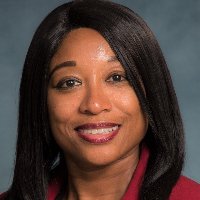
Brianna Brown
LMFT
Georgia 7 years in practice
LMFT - Family and parenting focus
- Stress, Anxiety
- Relationship
- Intimacy-related issues
Family and parenting directory
184 therapists based in Georgia list family or parenting among the things they work with. Sessions are online; a US therapist can usually only see people in a state where they hold a license, so check the license card on each profile.
Browse profiles of therapists listed in Georgia who indicate family relationships and parenting among their specialties. You can compare focus areas, professional degrees, languages, and approaches, then check each profile to confirm the individual's license and permission to work with you where you live.
LMFT
Georgia 7 years in practice
LMFT - Family and parenting focus
LPC
Georgia 6 years in practice English, Spanish
Licensed Professional Counselor - Family and Parenting
Georgia 10 years in practice
Licensed Professional Counselor - Family and Parenting
Georgia 8 years in practice
Licensed Professional Counselor - Family and parenting concerns
LPC
Georgia 42 years in practice
Licensed Professional Counselor - Relationships and Family Issues
LPC
Georgia 14 years in practice
Licensed Professional Counselor - Family and parenting concerns
LICSW, LCSW, CSW
Georgia 7 years in practice
Licensed clinical social worker - family and parenting focus
LPC
Georgia 25 years in practice
Licensed Professional Counselor - Family and parenting issues
Georgia 18 years in practice
Licensed Professional Counselor - Family and parenting concerns
LCSW, CSW
Georgia 4 years in practice
Licensed Clinical Social Worker - Stress and Family concerns
LPC
Georgia 18 years in practice
Licensed Professional Counselor - Family and parenting focus
LPC
Georgia 11 years in practice
Licensed Professional Counselor - Family and trauma concerns
LPC, LMHC
Georgia 12 years in practice
Licensed counselor - Family and parenting related concerns
LPC
Georgia 4 years in practice
LPC in Georgia - Family and parenting focus
Georgia 4 years in practice
Licensed counselor - family and life concerns
Georgia 15 years in practice
Licensed Professional Counselor - Stress and family concerns
LPC
Georgia 6 years in practice
LPC counselor - family and relationship concerns
Georgia 9 years in practice
Dr. Lynda Cokuslu, LPC - Family and parenting concerns
LMFT
Georgia 7 years in practice
Licensed Marriage and Family Therapist - Relationships and mood
LPC
Georgia 11 years in practice
Licensed Professional Counselor - Family and parenting focus
LPC
Georgia 8 years in practice
Licensed Professional Counselor - Stress and Parenting
LCSW, CSW
Georgia 36 years in practice
LCSW - Family and relationship concerns
LMFT
Georgia 20 years in practice
LMFT - Stress and relationship concerns
LPC
Georgia 10 years in practice
Licensed Professional Counselor - Family and Stress
Georgia 9 years in practice
Licensed Professional Counselor - Family and Parenting Focus
LPC
Georgia 14 years in practice
Licensed counselor - family and parenting concerns
LCSW, CSW
Georgia 24 years in practice
LCSW in Georgia - Relationship and Family support
LCSW, CSW
Georgia 18 years in practice
LCSW counselor - Stress and parenting support
LPC
Georgia 14 years in practice
Licensed Professional Counselor - Family and parenting focus
Georgia 12 years in practice
Licensed Professional Counselor - Family and parenting
Georgia 14 years in practice
Licensed Professional Counselor - Family and parenting concerns
LPC
Georgia 18 years in practice
Licensed Professional Counselor - Relationship and Family
LPC
Georgia 5 years in practice
Licensed Professional Counselor - Family and Parenting Focus
LISW, LCSW, CSW
Ohio 7 years in practice
Licensed social worker - family and parenting concerns
Georgia 37 years in practice
Licensed Professional Counselor - Family and relationship support
LPC
Georgia 9 years in practice
LPC counselor - family and life transitions
LCSW, CSW
Georgia 7 years in practice
Licensed Clinical Social Worker - Family and Parenting
LCSW, CSW, LICSW
Georgia 7 years in practice
Licensed Clinical Social Worker - Family and Parenting
LCSW, CSW
Georgia 30 years in practice
Licensed Clinical Social Worker - Family and parenting support
LCSW, CSW
Georgia 5 years in practice
Licensed Clinical Social Worker - Family and parenting
LPC
Georgia 33 years in practice
Licensed counselor - Family and parenting focus
LPC
Georgia 18 years in practice
Licensed Professional Counselor - Family and Parenting
LPC
Georgia 9 years in practice
Licensed Professional Counselor - Family, Parenting
Georgia 25 years in practice
Licensed Professional Counselor - Family and relationship concerns
LPC
Georgia 28 years in practice
Licensed Professional Counselor - Family and parenting
Georgia 10 years in practice
Licensed Professional Counselor - Family and relationship support
LPC
Georgia 16 years in practice
Licensed Professional Counselor - Stress and Parenting
LPC
Georgia 18 years in practice
Licensed Professional Counselor - Family and parenting concerns
Some links on this page are partner links. We will earn a commission if you sign up through one, at no cost to you. It does not change what you pay or the order of the listings.
When family stress, parenting challenges, or intergenerational conflict feel heavy, finding a professional to talk with can help you sort practical options and emotional responses. On this page you will see profiles of individuals listed in Georgia who identify family relationships and parenting as areas they work with. Keep in mind these listings connect you with clinicians who help individuals with parenting and family concerns; a listing does not by itself promise that someone runs couple or family sessions unless that is specifically stated on the profile. If you or a child is in immediate danger, call 911 or your local emergency number rather than relying on an online search. For non-urgent concerns, use the profiles to narrow who you might contact to discuss your particular situation, whether you are coping with teen behavior issues, parenting a child with special needs, managing stress in blended families, navigating adult-child caregiving, or addressing family patterns that affect your own wellbeing.
Profiles on this site are grouped by the listed location Georgia, which helps you find clinicians who indicate a geographic connection to the state. Listed location does not guarantee physical proximity, an office address, or that a clinician is authorized to work with you in every part of the state. It is important to review each profile and explicitly confirm the person’s license and their permission to practice with you where you live. Academic degrees shown on profiles - such as PhD, PsyD, MD, MA, or MSW - reflect educational credentials but are not the same thing as a professional license. Licenses or registrations are typically represented by different abbreviations and imply an authorization to practice that varies by state. When you review a profile, look for clear information about the license type and then ask the clinician to confirm that their license is current and that they may legally provide care to you in your jurisdiction.
It helps to be specific when you contact a clinician so you can quickly determine whether they are a fit for your needs. Concrete questions you might raise include asking whether they work primarily with parents, with adult children who are navigating parent relationships, or with people managing caregiving for aging relatives. Ask which age ranges they commonly treat and whether they have experience with blended families, adoption-related issues, or co-parenting after separation. When discussing therapeutic approaches, keep in mind a profile may list several methods or preferences; you can ask whether they commonly use cognitive-behavioral strategies, solution-focused techniques, attachment-informed perspectives, or therapists who list EMDR among their approaches. Phrase questions to learn how those approaches might be applied to your concerns - for example, ‘‘How would you approach parenting stress related to a teenager’s school refusal?’’ - rather than assuming a method guarantees a particular outcome. Also request clarification about whether they work with individuals only or also offer sessions involving other family members, because a profile that lists parenting or family topics does not automatically mean they provide conjoint sessions.
If you are considering remote care, start by confirming that the clinician is permitted to provide services to people located where you will be during sessions. Licensing rules differ by state, and some clinicians may be authorized to work with clients across state lines while others are not. Ask how they manage emergencies when a client is not in the same locality, and whether they require you to have a plan that identifies local emergency resources. Discuss practical details such as preferred technology platforms, what to do in case of a dropped connection, and how you can reschedule if needed. You should also ask about privacy practices for electronic communication and how they handle records and notes, using terms like personal information and safe setting protections rather than assuming particular safeguards. If you have concerns about language or cultural background, inquire about language fluency and experience with communities or family structures like multigenerational households or immigrant families. These conversations will help you understand whether a clinician’s online practice can meet your needs while respecting legal and practical boundaries.
When you compare profiles, focus on details that matter to your situation. Read the summary paragraphs to see whether a clinician emphasizes parenting stress, adolescent behavior, caregiving for older adults, or patterns that affect adult children. Note languages spoken on profiles if language match or cultural familiarity matters to you. Pay attention to the mix of academic degrees and any listed professional licenses, and remember that a degree like an MSW or MA is not a substitute for a current state license. Consider asking each clinician how they describe their therapeutic style - whether they tend to take a more directive problem-solving approach, a reflective exploration of family history, or a skills-based coaching stance - and how they measure progress in ways that feel meaningful to you. Good comparison questions include asking for examples of typical goals they work on with parents, how they involve the parent’s context such as school or medical providers, and what kind of homework or practical steps they recommend between meetings. You can also ask how they adapt their approach for high-stress periods like custody transitions or medical crises, and what outcomes past clients have reported in general terms, while keeping in mind that past experience does not promise specific results for you.
After you narrow a few profiles, prepare a short summary of your primary concerns and practical constraints - for example, preferred language, need for evening calls, or whether you require care focused only on your role as an individual parent. When you reach out, ask the clinician to confirm their license and permission to work with you where you live, describe how they typically work with individual clients on parenting and family issues, and explain what to expect for an initial conversation. If your situation involves immediate safety concerns, prioritize contacting emergency services or local crisis resources. Use the information on profiles to start conversations and decide who you want to speak with further. Taking these steps will help you make an informed choice about who to contact for support with parenting and family relationship concerns in Georgia.