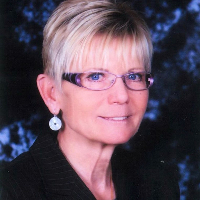
Jennie Nelson
LPC
Idaho 4 years in practice
Licensed Professional Counselor - Family and parenting concerns
- Stress, Anxiety
- Trauma and abuse
- Depression
Family and parenting directory
32 therapists based in Idaho list family or parenting among the things they work with. Sessions are online; a US therapist can usually only see people in a state where they hold a license, so check the license card on each profile.
Browse profiles of therapists listed in Idaho who note family relationships and parenting among their specialties. Compare focus areas, approaches, credentials, languages, and practice style to narrow your options. Check each therapist's profile and confirm they have permission to work with you where you live before reaching out.
LPC
Idaho 4 years in practice
Licensed Professional Counselor - Family and parenting concerns
LCSW
Idaho 37 years in practice
Licensed Clinical Social Worker - Family and parenting concerns
LCSW
Idaho 27 years in practice
LCSW - Family and parenting concerns
LMFT
Idaho 30 years in practice
LMFT in Idaho - Family and relationship focus
LCSW
Utah 18 years in practice
Licensed Clinical Social Worker - Family and parenting issues
LPC
Idaho 15 years in practice
LPC - Family and parenting focus
LPC
Idaho 3 years in practice
LPC counselor - stress and family concerns
LCPC
Idaho 19 years in practice
Licensed Clinical Professional Counselor - Mood and trauma concerns
Idaho 12 years in practice
LPC - family and parenting support
LCPC
Idaho 11 years in practice
Licensed Clinical Professional Counselor - Family and parenting
LPC
Oregon 16 years in practice
Licensed Professional Counselor - Family and parenting concerns
LCPC
Idaho 6 years in practice
Licensed Clinical Professional Counselor - Family and relationships
LPC
Idaho 7 years in practice
Licensed Professional Counselor - Family and parenting focus
LPC
Idaho 6 years in practice
Licensed Professional Counselor - Family and parenting focus
LCPC
Idaho 29 years in practice
LCPC in Idaho - Family and relationship support
LCSW, LICSW
Idaho 25 years in practice
Licensed Clinical Social Worker - Family and relationship issues
LPC
Idaho 4 years in practice
Licensed Professional Counselor - Stress and Addictions
LPC
Idaho 8 years in practice
Licensed Professional Counselor - Family and Parenting
LCSW
Idaho 7 years in practice
LCSW - Stress and family concerns
LCSW
Idaho 17 years in practice
Licensed Clinical Social Worker - Family and parenting support
LCSW
Oregon 13 years in practice
LCSW - Family and mood concerns
Idaho 4 years in practice
Licensed Professional Counselor - Family and grief
LPC
Idaho 10 years in practice English, French
Licensed Professional Counselor - Parenting and family
LMHC, LCPC
Washington 20 years in practice
LMHC and LCPC - Addictions and Parenting
LPC
Idaho 5 years in practice
Licensed counselor - parenting and anxiety
LCSW
California 25 years in practice
LCSW - Family and parenting support
LCSW
Idaho 9 years in practice
LCSW - Family and parenting focused
LCSW
Idaho 11 years in practice
Licensed Clinical Social Worker - Family and relationship concerns
Idaho 4 years in practice
LCSW - Stress and family concerns
California 38 years in practice
LMFT - relationships and family concerns
LMFT
Idaho 13 years in practice
LMFT - Family and parenting focus
LPC
Idaho 3 years in practice
LPC - Stress and family concerns
Some links on this page are partner links. We will earn a commission if you sign up through one, at no cost to you. It does not change what you pay or the order of the listings.
When you begin looking for a therapist who notes parenting or family relationships as a specialty, you are likely responding to stressors that affect daily life. You might be dealing with sleep and behavior questions about a young child, repeated conflict with an adolescent, stress from co-parenting after separation, the complexities of blending two households, tension with adult children, or new responsibilities related to aging parents. Many people seek help when day-to-day routines are disrupted or when communication patterns leave them feeling stuck. Therapists listed on this page generally work with individuals who bring those family and parenting concerns, so your conversations should focus on personal goals and what you hope to address.
If you think any child or adult is in immediate danger, call local emergency services, 911, or the appropriate crisis line right away. This directory is for informational purposes and does not replace urgent care or emergency support.
The fact that a therapist appears under the Idaho listing reflects a listed location in their profile, not a guarantee of an office or of current licensure status in Idaho. You should use each profile as a starting point to learn what a clinician highlights about their work and where they indicate they practice. Licenses and academic degrees are distinct. Degrees like PhD, PsyD, MD, MA, or MSW describe academic achievement. Licenses or registrations indicate permission to practice in a jurisdiction and are typically noted separately on a clinician's profile. Examples of common license designations you may see include state-issued credentials such as LCSW, LMFT, LPC, or similar abbreviations. A degree alone does not confirm current permission to provide care where you live, so it is important to confirm licensing and current authorization to work with you in Idaho or another state before starting services.
When you review profiles, prepare concrete questions that will help you understand how a clinician works and whether their experience aligns with your needs. You might ask whether they have worked with parents at a similar stage - for example, new parent adjustment, single parenting, or parenting teens - and what kinds of concerns they most commonly help individuals address. Ask about specific areas such as discipline strategies, managing burnout, communicating about boundaries with extended family, or navigating divisive issues between co-parents. If cultural background, religion, gender identity, or language are important to you, ask how they incorporate cultural context into their work and whether they speak your preferred language. When modalities come up on a profile, phrase questions so they are exploratory, for example asking about how a clinician integrates techniques and what a typical session might focus on. You can also ask about their experience supporting people through big transitions, such as moving, divorce, or caregiving for aging relatives. These questions help you compare profiles on substance rather than labels and make it easier to identify who you want to contact for an introductory conversation.
If you are considering therapy offered at a distance, discuss several practical and ethical points ahead of time. First, confirm that the therapist has permission to provide services in the place where you will be physically located during sessions. Licensing rules vary by state and affect whether someone can work with you across state lines. Next, talk about how they handle emergency situations and what local resources they recommend if a crisis arises where you live. Ask about technology needs and preferences, including what platform they use and any limitations for video or audio-only sessions. Privacy is often a concern, so discuss where you will take sessions and steps to protect your own space and attention. Clarify session length, how they structure time to focus on parenting or family-related goals, and expectations for any between-session work. Finally, talk about the scope of their practice. A listed topic such as parenting or family relationships does not necessarily mean the clinician treats children, runs family therapy, or provides couples sessions. If you want support that includes a child or more than one family member, raise that directly and ask whether they work with individuals on parenting issues or with multiple family members together.
Profiles often include a mix of descriptors that can help you decide who to contact. Focus areas outline the typical themes a clinician chooses to highlight, such as parenting stress, adolescent behavior, or caregiving for older adults. Look for specificity in those descriptions to see whether the profile addresses circumstances similar to yours. Language options listed on a profile can be especially important if you prefer to speak in a non-English language or in the language of your cultural community. Credentials and degrees tell part of the story but always read them with the licensing note in mind - a degree indicates training, while a license indicates permission to practice in a jurisdiction. Approaches and modalities are often listed as well; treat these as conversation starters. For instance, you may see clinicians who list EMDR among their approaches or who note narrative, cognitive, or attachment-oriented work. That wording indicates what they mention using, not an assurance of certification or uniform practice. Therapeutic style is another differentiator. Some clinicians describe a directive, skills-based approach that focuses on problem-solving and concrete parenting strategies. Others describe a reflective style that emphasizes exploring underlying patterns in relationships. Think about whether you prefer more practical guidance or a deeper exploration of beliefs and emotions, and prioritize profiles that mention a style that resonates with you.
As you compare, remember to check each therapist's profile for the most current contact method and to confirm they have permission to work with you where you live. Profiles are an entry point to informed conversations, not definitive statements about a clinician's scope or licensing. Use the information on the page to identify a few profiles that seem like a good fit, then reach out to ask the specific questions that matter most to your situation.