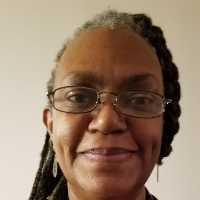
James Harris
LCPC
Maryland 4 years in practice
Licensed Clinical Professional Counselor - Family and career concerns
- Stress, Anxiety
- Relationship
- Self esteem
Family and parenting directory
78 therapists based in Maryland list family or parenting among the things they work with. Sessions are online; a US therapist can usually only see people in a state where they hold a license, so check the license card on each profile.
Use this Maryland page to compare therapists who list parenting and family relationships among their focuses. Browse profiles to review focus areas, therapeutic approaches, credentials, languages and relevant experience.
A listed location on a profile is not proof of an office or permission to practice where you live; check each profile and confirm a therapist's permission to work with you in your area before beginning contact.
LCPC
Maryland 4 years in practice
Licensed Clinical Professional Counselor - Family and career concerns
LCSW-C, LICSW
Maryland 46 years in practice
LCSW-C in Maryland - stress and mood support
LCPC
Maryland 6 years in practice
LCPC counselor - Family and parenting concerns
LCPC
Maryland 8 years in practice
LCPC in Maryland - Family and parenting focus
LCSW-C
Maryland 20 years in practice
LCSW-C in Maryland - Family and relationship support
LCSW-C, LCSW
Maryland 3 years in practice
Licensed Clinical Social Worker - Family and parenting focus
LCSW-C
Maryland 10 years in practice
Licensed Clinical Social Worker - Family and relationships
LCSW-C
Maryland 3 years in practice
LCSW-C in Maryland - mood and family concerns
LCPC
Maryland 11 years in practice
Licensed Clinical Professional Counselor - Family, Addictions
LICSW, LCSW-C
District of Columbia 20 years in practice
Licensed social worker - Family and parenting
LCSW-C
Maryland 5 years in practice
LCSW-C in Maryland - Family and caregiver support
LCPC
Maryland 25 years in practice
Licensed Clinical Professional Counselor - Family and parenting
LCPC
Maryland 15 years in practice
LCPC in Maryland - Family and parenting concerns
LCPC
Maryland 9 years in practice
LCPC in Maryland - Stress and Parenting
LCSW-C
Maryland 40 years in practice
Licensed Certified Social Worker - Family and relationships
LICSW, LCSW-C
Maryland 14 years in practice
LCSW-C in Maryland - Family and Parenting focus
LCPC
Maryland 25 years in practice
LCPC in Maryland - Family and parenting concerns
LMFT, LCMFT
District of Columbia 30 years in practice
Licensed marriage and family therapist - family and parenting concerns
LCPC
Maryland 6 years in practice
LCPC in Maryland - family and relationship support
LCPC
Maryland 40 years in practice
Licensed Clinical Professional Counselor - Stress and family concerns
LCSW-C
Maryland 10 years in practice
Licensed Clinical Social Worker - stress and family concerns
LCPC
Maryland 11 years in practice
LCPC in Maryland - Family and parenting focus
LCPC, LPC
Tennessee 15 years in practice
LCPC, LPC - Relationship and Parenting
Psychologist
Maryland 20 years in practice
Psychologist - Family and parenting focus
LCSW-C
Maryland 30 years in practice
Licensed Certified Social Worker - Family and parenting focus
LCSW-C
Maryland 12 years in practice
LCSW-C in Maryland - Stress and Parenting
LCSW-C
Maryland 6 years in practice
LCSW-C - Family and stress concerns
LICSW, LCSW-C
Maryland 5 years in practice
Licensed social worker - Family and stress support
LCPC
Maryland 4 years in practice
Licensed Clinical Professional Counselor - Stress and Family concerns
LCSW-C
Maryland 24 years in practice
LCSW-C in Maryland - family and relationship support
LSCSW
Maryland 25 years in practice
Licensed social worker - Relationships and family
LCSW-C
Maryland 33 years in practice
Licensed Clinical Social Worker - Family and Parenting
LCPC
Maryland 4 years in practice
Licensed counselor - relationships and self-esteem
LMFT
Maryland 16 years in practice
LMFT - Relationships and Family Concerns
LCPC
Maryland 17 years in practice
LCPC in Maryland - Family and parenting concerns
LCPC
Maryland 30 years in practice
LCPC in Maryland - Family and relationship concerns
LCPC
Maryland 24 years in practice
Licensed Clinical Professional Counselor - Family and coaching
LCPC
Maryland 21 years in practice English, Mandarin
Licensed counselor - family and parenting concerns
LCPC
Maryland 12 years in practice
LCPC in Maryland - Family and stress support
LCSW-C, LICSW
District of Columbia 8 years in practice
LCSW-C and LICSW - Family and parenting focus
LCPC
Maryland 3 years in practice
Licensed Clinical Professional Counselor - Stress and Family concerns
LCSW-C
Maryland 13 years in practice
LCSW-C in Maryland - family and parenting focus
Maryland 8 years in practice
Licensed counselor - Family and parenting concerns
LCSW-C, LICSW
District of Columbia 4 years in practice
Licensed social worker - Family and trauma
LCSW-C
Maryland 13 years in practice
LCSW-C in Maryland - stress and parenting support
LCPC, LPC
Maryland 19 years in practice
Licensed counselor - Family and relationship support
LCSW-C
Maryland 10 years in practice
Licensed LCSW-C - Family and relationship concerns
LCPC
Maryland 10 years in practice English, Japanese
LCPC in Maryland - Family and parenting focus
Some links on this page are partner links. We will earn a commission if you sign up through one, at no cost to you. It does not change what you pay or the order of the listings.
When you begin looking for a therapist in Maryland around parenting and family relationships, it helps to be specific about the challenges you want to address. You might be dealing with parenting stress, discipline struggles, transitions after separation, blended family dynamics, conflict with adult children, or care coordination for aging parents. Clarifying whether you want help with day-to-day strategies, coping with grief and loss, managing intergenerational conflict, or improving your own stress responses will make it easier to compare profiles and pick questions to ask.
Keep in mind that the therapists listed on this directory offer support to individuals who bring family or parenting concerns. A profile that lists a topic does not guarantee that a therapist offers couples or family sessions unless they state that explicitly. If you are worried a child or adult is unsafe, call emergency services or your local crisis line right away. Otherwise, consider what outcomes feel realistic to you and look for profiles that describe experience or focus areas aligned with those goals.
A listed location on a profile groups clinicians by the state where they note a presence, but it is not by itself evidence of an office address or of current permission to practice in that place. Profiles may include contact details or practice notes, but you should confirm important details directly with the clinician. Licensing rules vary by state, and whether a therapist can work with you may depend on where you live and whether they hold the appropriate registration or license for that jurisdiction.
Recognize the difference between academic degrees and licenses. Degrees such as PhD, PsyD, MD, MA, and MSW indicate educational attainment. They do not by themselves establish current permission to practice in a particular state. Licenses or registrations are the credentials that typically govern clinical practice; profiles may mention those, but you should verify the license type and its current status through the clinician or the appropriate state board. Asking about both degree and licensure helps you understand a clinician's background and the legal context for providing care where you live.
When you reach out to a clinician, having a set of concrete questions can move the conversation from generalities to specifics. Ask how they typically work with adults who are managing parenting stress or complex family dynamics. For example, you might ask how they support a parent coping with behavioral concerns in a school-aged child, or how they approach helping someone rebuild trust after a separation. If you are part of a blended family, ask about experience helping adults adjust to step-parenting roles and boundary setting.
Discuss therapeutic approaches by name and ask what those approaches look like in practice. You can ask whether a therapist uses cognitive-behavioral techniques, attachment-informed perspectives, emotion-focused work, trauma-informed practices, or play-based strategies, phrasing each as an area the therapist may list. Remember that a profile noting an approach is not proof of formal certification; frame questions to learn how the therapist applies that approach in individual work and how it might fit your goals. Also inquire about experience with specific populations, cultural backgrounds, or languages that matter to you.
If you are considering remote sessions from Maryland or another state, talk explicitly about the clinician's authorization to provide care in your location. Licensing rules about interstate services can be complex, and a clinician who lists Maryland as a location may or may not be able to offer online care to residents of every locality. Ask whether they have permission to work with clients where you are and what the process is for confirming that permission.
Before beginning online care, cover practical matters such as how you will handle emergencies, what to do if technology fails, and how appointments will be scheduled and documented. Ask where the therapist will expect you to be physically located during a session, since some professionals require that you be present in a specific state or county to comply with regulations. If information-sharing boundaries protections and data handling are a concern, ask how the clinician protects session information and what steps you should take at home to create a comfortable environment for sessions. If a child or adult is in immediate danger, call emergency services or your local crisis line immediately rather than waiting for an online appointment.
Comparing profiles effectively means looking beyond a single line that lists a focus area. Read the profile text for descriptions of the kinds of parenting or family issues the clinician emphasizes and note whether they describe working with specific age ranges, life stages, or cultural communities. Pay attention to language skills listed on the profile if you prefer a therapist who speaks your first language. Profiles sometimes describe training settings and populations worked with; when that information is present it can help you determine fit, but always follow up to confirm details.
Compare credentials carefully by separating educational degrees from licenses and registrations. A clinician may list a PhD or MSW alongside a state license; ask which license they hold, in which states it is active, and whether it allows them to conduct sessions with you in Maryland. Consider stylistic cues in profiles - some clinicians describe a direct, solution-focused approach, while others emphasize reflection, insight, or skills practice. If style matters to you, ask how they structure sessions, whether they provide homework or practical tools, and how they measure progress toward the goals you set together. Remember that a profile's inclusion of a topic does not guarantee a therapist treats children or runs family or couples sessions, so raise those subjects early in a conversation to confirm scope and fit.
As you review profiles on this page, compile the specific questions that reflect your situation and priorities. Reach out to clinicians whose profiles resonate and use your initial conversation to confirm professional standing, permission to work with you where you live, approach, and the practical arrangements that matter to you. Being clear about your goals and asking pointed questions will help you decide which profiles merit a deeper conversation. If an emergency arises or someone is at risk of harm, contact emergency services or a crisis line immediately rather than waiting to connect with a therapist.