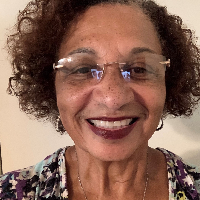
Linda Brown
LPC
Mississippi 15 years in practice
Licensed Professional Counselor - Family and parenting focus
- Stress, Anxiety
- Grief
- Depression
Family and parenting directory
58 therapists based in Mississippi list family or parenting among the things they work with. Sessions are online; a US therapist can usually only see people in a state where they hold a license, so check the license card on each profile.
Browse profiles of clinicians listed in Mississippi who indicate family relationships or parenting among their specialties. On each profile you can compare focus areas, academic degrees, professional credentials, languages and therapeutic approaches. Before reaching out, check the individual profile and confirm that the clinician has permission to work with you where you live.
LPC
Mississippi 15 years in practice
Licensed Professional Counselor - Family and parenting focus
LCSW
Mississippi 20 years in practice
Licensed Clinical Social Worker - Relationships and Family
LPC
Mississippi 9 years in practice
Licensed Professional Counselor - Family and relationship concerns
LPC
Mississippi 10 years in practice
Licensed Professional Counselor - Family and relationship concerns
LPC
Mississippi 6 years in practice
LPC counselor - family and stress concerns
LCSW
Mississippi 15 years in practice
Rev. Laura Gillom - LCSW, Family and relationship concerns
LCSW
Mississippi 9 years in practice
LCSW supporting parents and adults
Mississippi 15 years in practice
LPC in Mississippi - Stress and Parenting
LPC
Louisiana 7 years in practice
Licensed Professional Counselor - Family and parenting concerns
Mississippi 51 years in practice
Licensed Clinical Social Worker - Family and parenting support
LPC
Mississippi 15 years in practice
Licensed Professional Counselor - Family and parenting issues
Mississippi 16 years in practice
Licensed professional counselor - Stress and parenting
LPC
Mississippi 20 years in practice
Licensed Professional Counselor - family and life concerns
LPCC
Mississippi 7 years in practice
Licensed Professional Clinical Counselor - Family and parenting focus
Mississippi 25 years in practice
LMFT - Family and life changes
LICSW, LCSW
Mississippi 17 years in practice
LICSW LCSW - Relationship and family support
LCSW
Mississippi 8 years in practice
Licensed Clinical Social Worker - Family and stress concerns
Mississippi 11 years in practice
Licensed Professional Counselor - Family and relationship focus
LCSW
Mississippi 21 years in practice
Licensed Clinical Social Worker - Family and parenting concerns
LCSW
Mississippi 4 years in practice
Licensed Clinical Social Worker - Family and parenting concerns
LPC
Mississippi 13 years in practice
Licensed Professional Counselor - Relationships and Parenting
LCSW
Tennessee 5 years in practice
Licensed Clinical Social Worker - Family and relationship support
MS Psychologist 49
Mississippi 13 years in practice
MS Psychologist - Parenting and Stress
LPC
Mississippi 10 years in practice
Licensed Professional Counselor - Family and parenting
LCSW
Mississippi 3 years in practice
Licensed Clinical Social Worker - Family and relationship focus
LPC
Mississippi 3 years in practice
Licensed Professional Counselor - Family and stress concerns
Mississippi 16 years in practice
Licensed Professional Counselor - Family and Parenting concerns
LCSW
Mississippi 12 years in practice
Licensed Clinical Social Worker - Family and grief
LPC
Mississippi 3 years in practice
Licensed Professional Counselor - Family and Parenting issues
LPC
Mississippi 8 years in practice
Licensed Professional Counselor - Stress and Parenting
LPC
Louisiana 7 years in practice
Licensed Professional Counselor - Family and parenting
Mississippi 8 years in practice
Licensed Professional Counselor - Addictions and Family issues
MS Psychologist 59
Mississippi 12 years in practice
MS Psychologist - Stress and relationships
Mississippi 40 years in practice
MS LPC - Stress and Relationship Support
LPC
Mississippi 25 years in practice
Licensed Professional Counselor - Family and parenting concerns
LPC
Mississippi 10 years in practice
Licensed Professional Counselor - Family and parenting concerns
LCSW
Mississippi 8 years in practice
Licensed Clinical Social Worker - Relationships and Parenting
LPC
Mississippi 5 years in practice
Licensed Professional Counselor - Family and stress support
Mississippi 14 years in practice
Licensed Professional Counselor - Parenting and relationships
Mississippi 8 years in practice
Licensed Professional Counselor - Family and parenting
LPC
Mississippi 30 years in practice
Licensed Professional Counselor - Relationship and Family concerns
LCSW
Mississippi 7 years in practice
Licensed Clinical Social Worker - Family and parenting concerns
LPC
Mississippi 17 years in practice
Licensed Professional Counselor - Family and parenting focus
LPC
Mississippi 21 years in practice
Licensed Professional Counselor - Family and Parenting
LPC
Mississippi 8 years in practice
LPC counselor - Stress and relationship support
LCSW
Mississippi 13 years in practice
Licensed Clinical Social Worker - Family and relationship support
LCSW
Mississippi 16 years in practice
LCSW - Family and parenting concerns
LPC
Mississippi 32 years in practice
LPC counselor - family and parenting concerns
Some links on this page are partner links. We will earn a commission if you sign up through one, at no cost to you. It does not change what you pay or the order of the listings.
When you are managing parenting stress, tensions with adult children, blended-family transitions, or care for aging relatives, it can be hard to know where to begin. Many people come to therapy wanting strategies for stress reduction, clearer communication with family members, or help sorting through role changes and boundaries. The clinicians listed in Mississippi on this site indicate family relationships or parenting among their specialties, which means they work with individuals on concerns tied to family life. That does not mean a listed clinician necessarily runs sessions for couples, families or children; conversations about scope of practice belong on an individual profile and in direct contact.
If you are facing an immediate danger or a situation where a child or adult is at risk of harm, contact emergency services right away. In the United States, call 911 or local emergency numbers. For non-emergencies that still need timely attention, ask a clinician about crisis resources and what steps to take while you are arranging care.
Profiles are grouped by the listed location Mississippi, but the presence of a profile on this page is not evidence of an office, close physical proximity, or an active license in any specific county. Use the listed location as a starting point to find profiles that match your region, then review each profile carefully. A clinician may list a degree such as PhD, PsyD, MD, MA or MSW. These academic credentials describe completed education, but a degree alone does not indicate current permission to practice in a state or a specific clinical license.
Licenses, registrations and titles are separate legal permissions and are what determine whether someone can provide mental health care where you live. Look for clear statements on a profile about professional licensure and any geographic limits on practice. The profile should make it possible to ask the clinician about whether they are authorized to work with you in your state or locality. When in doubt, ask the clinician directly and, if you wish, verify licensure through your state licensing board.
Before you contact a clinician, it helps to have concrete questions ready so you can evaluate how their approach might fit your situation. You can ask which concerns they most often address with individual clients who are parenting, whether they have experience helping people manage blended-family dynamics, or how they support caregivers of aging parents. It is appropriate to request examples of how they would approach a concern you bring, without expecting a diagnostic opinion from an initial exchange.
When you see a therapy approach listed on a profile, that is an indication of what the clinician uses in practice, not proof of certification. A useful question is how a listed approach would apply to your specific goal: for example, how they would use that approach to help you communicate differently with a teenager, set boundaries with an adult child, or reduce parenting-related anxiety. You can also ask about the clinician's typical session structure, how they measure progress with individual clients, and what they find most helpful when working with parenting concerns.
If you are considering remote sessions, bring up practical and safety topics before scheduling. Confirm whether the clinician has permission to work with you where you live, since licensing rules can limit cross-state practice. Ask how they handle privacy protections for digital sessions, what platform or technology they use, and what to do if a connection is interrupted during a session. You may want to know how they handle urgent situations by phone or text and whether they have a local resource list for crisis care where you live.
Discussing logistics ahead of time sets clearer expectations. Ask whether there are forms to complete in advance, how cancellations are handled, and whether the clinician documents sessions in a way you can access if you request records. If you plan to involve school personnel, lawyers, or other professionals in the future, ask how the clinician approaches coordination and what kinds of consent would be needed for information sharing. These practical conversations help you evaluate fit as much as questions about therapeutic style.
Profiles provide different kinds of information that matter to you: the clinical focus areas a professional lists, the languages they speak, their academic degree and their professional license, and brief descriptions of their therapeutic style. Compare profiles by reading how each clinician describes their work with individuals on parenting and family relationships, and look for concrete examples or phrases that match what you want - whether that is help managing conflict, support for transitions, or tools for coping with stress.
Language access is important if you prefer to work in a language other than English, so notice which profiles list additional languages. When a profile names an academic degree such as MA or MSW, understand that this tells you about training background; when it lists a license or professional title, verify whether that license authorizes practice in your state. Style is often described in narrative terms on a profile - some clinicians emphasize practical skills and parenting strategies, while others highlight reflective work on family patterns. If the profile mentions particular approaches, you can ask the clinician how those approaches would be used in sessions with you. Direct questions you might use when you contact a clinician include: Do you work with individuals on this specific concern? How would you describe the tone and pace of your sessions? What results have you found helpful for people in situations like mine? These concrete questions invite a clearer conversation about fit.
As you explore profiles on this page, remember that listing a topic does not confirm that a clinician treats children, couples or families in every situation. Profiles are a starting point for discovery. Before you make contact, confirm any licensure questions and permission to work together where you live, and plan to ask about emergency procedures and practical session details. Taking those steps will help you narrow down profiles to the clinicians whose experience and approach match what you are seeking for parenting and family-related concerns in Mississippi.