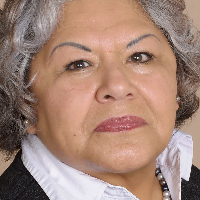
Willie Johnson
LCSW
Nevada 32 years in practice
LCSW - Relationships and family concerns
- Stress, Anxiety
- Relationship
- Trauma and abuse
Family and parenting directory
22 therapists based in Nevada list family or parenting among the things they work with. Sessions are online; a US therapist can usually only see people in a state where they hold a license, so check the license card on each profile.
This Nevada page groups profiles of therapists who list family relationships and parenting among their specialties so you can compare focus areas, approaches, languages and credentials. Browse the listed profiles to see who might match your needs, and check each therapist's profile to confirm they have permission to work with you where you live.
LCSW
Nevada 32 years in practice
LCSW - Relationships and family concerns
Nevada 12 years in practice
LCPC counselor - stress and family concerns
LMFT
Hawaii 25 years in practice
Licensed Marriage and Family Therapist - Relationships and Family
LCSW
Nevada 6 years in practice
LCSW in Nevada - Stress and Related Concerns
LCSW
Utah 3 years in practice English, Spanish
Licensed Clinical Social Worker - Family and parenting focus
LCSW
Nevada 10 years in practice
LCSW - Stress and family concerns
LCPC, LPC
Nevada 26 years in practice
Nevada LCPC and LPC - Stress and Parenting
LCSW
Nevada 3 years in practice
LCSW - Stress and Family concerns
LCSW
Nevada 12 years in practice
LCSW - Family and relationship concerns
NV Psychologist
Nevada 17 years in practice English, Hebrew
Nevada Psychologist - Family and relationship concerns
LMFT
California 7 years in practice
Licensed Marriage and Family Therapist - Family and relationship concerns
LMHC, LCPC
Nevada 20 years in practice
LMHC and LCPC - Family and life concerns
LCPC
Nevada 10 years in practice
LCPC in Nevada - Family and parenting concerns
LCPC, LCMHC
New Hampshire 38 years in practice
Licensed counselor - Relationships and parenting
Nevada 11 years in practice
Licensed Clinical Social Worker - Family and parenting concerns
LMFT
Nevada 12 years in practice
LMFT in Nevada - Family and parenting concerns
LCSW
Nevada 30 years in practice
Licensed Clinical Social Worker - Family and Parenting
LCSW
Nevada 10 years in practice
LCSW - Family and parenting focus
LCPC
Nevada 7 years in practice
LCPC in Nevada - Stress and Parenting
LISW, LIMHP
Nevada 13 years in practice
LISW and LIMHP - Family and parenting concerns
LCPC, LMHC
New York 12 years in practice
Licensed counselor - family and relationships
Nevada 5 years in practice
LCSW in Nevada - Family and parenting focus
Some links on this page are partner links. We will earn a commission if you sign up through one, at no cost to you. It does not change what you pay or the order of the listings.
When you begin searching for help with parenting stress, family conflict, blended family transitions, issues with adult children, or caring for aging parents, it helps to name the specific problems you want to address. Are you focused on behavior strategies for a school-age child, navigating stepfamily boundaries, repairing communication with an adult child, or managing caregiver stress? Identifying the primary concern will guide how you read profiles and what questions to prioritize. Remember that on this site the entries are profiles of individual therapists who list family or parenting among their specialties. That listing is a signal to start a conversation rather than a guarantee of a particular service. If a child or adult is unsafe or you believe there is imminent danger, call 911 or your local emergency services immediately. For ongoing issues that are not emergencies, you can use your clarified goals to compare practitioners by focus areas, years of experience with particular populations, and the language in which they describe their work.
The listed location on a profile indicates where a therapist is associated for this directory, but it does not by itself confirm the presence of an office at that address or that the therapist has current permission to practice with you in every circumstance. Always check the individual profile for explicit statements about where the therapist is licensed to practice and whether they can work with residents of Nevada. Academic degrees you may see - such as PhD, PsyD, MD, MA, or MSW - identify educational attainment. Those degree abbreviations are not the same as a professional license. Licenses and registrations are issued by state boards and determine legal permission to provide clinical services. A degree does not automatically demonstrate current licensing status or the scope of practice, so ask about the therapist's active license type, the licensing state, and any specialty credentials they hold that are relevant to your needs.
When you contact a therapist, prepare concrete questions that help you compare how they work and whether that aligns with what you want. You might ask which populations they typically work with and whether they have experience supporting parents of toddlers, teens, adult children, or caregivers of older adults. Ask about approaches they use and phrase it so you understand those as options rather than guarantees; for example, you can say "I see you list cognitive-behavioral techniques, family systems ideas, or therapists who list EMDR among their approaches - can you describe how you would apply those approaches to my concern?" Request examples of how they support parenting stress, blended family issues, or boundary-setting with adult children. Ask what a typical session looks like for someone with your concerns and how they measure progress. If cultural identity, religious values, or language match matter to you, ask how they incorporate those into their work and whether they speak your preferred language. These kinds of questions give you a clearer picture than broad descriptors alone.
If you and a therapist consider remote sessions, there are specific practical and legal topics to cover before beginning. Confirm whether the therapist has permission to work with people in Nevada and whether that includes telehealth services for residents in your county or situation. Discuss the technology you will use, how appointments will be scheduled, and what happens if a connection drops during a session. Ask how they handle documentation and the ways your information is maintained, and inquire about emergency procedures - who to contact and how the therapist will respond if you or someone in your household is in crisis during an online session. If a child or adult is unsafe, always call 911 or local emergency services rather than relying on an online contact. Clarify expectations about communication between sessions, such as messaging or phone check-ins, and whether those are appropriate for your issue. These conversations help you understand boundaries and logistics so you can decide whether remote care is a fit for your situation.
When you compare profiles, look beyond short labels to the specifics in each description. Focus areas will tell you the populations and problems a therapist mentions most often; some profiles will describe experience working with parents of young children, others with teens or multigenerational caregiving. Language skills are important if you prefer to work in a language other than English, so note any languages listed on the profile and ask about conversational versus clinical fluency. Examine credentials by separating academic degrees from licensure statements; a listed MA or PhD indicates training but does not by itself show permission to practice. Seek clear statements about current license type and the state or states where the therapist is authorized to provide care. Consider therapeutic style as described in the profile text - whether the therapist frames their work as practical, skills-based, exploratory, or focused on communication patterns - and decide whether that approach fits your way of engaging. Keep in mind that a profile listing family or parenting does not confirm that the therapist treats children, couples, or families in every instance. Use the profile to form questions and then reach out directly to confirm scope of practice, licensure, language fluency, and whether the person is prepared to address the particular challenges you named at the start of your search.
Comparing these elements across the listed profiles in Nevada will help you narrow choices and prepare thoughtful questions for initial conversations. Always verify licensure and permission to work with you where you live, and use the profile content as a starting point for a direct exchange about fit. That process gives you concrete information to decide whether to move forward with an initial consultation or to continue exploring other profiles on the site.