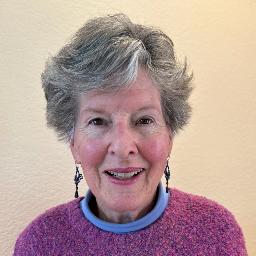
Lydia Fabbroni
LCSW
New Mexico 20 years in practice
LCSW in New Mexico - family and parenting focus
- Stress, Anxiety
- Self esteem
- Bipolar
Family and parenting directory
28 therapists based in New Mexico list family or parenting among the things they work with. Sessions are online; a US therapist can usually only see people in a state where they hold a license, so check the license card on each profile.
Browse profiles of therapists listed for New Mexico to compare focus areas, therapeutic approaches, languages, and professional credentials. Use the listed location to narrow your search and review each profile for details about experience and specialties. Please check each profile and confirm that the therapist has permission to work with you where you live before reaching out.
LCSW
New Mexico 20 years in practice
LCSW in New Mexico - family and parenting focus
New Mexico 3 years in practice
Licensed Clinical Social Worker - Trauma and parenting
LCSW
New Mexico 23 years in practice
Licensed Clinical Social Worker - Family and parenting focus
LCSW
New Mexico 16 years in practice
LCSW focusing on family and mental health
LCSW
New Mexico 20 years in practice
LCSW - Family and parenting focus
LCSW
New Mexico 9 years in practice English, Spanish
Licensed Clinical Social Worker - Family and parenting focus
LCSW
Texas 14 years in practice
LCSW - Stress and relationship concerns
LCSW
New Mexico 7 years in practice
Licensed Clinical Social Worker - Parenting and relationships
LCSW
New Mexico 14 years in practice
LCSW - Stress and family concerns
LCSW
New Mexico 4 years in practice
Licensed Clinical Social Worker - Family and parenting concerns
LPCC
New Mexico 30 years in practice
LPCC counselor - family and relationship support
LPCC
New Mexico 20 years in practice
LPCC in New Mexico - Family and relationship support
LPC, LCMHC
Vermont 40 years in practice
LPC and LCMHC - Relationships and Parenting
LPCC
New Mexico 8 years in practice
LPCC counselor - Relationship and family
LPCC
New Mexico 17 years in practice
LPCC counselor - Family and relationship concerns
LPCC
New Mexico 40 years in practice
LPCC counselor - Relationships and parenting
LMFT
New Mexico 5 years in practice
Licensed Marriage and Family Therapist - Family and relationship issues
LCSW
New Mexico 5 years in practice
LCSW - Stress and family concerns
LMFT
New Mexico 8 years in practice
Licensed Marriage and Family Therapist - Family and Parenting
New Mexico 16 years in practice
LPCC counselor - Family and parenting concerns
LPCC
New Mexico 27 years in practice
LPCC in New Mexico - Family and parenting concerns
LPC, LPCC
Texas 12 years in practice
Licensed counselor - Family and trauma focus
LPC, LPCC
New Mexico 7 years in practice
Licensed counselor - Family and parenting focus
LCSW
New Mexico 10 years in practice
LCSW - Stress and relationship support
LICSW, LCSW
Washington 10 years in practice
LICSW counselor - family and relationship concerns
New Mexico 6 years in practice
LPCC in New Mexico - Relationships and Parenting
LPCC
New Mexico 7 years in practice English, Spanish
Licensed Professional Clinical Counselor - Family and parenting
LPCC
New Mexico 15 years in practice
LPCC counselor - Family and parenting concerns
Some links on this page are partner links. We will earn a commission if you sign up through one, at no cost to you. It does not change what you pay or the order of the listings.
When you look through profiles grouped under the listed location New Mexico, you are seeing clinicians who list Family or Parenting among their specialties. That designation indicates they present themselves as people who work with individuals on parenting and family relationship issues, not that they automatically provide family or couples sessions. If you are dealing with high conflict, parenting stress, challenges with a stepfamily, adult children, or concerns about aging parents, these profiles are a starting point to find clinicians who describe relevant focus areas. You should plan to ask each person how they typically work with the kinds of situations you face and whether they take an individual-centered approach to those concerns.
If you are worried a child or an adult is in immediate danger, call 911 or your local emergency services right away. For risks that are urgent but not life threatening, consider a local crisis line or emergency mental health resources. Profiles on a directory cannot assess safety, and an online profile is not a substitute for immediate, local help when safety is a concern.
The "listed location" on a profile reflects where a clinician has chosen to be grouped in the directory. It is not by itself evidence of an office, physical proximity to you, eligibility for every resident, or an active license in that state. You should view the listed location as a way to focus your search, then review the profile details and contact the clinician to confirm whether they have permission to work with you where you live. Licenses, registrations, and academic degrees are related but distinct. Degrees such as PhD, PsyD, MD, MA, or MSW describe educational achievements and do not by themselves establish a current license or legal permission to practice. Licenses and registrations, when listed, indicate the regulatory status that allows a clinician to offer behavioral health services in particular jurisdictions. When a profile shows a degree, consider asking about the clinician's current license, the state or states where they are authorized to practice, and whether that authorization covers the kind of help you are seeking.
When you contact someone whose profile seems relevant, prepare concrete questions that let you compare how well their experience and style match your needs. Ask whether they typically work with individuals who are parents, adult children, caregivers of aging relatives, or people in blended family situations. If you want a clinician who focuses on behavior change, ask how they integrate practical parenting skills into sessions. If you are looking for help processing complex family histories, ask how they approach patterns that repeat across generations. Many profiles list therapeutic approaches; for example, you may see clinicians who list cognitive-behavioral, attachment-focused, psychodynamic, mindfulness-based, or trauma-informed approaches among their approaches. Frame questions so you learn how a clinician would apply those orientations to your situation rather than assuming every listed approach is used the same way. Ask for examples of how they have supported individuals facing issues like yours, how they measure progress, and what typical next steps might look like in the early weeks of working together.
If you are considering working remotely rather than in-person, clarify details that affect how the work will proceed. Confirm whether the clinician has permission to provide services to people in your state or locality and how they handle cross-state practice when relevant. Discuss technical aspects such as the platform they use, what to do if a connection drops, and how sessions are scheduled and documented. You should also ask about privacy practices, limits on what can be discussed by remote means, and how emergencies are handled when you are not in the same community as the clinician. Find out whether they have experience supporting people in similar life stages - for example, new parents, parents of teenagers, caregivers of aging relatives - and ask how they adapt their communication for those situations. Plan to agree on a process for checking progress so you know when to revisit goals or change direction. Before beginning, verify that you feel comfortable asking questions and that the clinician has explained their scope of practice so you understand what they will and will not address.
Comparing profiles effectively means looking beyond titles and scanning for concrete signals of fit. Focus areas on a profile describe themes a clinician lists, such as parenting stress, co-parenting after separation, stepfamily dynamics, caregiver burnout, or communication with adult children. Look for language that aligns with the issues you want to address and note any populations the clinician mentions, such as new parents, fathers, or caregivers for elderly relatives. Language abilities are practical to compare - if you prefer therapy in Spanish or another language, prioritize profiles that list those language skills and ask about the clinician's experience using that language in therapy. When evaluating credentials, read degree descriptions and then ask about licensure and the state or states where the clinician is authorized to practice. Remember that an academic degree and a professional license serve different purposes; a degree signals training background while a license indicates current legal permission to provide care in a jurisdiction.
Style and interpersonal fit matter as much as technical background. Some clinicians present a direct, skills-oriented approach while others describe a reflective, exploratory style. Compare profiles for clues about session tone, such as whether the clinician emphasizes coping strategies, communication tools, exploration of family history, or support in decision-making. Consider preparing specific scenarios to discuss in an initial conversation - for example, how the clinician would approach a recurring bedtime conflict, a high-tension conversation with an adult child, or transitions after remarriage. Ask how they typically involve an individual's immediate family context even when sessions are with one person, and whether they help clients build practical strategies to manage interactions outside of sessions. All of these comparisons help you decide whom to reach out to for an introductory conversation about fit.
Finally, remember that directory profiles are a starting point. Use the listed location to narrow your search, then read profiles carefully and ask direct questions about licensure, scope of practice, approach, experience with issues like yours, and how they handle urgent situations. These conversations will help you determine whether a clinician's skills and style align with what you hope to address in therapy. If a situation is unsafe or requires immediate help, contact emergency services without delay.