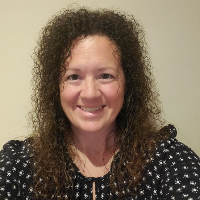
Liberty Kenyon
LMHC
Rhode Island 30 years in practice
Licensed Mental Health Counselor - Family and relationship focus
- Stress, Anxiety
- LGBT
- Relationship
Family and parenting directory
11 therapists based in Rhode Island list family or parenting among the things they work with. Sessions are online; a US therapist can usually only see people in a state where they hold a license, so check the license card on each profile.
Compare Rhode Island therapist profiles that list family relationships and parenting among their specialties. Use the profiles to review credentials, languages, approaches and focus areas, then browse to find clinicians who seem like a fit in this listed location. When you find profiles of interest, check each individual profile and confirm the therapist's permission to work with you where you live.
LMHC
Rhode Island 30 years in practice
Licensed Mental Health Counselor - Family and relationship focus
LICSW
Rhode Island 8 years in practice
LICSW - Stress and Family concerns
LMHC
Rhode Island 12 years in practice
Dr. Cynthia Almonacy, LMHC - Stress and relationship support
LICSW
Massachusetts 25 years in practice English, Spanish
LICSW - Family and relationship counseling
LCSW, CSW
Rhode Island 7 years in practice
Licensed clinical social worker - Family and parenting
LMHC
Rhode Island 15 years in practice
Licensed Mental Health Counselor - Family and parenting concerns
LICSW
Massachusetts 10 years in practice
Licensed clinical social worker - Stress and relationships
LPC, LMHC
Florida 8 years in practice English, Haitian Creole
Licensed counselor - Family and parenting issues
LICSW
Rhode Island 10 years in practice
LICSW - Stress and family concerns
LMHC
Rhode Island 22 years in practice
Licensed Mental Health Counselor - Family and parenting focus
LMFT
Rhode Island 25 years in practice
Licensed Marriage and Family Therapist - Family and related concerns
Some links on this page are partner links. We will earn a commission if you sign up through one, at no cost to you. It does not change what you pay or the order of the listings.
When you begin searching for help with parenting stress, blended family transitions, conflict with adult children, or caregiving for aging parents, start by naming the specific situations that feel most urgent to you. Are you navigating co-parenting after separation, setting boundaries with an adult child, managing the practical and emotional demands of caring for an older relative, or trying to reduce daily stress and burnout connected to parenting roles? Clear goals will help you compare profiles more effectively because therapists often describe the focus areas they list rather than offering a single narrow specialty.
Think about what outcome matters to you in the near term - gaining new strategies for limits and routines, improving communication with a particular family member, or learning ways to manage your own stress and reactivity. That focus shapes the kinds of questions you will want to ask when you contact someone whose profile looks relevant. Note whether you prefer a clinician who emphasizes skill-building, insight and exploration, or practical problem-solving. These style descriptions are commonly included in profiles and can be useful shorthand for narrowing choices before you reach out.
If you or someone in your household is in immediate danger, call 911 or local emergency services right away. If someone is thinking about harming themselves, contact your local crisis line or the national crisis lifeline at 988 for immediate assistance.
The listed location on a profile groups clinicians by where they say they serve, but it is not definitive proof of an office address or current licensure in every circumstance. Treat the listed location as a starting point. Use the profile to gather details and then follow up directly to confirm whether a therapist has permission to work with you in your state or locality. State licensing rules and telehealth permissions vary, so that confirmation matters for legal and safety reasons.
Profiles usually display academic degrees and may also list professional licenses. Academic degrees include examples such as PhD, PsyD, MD, MA and MSW. Those are educational credentials that tell you about a clinician's training background. Licenses and registrations - for example clinical social work licenses, marriage and family therapy licenses, or professional counselor credentials - are the authorizations that determine whether a person may practice independently in a state. A degree alone does not establish current permission to practice. If a profile names licenses, treat those as helpful details and verify the exact status through the relevant state licensing board if that is important to you.
Because a listed topic like family or parenting reflects what a clinician reports on their profile, it does not by itself guarantee experience with every age group or arrangement. Profiles are a way to sort and compare; your next step is a direct conversation to confirm specifics.
When you contact a clinician from a profile that interests you, come prepared with focused questions that clarify whether their approach and experience match your needs. Ask about the kinds of parenting concerns they most often work with - for example, parenting infants and toddlers, adolescents, co-parenting after divorce, blended family dynamics, boundary-setting with adult children, or caregiver stress for an aging parent. Ask which populations they list as their primary focus and how they describe their work with those issues.
Ask about therapeutic style and what the clinician lists among their approaches. Phrase questions to reflect the fact that profile entries are self-reported - for example, you might say, "I see you list cognitive behavioral therapy and trauma-informed care among your approaches. How do you typically apply those approaches when someone is dealing with parenting stress?" That wording avoids assuming certification and invites explanation of how an approach would be used in your case.
Also ask about practical aspects of the work style you prefer. You can request examples of what a typical session might involve for a parent dealing with persistent burnout or what kinds of between-session activities they might suggest. If you're considering long-term work because of complex family patterns, ask how they track progress and what they commonly discuss early in treatment to establish priorities.
If you are thinking about receiving care online, discuss logistics and professional boundaries before you begin. Ask which communication platforms the clinician uses and how they describe the privacy safeguards that apply to your sessions. Clarify what will happen in a local emergency - for example, how the clinician would connect with emergency responders in your area if someone were at risk. Because rules vary by state, verify whether the clinician has permission to provide services to someone in your listed location or where you physically reside at the time of sessions.
It is also useful to discuss scheduling norms, expectations about preparation between sessions, and how cancellations are handled. If language is important to you, confirm the languages listed on the profile and whether the clinician conducts sessions in a language you prefer. If you expect to coordinate care with a pediatrician, school staff, or other providers, discuss how the clinician approaches information sharing and what you would need to authorize in writing. These practical conversations help set realistic expectations and protect your time and emotional energy as you begin.
When you are comparing profiles in Rhode Island, look beyond headline phrases and read descriptions carefully for specific examples. A profile that lists "parenting" as a focus can mean many different things. Some clinicians emphasize behavior strategies for younger children, others support parents of teens with relationship boundaries, and some list experience advising people who are managing caregiving responsibilities for aging relatives. Ask whether the profile mentions age ranges, particular stressors, or common goals their clients bring.
Language and cultural competence can be essential. If it matters to you that a clinician speaks a particular language or has experience with cultural dynamics relevant to your family, give that appropriate weight. Compare academic degrees and licenses as separate items. A degree such as PhD, PsyD or MSW describes education; a license describes the legal permission to practice. If a profile lists both, that can be useful context, but you should confirm license status with the issuing board or by asking the clinician directly.
Finally, pay attention to the tone and style described on the profile. Does the clinician describe their work as more collaborative and coaching-oriented, or more exploratory and reflective? Which approach seems likely to fit with how you process change - do you prefer practical step-by-step suggestions, or do you want time to reflect on patterns and meaning before trying new strategies? Use concrete comparison questions - about populations treated, languages offered, licenses held, and the ways a clinician typically works - to narrow your choices. Then contact the profiles that feel closest to your needs and ask the direct questions that matter to you.
Choosing someone to work with is a personal decision. Use the profiles in this listed location as a starting point rather than a final answer. Verify credentials and permission to practice where you live, ask clear questions about how the clinician approaches family and parenting challenges, and prioritize a conversation that leaves you feeling understood about your immediate concerns.