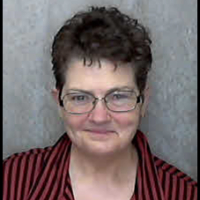
Gabriele Rebbe
LPC, LCMHC
Vermont 22 years in practice English, German
Licensed counselor - Family and parenting issues
- Addictions
- Stress, Anxiety
- Relationship
Family and parenting directory
2,402 therapists who list family or parenting also list addictions. All offer sessions online; each profile shows the state they are licensed in.
Browse profiles of clinicians who list Addictions along with family or parenting concerns to compare approaches, credentials, languages and listed location. Use the filters and profile details to decide which profiles you want to read in full and contact for more information.
LPC, LCMHC
Vermont 22 years in practice English, German
Licensed counselor - Family and parenting issues
LISW
Ohio 20 years in practice
Licensed Independent Social Worker - Relationships and Parenting
LPC
Arizona 8 years in practice
Licensed Professional Counselor - Family and parenting concerns
LPCC
Minnesota 10 years in practice
Licensed Professional Clinical Counselor - Family and addiction support
LPC
Alabama 5 years in practice
Alabama LPC focused on family and relationships
LPC
South Carolina 25 years in practice
LPC in South Carolina - family and parenting focus
New York 20 years in practice English, Hindi
Licensed Mental Health Counselor - Family and relationships
LCSW
North Carolina 20 years in practice
LCSW - Family and parenting support
LMHC, LPC
Florida 6 years in practice
Licensed counselor - Family and parenting concerns
LPC
Texas 25 years in practice
Licensed Professional Counselor - Relationships and Parenting
Arizona 21 years in practice English, Spanish
Licensed Professional Counselor - Family & parenting focus
LCSW
New York 20 years in practice
Licensed Clinical Social Worker - Family and parenting concerns
LPC
Texas 22 years in practice
Licensed Professional Counselor - Family and parenting concerns
LCSW, LICSW
Minnesota 15 years in practice
Licensed Clinical Social Worker - Family and parenting focus
LCSW
Connecticut 16 years in practice
LCSW in Connecticut - family and life stress
LCSW
California 10 years in practice
LCSW - stress and family concerns
LCSW
Illinois 25 years in practice
LCSW - Stress and family concerns
LISW
Ohio 19 years in practice
Ohio LISW - Family and parenting concerns
LPCC
Kentucky 7 years in practice
Licensed Professional Clinical Counselor - Relationships and Family Concerns
LPC
Louisiana 24 years in practice
Licensed Professional Counselor - Family and parenting focus
Texas 4 years in practice
Licensed Professional Counselor - Family and relationship concerns
LCSW
Wisconsin 6 years in practice
LCSW - Stress and parenting support
LCSW
Texas 8 years in practice
Licensed Clinical Social Worker - Family and parenting concerns
LPC
Texas 17 years in practice
Licensed Professional Counselor - Family and parenting
LCSW-C, LCSW
Texas 35 years in practice
Licensed Clinical Social Worker - Family and relationship concerns
LMHC, LPC
Pennsylvania 10 years in practice English, Hebrew
LMHC LPC - Stress and family concerns
LCSW
Wisconsin 3 years in practice
Licensed Clinical Social Worker - Family and Parenting
LCSW, LISW-CP
South Carolina 10 years in practice
LCSW and LISW-CP - Family and parenting focus
Georgia 8 years in practice
Licensed Professional Counselor - Family and parenting concerns
LMHC
Iowa 8 years in practice
Licensed Mental Health Counselor - Relationship and Family concerns
LCPC
Illinois 3 years in practice
Licensed counselor - Family and relationship support
LCSW, LISW-CP
North Carolina 10 years in practice
Licensed clinical social worker - Family and relationship concerns
LMHC, LPC
Florida 30 years in practice
LMHC LPC - Stress and family concerns
LPC
Arizona 20 years in practice
Licensed Professional Counselor - Family and parenting concerns
LCSW
Florida 5 years in practice
LCSW - Stress and addiction counseling
LCSW
New Jersey 40 years in practice
LCSW in New Jersey - family and parenting concerns
LPC
Georgia 42 years in practice
Licensed Professional Counselor - Relationships and Family Issues
LISW
Ohio 22 years in practice
LISW - Family and relationship concerns
LCSW-C, LICSW
Maryland 46 years in practice
LCSW-C in Maryland - stress and mood support
LMHC
Florida 15 years in practice English, Spanish
Licensed Mental Health Counselor - Family and personal concerns
LPC
Alabama 16 years in practice
Licensed Professional Counselor - Stress and Family concerns
LCSW
Indiana 26 years in practice
Licensed Clinical Social Worker - Family and parenting
LMHC
Florida 9 years in practice
Licensed Mental Health Counselor - Relationship and Parenting
LCSW
Missouri 44 years in practice
LCSW working with relationships and family concerns
LMHC
Washington 22 years in practice
LMHC - Stress and relationship support
Texas 30 years in practice
Dr. Christie Taylor, LPC - Family and parenting, Addiction and mood concerns
New York 20 years in practice
Licensed clinical social worker - Family and parenting focus
LPC
Texas 8 years in practice English, Tagalog
Licensed Professional Counselor - Family and parenting
Some links on this page are partner links. We will earn a commission if you sign up through one, at no cost to you. It does not change what you pay or the order of the listings.
If you are dealing with substance use or behavioral addictions in the context of parenting or family life, you are likely balancing immediate safety, daily routines and longer-term relationship questions. Addictions can affect your energy, availability and decision-making as a parent, and they can alter communication patterns with co-parents, adult children or aging relatives. You may be trying to manage child care, schooling, finances and legal concerns while also addressing your own needs. Therapists listed here work with individuals who bring parenting and family issues together with addictive behaviors, and you can look for profiles that reflect that dual focus.
When you review profiles, keep in mind that a clinician who lists Addictions and family or parenting among their focuses is presenting those topics as areas they address with individuals. That listing does not imply a particular treatment outcome or a specific service model. If someone in your household appears to be an immediate risk to themselves or others, contact local emergency services or your crisis line right away. For non-urgent concerns, you can use the profile information to identify clinicians who speak your language, have relevant experience, or emphasize particular approaches you prefer to discuss.
This directory groups profiles of clinicians who list family or parenting among their specialties and who also list Addictions as a focus. That overlap can be useful if your concerns sit at the intersection of substance use or compulsive behaviors and parenting roles. You may be seeking support as a parent who also struggles with an addiction, as an adult child worried about a parent, or as someone navigating shared custody or co-parenting while addressing recovery-related challenges.
Do not assume that the presence of both topics on a profile means the clinician treats families or conducts family sessions. Many clinicians who list family or parenting focuses work with individuals on parenting stresses and relationship impacts rather than facilitating multi-person therapy. Use profile descriptions to see how each clinician frames their work with parents, caregivers and adult children, and ask directly about the scope of services they provide so you understand whether their practice fits what you need.
When you contact a clinician after reviewing a profile, having specific questions will help you assess fit. Ask whether they have experience supporting individuals who juggle addiction-related challenges and parenting responsibilities. Inquire about the kinds of approaches they use and how those approaches are applied when parenting is part of the picture. You can reference approaches you have heard of by name and ask whether the clinician lists those approaches among their methods; for example, you might ask whether they list cognitive-behavioral approaches, motivational interviewing, trauma-informed perspectives or family-systems ideas among their approaches, and how those are tailored to individual parents or caregivers.
Ask pragmatic questions about the populations they work with. Do they work with parents of young children, teens, or adult children and aging parents? Do they have experience with co-occurring issues such as mood or anxiety symptoms, trauma histories, or legal and medical coordination related to substance use? You can also ask about cultural competence and experience with specific communities or belief systems that matter to you. Remember that educational degrees such as PhD, PsyD, MD, MA or MSW describe academic preparation, and that degree information on a profile does not by itself confirm current permission to practice. Ask the clinician to describe the license or registration they hold and whether they are authorized to practice in your state or region.
If you are considering remote sessions, discuss technology, communication norms and how the clinician protects your information. Ask where they are licensed to practice and whether they have permission to work with people located in your listed location at the time of the session. Clarify what to do if there is an urgent safety concern between sessions, and request a description of their policy for crisis situations so you know how they will guide you. If you prefer in-person meetings, check the clinician's listed location and ask about the setting they use for sessions and any access considerations.
Discuss how goal-setting and progress are handled in the context of parenting and addiction-related work. You might ask how the clinician supports parenting skills, relapse prevention planning, coping with stressors such as custody transitions or school-related issues, and coordination with other professionals when appropriate. If medication, legal matters or child welfare concerns are part of your situation, ask how the clinician partners with medical providers or legal advocates and whether they will help you identify local resources. If at any point you believe a child or adult is in immediate danger, call your local emergency number or the relevant crisis line rather than waiting for scheduled care.
Comparing profiles thoughtfully helps you narrow options. Look first at the focus areas a clinician lists and how they describe work with parenting and addictions. Profiles that name specific age ranges, life stages or parenting situations can help you identify clinicians whose day-to-day experience aligns with your needs. Language options listed on a profile matter if you need to speak in a language other than English; consider whether the clinician conducts sessions in that language or uses interpreters and how that affects rapport and nuance.
Pay attention to credentials and how they are presented. Degrees such as PhD, PsyD, MD, MA and MSW indicate educational background. Licenses or registrations indicate legal permission to practice and are the items to verify directly. Names of licenses can vary by state and country, so ask a clinician which license they hold, the licensing jurisdiction and how you can confirm their status with the relevant board. Review the profile's treatment approaches language carefully - some clinicians list specific approaches among their methods, and you can ask how those are used in practice. Style is also important; a clinician may describe a collaborative, skills-oriented, reflective or directive style, and that description can help you picture what sessions might feel like.
Finally, consider logistics such as listed location for in-person care, language needs, the clinician's focus areas and whether they explicitly state work with parents or caregivers. Use profile details to form a set of clarifying questions, and verify license and permission to practice in your location before beginning work. Comparing profiles in this way can help you identify clinicians to contact for an initial conversation about fit and scope. If you are in immediate danger or facing a crisis, contact emergency services in your area without delay.