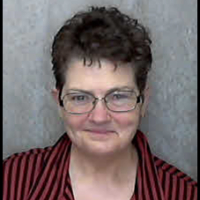
Gabriele Rebbe
LPC, LCMHC
Vermont 22 years in practice English, German
Licensed counselor - Family and parenting issues
- Stress, Anxiety
- Addictions
- Relationship
Family and parenting directory
835 therapists who list family or parenting also list adoption. All offer sessions online; each profile shows the state they are licensed in.
You can compare therapist profiles that list Adoption alongside family relationships and parenting to find a good match for your needs. Review listed location, approaches, languages, credentials and experience, then browse profiles to learn more about individual therapists.
LPC, LCMHC
Vermont 22 years in practice English, German
Licensed counselor - Family and parenting issues
Texas 20 years in practice
Licensed Professional Counselor - Family and parenting concerns
LIMFT, LMFT
Kentucky 15 years in practice
Licensed marriage and family therapist - relationships and parenting
LMHC, LPC
Florida 6 years in practice
Licensed counselor - Family and parenting concerns
LISW
Ohio 19 years in practice
Ohio LISW - Family and parenting concerns
LPCC
Ohio 20 years in practice
LPCC in Ohio - Stress and relationships
LPCC
Kentucky 7 years in practice
Licensed Professional Clinical Counselor - Relationships and Family Concerns
LCSW
Oklahoma 30 years in practice
LCSW focused on family and grief
LPC
Texas 17 years in practice
Licensed Professional Counselor - Family and parenting
LCSW-C, LCSW
Texas 35 years in practice
Licensed Clinical Social Worker - Family and relationship concerns
LCPC
Illinois 3 years in practice
Licensed counselor - Family and relationship support
LCSW, LISW-CP
North Carolina 10 years in practice
Licensed clinical social worker - Family and relationship concerns
LCSW
New Jersey 40 years in practice
LCSW in New Jersey - family and parenting concerns
LCSW-C, LICSW
Maryland 46 years in practice
LCSW-C in Maryland - stress and mood support
LMHC
Florida 15 years in practice English, Spanish
Licensed Mental Health Counselor - Family and personal concerns
LPC
Alabama 16 years in practice
Licensed Professional Counselor - Stress and Family concerns
LCSW
Missouri 44 years in practice
LCSW working with relationships and family concerns
Texas 15 years in practice
Licensed Professional Counselor - Family and Parenting
LCSW
Texas 20 years in practice
Dr. Felicia Bennett, LCSW - Family and parenting concerns
LCSW
Louisiana 30 years in practice
Licensed Clinical Social Worker - Family and parenting
LCSW, LSCSW
North Carolina 6 years in practice
Licensed Clinical Social Worker - Family and parenting focus
LPC
New Jersey 25 years in practice
Licensed Professional Counselor - Family and parenting
LCSW
Texas 6 years in practice
Licensed Clinical Social Worker - Family and parenting
LCSW
California 10 years in practice
Licensed Clinical Social Worker - Family and parenting
Louisiana 19 years in practice
Licensed Clinical Social Worker - Family concerns and parenting
LICSW, LCSW, CSW
Georgia 7 years in practice
Licensed clinical social worker - family and parenting focus
LMHC
Massachusetts 42 years in practice
Licensed Mental Health Counselor - Family and parenting focus
South Carolina 11 years in practice
Licensed Professional Counselor - Family and parenting focus
LPC
Texas 12 years in practice
LPC in Texas - relationships and family concerns
LPC
Michigan 22 years in practice
Licensed Professional Counselor - Family and parenting topics
LPCC
Ohio 4 years in practice
LPCC in Ohio - Family and parenting concerns
LPC
Alabama 8 years in practice
Licensed Professional Counselor - Family and parenting
LPC
Pennsylvania 25 years in practice
Licensed Professional Counselor - Addiction and Family
LCPC
Illinois 26 years in practice
LCPC - Stress and family concerns
LMHC
Florida 16 years in practice
Florida LMHC - Family and parenting concerns
LPC
Virginia 6 years in practice
Licensed Professional Counselor - Family and parenting
LCMHC
Utah 10 years in practice
Licensed Clinical Mental Health Counselor - Family and parenting related concerns
LPCC
Ohio 33 years in practice
Ohio LPCC - Family and parenting focus
LPC
South Carolina 3 years in practice
Licensed Professional Counselor - Family and relationship concerns
Michigan 25 years in practice
Licensed Professional Counselor - Family and parenting support
Texas 36 years in practice
Licensed Clinical Social Worker - Family and parenting concerns
LISW-CP
South Carolina 10 years in practice
Licensed social worker - relationships and family concerns
LMSW
Michigan 28 years in practice
LMSW - Relationship and family concerns
LCSW
Florida 21 years in practice
LCSW - Relationships and Family Concerns
LCSW
Idaho 37 years in practice
Licensed Clinical Social Worker - Family and parenting concerns
LPC
Georgia 18 years in practice
Licensed Professional Counselor - Family and parenting focus
LCSW
Louisiana 24 years in practice
LCSW - Parenting and relationship concerns
LCSW
New York 36 years in practice
LCSW - Family and parenting support
Some links on this page are partner links. We will earn a commission if you sign up through one, at no cost to you. It does not change what you pay or the order of the listings.
If you are dealing with questions related to Adoption, you are not alone in facing complex feelings and practical decisions. People seek help at many stages - while considering adoption, during the adoption process, in early parenting after adoption, and later as children, teens, or adult adoptees work through identity, attachment or reunification questions. You might be navigating grief related to loss or separation, managing uncertainty about birth-family contact, or confronting transracial or international adoption challenges. Parents often look for ways to support attachment, understand developmental milestones, and respond to behavior shaped by early experiences. Adult adoptees frequently seek help with identity integration, genealogical questions, or processing reunions and boundaries.
When safety is a concern for a child or an adult - for example, if someone is at risk of harm or in immediate danger - contact emergency services or a local crisis line right away. A therapist profile can be a starting point to identify professionals who list Adoption and parenting among their focus areas, but you should speak directly with a therapist about your specific concerns to see whether their expertise and scope match your needs.
Adoption often shapes the day-to-day dynamics of parenting and the broader landscape of family relationships. You may find that questions about attachment and trust surface in interactions between parent and child, or that blended family structures bring evolving roles and expectations. Whether you are an adoptive parent, a foster parent transitioning to adoption, an adult adoptee, or a birth parent exploring contact options, issues that touch family relationships and parenting are common. These can include negotiating openness agreements, discussing origins with a child, responding to developmental or behavioral concerns, and navigating extended family reactions.
The fact that a therapist lists Adoption among their specialties does not by itself indicate what age groups or settings they work with. Many people use this directory to find therapists who help individuals process parenting and relationship concerns connected to Adoption. You should confirm with a therapist whether they work directly with adults, adolescents, or children, and whether they focus on individual care rather than family or couples work unless a profile explicitly states otherwise.
When you review profiles, prepare concrete questions that clarify a therapist's experience and approach as it relates to Adoption and parenting. Ask about the kinds of adoption-related situations they have worked with - for example, foster-to-adopt experiences, international adoption, transracial adoption, open adoption arrangements, or adult adoptee reunion work. Ask which age ranges they typically work with and whether they have experience helping individuals with attachment concerns, identity questions, or grief and loss related to adoption.
It is also helpful to ask about therapeutic approaches in conversational terms. You might ask whether a therapist uses cognitive-behavioral strategies, attachment-informed perspectives, trauma-aware care, or whether they list EMDR among their approaches. Phrase these inquiries as topics for discussion rather than assumptions that a profile implies specific training. Another useful line of questioning concerns cultural responsiveness - for example, how a therapist approaches racial, cultural, linguistic, or religious factors that affect adoption experiences - and how they incorporate family background into their work with individuals.
If you are considering online or remote sessions, there are practical topics to cover before you begin. Confirm whether the therapist is permitted to provide care in your state or region; a degree such as PhD, PsyD, MD, MA, or MSW does not alone indicate a license to practice, so ask about the professional license that grants them permission to work where you live. Ask what technology they use for remote sessions and what privacy protections are in place for your communications. You can also discuss how they handle emergency planning - for example, what steps they take if a client indicates imminent risk - and learn what local resources they recommend in such situations.
Because profiles vary in the details they provide, clarify the scope of the therapist's work. Some therapists work primarily with individuals addressing parenting and family relationship concerns, while others may also offer couple or family services; do not assume a therapist provides family sessions unless they state that explicitly. Discuss expectations for session length and typical course of work, and ask how they approach collaboration with other professionals you may be seeing, such as pediatricians, social workers, or attorneys involved in adoption-related matters.
Comparing profiles effectively means looking beyond a single label and weighing several practical factors. Start with the focus areas a therapist lists: Adoption, parenting, and family relationships may appear together, and you should interpret that as a signal to ask about specific experience rather than proof of a specialty certificate. Look at languages listed on the profile to assess whether you can talk about cultural or linguistic nuances in a shared language. Profiles may also mention populations served or identities the therapist is experienced with; consider how these align with your situation.
Pay attention to credentials and distinguish academic degrees from professional licenses. Academic credentials such as PhD, PsyD, MD, MA, or MSW describe a level of education. Licenses or registrations - for example, credentials that indicate permission to practice in a jurisdiction - are what determine whether a clinician can legally provide care in your location. Ask the therapist to confirm both their degree and the license that authorizes practice where you live. Finally, consider therapeutic style and communication preferences. Some therapists emphasize a directive, problem-solving orientation, while others describe a reflective, exploratory style. Think about which style fits how you like to work, and ask the therapist how they typically engage with the topics you brought up in your initial conversation.
When you are ready, use the profiles on this page as a starting point to reach out to individuals whose listed focus areas, languages, credentials, and described approaches align with your needs. Verify licensure and permission to practice in your location, clarify whether they work with individuals or with families and couples, and discuss the specific Adoption and parenting concerns you want to address. These steps will help you make an informed choice about who to contact and how to begin a conversation about your situation.