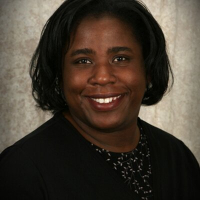
Gabriele Rebbe
LPC, LCMHC
Vermont 22 years in practice English, German
Licensed counselor - Family and parenting issues
- Stress, Anxiety
- Addictions
- Relationship
Family and parenting directory
1,209 therapists who list family or parenting also list aging and geriatric issues. All offer sessions online; each profile shows the state they are licensed in.
Browse profiles of therapists who list Aging and Geriatric Issues alongside family relationships and parenting concerns. Compare listed location, credentials, languages, and approaches to find profiles to contact and discuss your needs.
LPC, LCMHC
Vermont 22 years in practice English, German
Licensed counselor - Family and parenting issues
Texas 20 years in practice
Licensed Professional Counselor - Family and parenting concerns
LIMFT, LMFT
Kentucky 15 years in practice
Licensed marriage and family therapist - relationships and parenting
LPC
South Carolina 25 years in practice
LPC in South Carolina - family and parenting focus
LMHC, LPC
Florida 6 years in practice
Licensed counselor - Family and parenting concerns
LCSW
Missouri 20 years in practice
Licensed Clinical Social Worker - Family and caregiving
LPC
Texas 22 years in practice
Licensed Professional Counselor - Family and parenting concerns
LCSW, LICSW
Minnesota 15 years in practice
Licensed Clinical Social Worker - Family and parenting focus
LPC
Michigan 5 years in practice
Licensed Professional Counselor - Family and mental health
LCSW
Louisiana 19 years in practice
Licensed Clinical Social Worker - Family and relationships
LISW
Ohio 19 years in practice
Ohio LISW - Family and parenting concerns
LPCC
Ohio 20 years in practice
LPCC in Ohio - Stress and relationships
LCSW
Oklahoma 30 years in practice
LCSW focused on family and grief
LPC
Texas 17 years in practice
Licensed Professional Counselor - Family and parenting
LCSW-C, LCSW
Texas 35 years in practice
Licensed Clinical Social Worker - Family and relationship concerns
LMFT
California 18 years in practice English, Russian
Licensed Marriage and Family Therapist - Parenting and Stress
Louisiana 28 years in practice
Licensed Clinical Social Worker - Stress and grief
LMSW
Michigan 20 years in practice
Licensed LMSW - Family and parenting focus
LCPC
Illinois 3 years in practice
Licensed counselor - Family and relationship support
LCSW
Kentucky 5 years in practice
Licensed Clinical Social Worker - Grief and Parenting
LMHC, LPC
Florida 30 years in practice
LMHC LPC - Stress and family concerns
LPC
Arizona 20 years in practice
Licensed Professional Counselor - Family and parenting concerns
LCSW-C, LICSW
Maryland 46 years in practice
LCSW-C in Maryland - stress and mood support
LMHC
Florida 15 years in practice English, Spanish
Licensed Mental Health Counselor - Family and personal concerns
LPC
Alabama 16 years in practice
Licensed Professional Counselor - Stress and Family concerns
LMHC
Florida 9 years in practice
Licensed Mental Health Counselor - Relationship and Parenting
LCSW
New York 8 years in practice English, Spanish
LCSW - Family concerns and self-esteem
LCSW
Missouri 44 years in practice
LCSW working with relationships and family concerns
Texas 30 years in practice
Dr. Christie Taylor, LPC - Family and parenting, Addiction and mood concerns
New York 20 years in practice
Licensed clinical social worker - Family and parenting focus
LCSW
Texas 9 years in practice
Licensed Clinical Social Worker - Family and parenting concerns
LCSW, LSCSW
North Carolina 6 years in practice
Licensed Clinical Social Worker - Family and parenting focus
LPC
New Jersey 25 years in practice
Licensed Professional Counselor - Family and parenting
LICSW
Alabama 9 years in practice
Licensed clinician - Family and life concerns
LPC, LCMHC
North Carolina 21 years in practice
LPC and LCMHC - Relationships and Parenting
LPC
Texas 13 years in practice
LPC in Texas - Family and parenting concerns
LCSW
California 10 years in practice
Licensed Clinical Social Worker - Family and parenting
Louisiana 19 years in practice
Licensed Clinical Social Worker - Family concerns and parenting
LCSW
Florida 20 years in practice
Licensed Clinical Social Worker - Family and stress issues
LICSW, LCSW, CSW
Georgia 7 years in practice
Licensed clinical social worker - family and parenting focus
LMHC
Massachusetts 42 years in practice
Licensed Mental Health Counselor - Family and parenting focus
LMFT, LPC
Texas 30 years in practice English, Spanish
LMFT and LPC - Family and parenting focus
LPC
Georgia 25 years in practice
Licensed Professional Counselor - Family and parenting issues
LCSW
New Jersey 8 years in practice
Licensed Clinical Social Worker - Family and parenting focus
LPC
Michigan 12 years in practice
Licensed Professional Counselor - Family and Parenting
Michigan 15 years in practice
Dr. Audrey Berdeski, LPC - Stress and Relationship support
LPC
Michigan 22 years in practice
Licensed Professional Counselor - Family and parenting topics
LPCC
Ohio 4 years in practice
LPCC in Ohio - Family and parenting concerns
Some links on this page are partner links. We will earn a commission if you sign up through one, at no cost to you. It does not change what you pay or the order of the listings.
As parents age, the balance of care and responsibility in a family can change quickly. You may be an adult child navigating decisions about long-term care, a parent adjusting to reduced independence, or a caregiver juggling your own household while overseeing an older relative's needs. These situations often bring stress, grief, role reversal, and complicated emotions that show up in daily interactions with siblings, partners, and children. Therapists who list Aging and Geriatric Issues alongside family relationships and parenting focus work with individuals facing those shifts to explore coping strategies, boundaries, and communication patterns that matter to you.
Therapy can help you name what is most pressing - whether it is managing caregiver burnout, negotiating who makes decisions, dealing with anticipatory loss, or figuring out how to support an older person while protecting your own wellbeing. If a child or adult is unsafe or at immediate risk, contact local emergency services or dial 911. For non-urgent concerns you want to address with a clinician, leaning on targeted questions and a clear sense of goals will make initial conversations with a therapist more productive.
This directory groups profiles of clinicians who list Family or Parenting among their specialties and who also list Aging and Geriatric Issues as an additional focus. That overlap often reflects clinicians who work with adults managing intergenerational stress, caregiving, or parenting while aging. A listing on a profile indicates the topics a clinician has chosen to highlight, but it is not evidence of specialist certification, a particular therapy method, diagnostic services, treatment outcomes, or suitability for your situation. You should discuss a clinician's specific experience and scope directly with them.
Because this page centers on individual care, the emphasis is on clinicians who help you, as an individual, make decisions, manage emotions, and strengthen communication within your family context. Profiles may note experience with issues common in later life - such as memory changes, mobility loss, grief for changing roles, or end-of-life planning conversations - and they may also list approaches clinicians commonly use. Use those signals as starting points for conversations rather than definitive proof of expertise.
When you contact a clinician, prepare specific questions that reflect your situation. Ask about their prior experience working with adult children who manage caregiving responsibilities, or with individuals coping with a parent’s cognitive decline, if that is relevant. You can ask how they typically support someone dealing with anticipatory grief or family conflict over care decisions. It is reasonable to ask whether they have worked with people from your cultural background or with similar religious or community connections, and whether they have experience supporting older adults with sensory or mobility challenges.
Ask about therapeutic approaches in neutral terms - for example, ask whether a clinician uses cognitive-behavioral strategies, mindfulness-based methods, narrative approaches, or family systems concepts, phrasing it as a discussion topic. When you encounter approach labels on a profile, think of them as options to explore; you might say, "I see you list cognitive-behavioral therapy among your approaches - how might that apply to caregiving stress?" Also verify credentials respectfully: degrees such as PhD, PsyD, MD, MA, or MSW are academic qualifications, while a license or registration is what establishes current permission to practice in a given jurisdiction. Ask the clinician to confirm their licensure and whether they are permitted to work with you in your state or listed location.
Before beginning sessions, cover practical matters that affect how therapy will fit into your life. If you plan to connect remotely, ask which platform the clinician uses and how they protect your personal information and session notes. Discuss what will happen in an emergency - who to contact, how the clinician will coordinate with local services if needed, and what crisis resources they recommend in your area. Confirm the clinician's listed location and whether they are authorized to provide care to people in your state or country, since rules can vary across jurisdictions.
Talk about session length, typical scheduling patterns, and whether the clinician adapts communication methods for older adults who may need larger text, closed captioning, or extra time to process information. Clarify how records are kept and whether you should expect written summaries or resources between sessions. All of these questions will help you assess whether a clinician’s practical approach aligns with your needs before you begin working together.
When you review profiles, start by checking the focus areas that matter most to you. Look for clinicians who list Aging and Geriatric Issues alongside family relationships or parenting if those intersections match your concerns. Profiles may also note populations served - such as older adults, adult children, or caregivers - and may list additional focus areas like bereavement, dementia-related concerns, or long-term illness. Use that information to narrow which profiles to contact for a conversation.
Language access can be important when family dynamics are shaped by bilingual communication or cultural norms. Profiles that list additional languages indicate that you can inquire further about the clinician's comfort working in those languages. Review the academic degrees shown on profiles and then ask directly about licensure - a degree such as a PhD or MSW is distinct from the legal authorization to practice. Consider style and fit as well; some clinicians describe a more directive approach while others emphasize reflective work or skills training. You might compare how a few clinicians describe their typical goals for clients and then reach out to ask how they would approach your particular priorities. Preparing a brief summary of your situation and two or three concrete questions will make initial contacts more efficient and informative.
Choosing a clinician to support you through aging-related family challenges is a personal process. Use the profiles, listed location, credentials, and approach descriptions here to identify clinicians you want to speak with, and verify licensure and permission to practice where you are. If you or someone else is in immediate danger, call local emergency services or 911 right away.