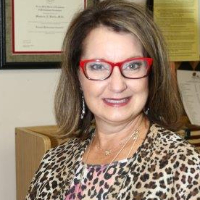
Gabriele Rebbe
LPC, LCMHC
Vermont 22 years in practice English, German
Licensed counselor - Family and parenting issues
- Stress, Anxiety
- Addictions
- Relationship
Family and parenting directory
1,518 therapists who list family or parenting also list blended family issues. All offer sessions online; each profile shows the state they are licensed in.
Compare profiles of therapists who list Blended Family Issues among their specialties, focusing on listed location, languages, credentials, and approaches. Browse profiles to identify professionals whose focus aligns with your family relationships and parenting concerns.
LPC, LCMHC
Vermont 22 years in practice English, German
Licensed counselor - Family and parenting issues
Texas 20 years in practice
Licensed Professional Counselor - Family and parenting concerns
LIMFT, LMFT
Kentucky 15 years in practice
Licensed marriage and family therapist - relationships and parenting
New York 20 years in practice English, Hindi
Licensed Mental Health Counselor - Family and relationships
LCSW
North Carolina 20 years in practice
LCSW - Family and parenting support
LCSW
Missouri 20 years in practice
Licensed Clinical Social Worker - Family and caregiving
LCSW
New York 20 years in practice
Licensed Clinical Social Worker - Family and parenting concerns
LCSW
Louisiana 19 years in practice
Licensed Clinical Social Worker - Family and relationships
LPCC
Ohio 20 years in practice
LPCC in Ohio - Stress and relationships
LPCC
Kentucky 7 years in practice
Licensed Professional Clinical Counselor - Relationships and Family Concerns
Texas 4 years in practice
Licensed Professional Counselor - Family and relationship concerns
LPC
Georgia 6 years in practice English, Spanish
Licensed Professional Counselor - Family and Parenting
LCSW
Oklahoma 30 years in practice
LCSW focused on family and grief
LCSW
North Carolina 3 years in practice
Licensed Clinical Social Worker - Family and stress concerns
LCSW-C, LCSW
Texas 35 years in practice
Licensed Clinical Social Worker - Family and relationship concerns
LCSW
Wisconsin 3 years in practice
Licensed Clinical Social Worker - Family and Parenting
Georgia 10 years in practice
Licensed Professional Counselor - Family and Parenting
IL Psychologist
Illinois 19 years in practice
Illinois Psychologist - Relationships and Parenting
LCSW, LISW-CP
South Carolina 10 years in practice
LCSW and LISW-CP - Family and parenting focus
LMSW
Michigan 20 years in practice
Licensed LMSW - Family and parenting focus
LCPC
Illinois 3 years in practice
Licensed counselor - Family and relationship support
LPC
Texas 14 years in practice
Licensed Professional Counselor - Relationship and family concerns
LCSW, LISW-CP
North Carolina 10 years in practice
Licensed clinical social worker - Family and relationship concerns
LMHC, LPC
Florida 30 years in practice
LMHC LPC - Stress and family concerns
Florida 13 years in practice
LMFT - Relationships and family support
LCSW
New Jersey 40 years in practice
LCSW in New Jersey - family and parenting concerns
LCSW-C, LICSW
Maryland 46 years in practice
LCSW-C in Maryland - stress and mood support
LMHC
Florida 15 years in practice English, Spanish
Licensed Mental Health Counselor - Family and personal concerns
LPC
Alabama 16 years in practice
Licensed Professional Counselor - Stress and Family concerns
LCSW
Missouri 44 years in practice
LCSW working with relationships and family concerns
Texas 30 years in practice
Dr. Christie Taylor, LPC - Family and parenting, Addiction and mood concerns
Texas 15 years in practice
Licensed Professional Counselor - Family and Parenting
LCSW
Texas 20 years in practice
Dr. Felicia Bennett, LCSW - Family and parenting concerns
LCPC
Illinois 38 years in practice
Licensed Clinical Professional Counselor - family and parenting
New York 20 years in practice
Licensed clinical social worker - Family and parenting focus
LCSW
Louisiana 30 years in practice
Licensed Clinical Social Worker - Family and parenting
LPC
Arizona 20 years in practice
Licensed Professional Counselor - Family and relationship concerns
LPC
Missouri 20 years in practice
Licensed counselor - family and parenting focus
LCSW, LSCSW
North Carolina 6 years in practice
Licensed Clinical Social Worker - Family and parenting focus
LPC
New Jersey 25 years in practice
Licensed Professional Counselor - Family and parenting
LPC
Michigan 20 years in practice
Licensed Professional Counselor - Family and relationship concerns
LICSW
Alabama 9 years in practice
Licensed clinician - Family and life concerns
LCSW
Texas 6 years in practice
Licensed Clinical Social Worker - Family and parenting
LPC, LCMHC
North Carolina 21 years in practice
LPC and LCMHC - Relationships and Parenting
LCSW
California 10 years in practice
Licensed Clinical Social Worker - Family and parenting
LICSW
Alabama 6 years in practice
LICSW - Family and parenting concerns
Louisiana 19 years in practice
Licensed Clinical Social Worker - Family concerns and parenting
LMFT
Minnesota 10 years in practice
LMFT in Wisconsin - Family and parenting focus
Some links on this page are partner links. We will earn a commission if you sign up through one, at no cost to you. It does not change what you pay or the order of the listings.
Blended families bring together people with different histories, expectations, and parenting practices. You may be navigating role confusion as a stepparent, negotiating boundaries with an ex-partner, managing loyalty conflicts among children, or coping with differing rules between households. These experiences can feel overwhelming when you are also balancing daily responsibilities, work, and self-care. When you look at profiles, you will find therapists who list Blended Family Issues as a focus because they work with individuals dealing with these specific stressors. That listing indicates a professional interest in the topic, not a promise of a particular outcome or a certification in any single approach. If you or a family member feels unsafe at any time, contact emergency services or a crisis line immediately; a directory listing cannot substitute for urgent help.
Your immediate needs might include reducing parenting stress, clarifying your role with your partner and stepchildren, or learning strategies to communicate with an ex. You can use the directory to find professionals whose profiles mention experience with similar transitions, parenting dynamics, or adolescent adjustment. Keep in mind that a listed topic does not necessarily mean the therapist treats children or runs sessions with multiple family members; it means they have noted an interest in blended family concerns among the issues they address with individuals.
Blended family dynamics intersect with broader family relationships and parenting concerns, and that connection is why this specialty appears within a directory focused on family and parenting. You may be seeking support for your own coping, for improving co-parent communication, or for developing parenting strategies that fit a new household structure. Therapists who list Blended Family Issues may frame their work around attachment patterns, communication skills, or conflict management as those factors often shape how blended families reorganize. The directory groups profiles by interest area so you can compare how different clinicians describe their focus, but it does not assert a causal link between one issue and another.
When you review profiles, look for language that resonates with your situation. Some professionals emphasize parenting coordination, others highlight helping individuals manage grief and identity shifts after remarriage or repartnering. Because the directory is organized around topics and specialties, you can refine your search to find profiles that speak directly to blended parenting, stepfamily boundaries, or adult adjustment to new family forms. Always discuss the scope of practice directly with any clinician you contact to confirm whether they work with the age group and the particular family dynamics relevant to you.
When comparing profiles, prepare concrete questions you can ask a therapist about their approach and experience. You might ask how they typically help an individual who feels caught between different parenting styles, or whether they have experience supporting step-parents who struggle with authority and attachment. It is useful to ask what a therapist means when they list particular approaches on their profile - for example, you can say "I saw that you list cognitive and attachment-informed approaches; how might those be used to address step-parenting stress?" Asking for examples of topics commonly explored in therapy sessions can give you a sense of their practical focus without assuming any guaranteed outcomes.
Degrees and credentials are important to check. A PhD or PsyD is an academic doctoral degree in psychology, an MD denotes a medical degree, and MA or MSW are graduate degrees in related fields. These degrees differ from professional licenses and registrations that authorize practice in a given state. When you look at profiles, verify both the therapist's academic degrees and their current license or registration that permits clinical work in your location. A degree alone does not establish permission to practice. You should ask about the therapist's experience with blended family concerns and whether they commonly work with adults, teens, or other age groups relevant to your situation.
If you are considering working with someone who lists remote or online services on their profile, there are practical topics to address before beginning. Ask whether the clinician is authorized to provide care in your state or country, and what steps they take to clarify jurisdictional rules. Discuss how they handle crisis situations if you or a family member is at immediate risk, including what local emergency resources you should use. Clarify expectations around session logistics, how records are maintained, and what communication channels are used between sessions. You may also want to know how the therapist protects your personal information and what steps they take to create a comfortable environment for sensitive conversations.
It is appropriate to ask about consent and documentation so you understand the boundaries and responsibilities of care. If you are concerned about involving children or adolescents, discuss the therapist's experience with those age groups and whether they will focus on supporting you as an individual. Always confirm licensure and permission to practice in your location since regulatory rules can affect remote care. If any part of the arrangement feels unclear or risky, request clarification before scheduling a first meeting.
Profiles offer several signals you can use to narrow your choices. Focus areas indicate the kinds of concerns a therapist lists, such as blended family dynamics, parenting stress, or adult adjustment. Languages listed on a profile matter if you prefer to speak in a language other than English. Credentials and academic degrees provide context about training pathways - remember that degrees like PhD, PsyD, MA, and MSW represent academic qualifications, whereas a license or registration indicates the legal authorization to practice. Profiles may also describe a therapist's relational style, such as whether they emphasize practical skills, reflective work on family patterns, or emotion-focused exploration. Consider what tone and pace feel most helpful to you and look for language in profiles that aligns with that preference.
When reading through profiles, imagine a few scenarios you want to address in early conversations and see which descriptions align with those concerns. Ask specific, person-centered questions when you contact someone: how they approach boundary setting in complex households, how they support a stepparent's relationship with stepchildren, or how they help an individual rebuild routines after a family transition. The directory is a starting point to compare emphasis, language ability, degrees, and approach, but you should verify licensure and the therapist's permission to work with you in your listed location. Ultimately, choosing a clinician is about fit - a profile may suggest possibilities, but the conversation you have with a therapist will clarify whether they are the right match for your needs.