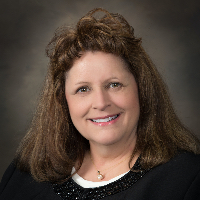
Gabriele Rebbe
LPC, LCMHC
Vermont 22 years in practice English, German
Licensed counselor - Family and parenting issues
- Stress, Anxiety
- Addictions
- Relationship
Family and parenting directory
2,010 therapists who list family or parenting also list caregiver issues and stress. All offer sessions online; each profile shows the state they are licensed in.
Browse profiles of therapists who list Family and Parenting specialties and include Caregiver Issues and Stress among their focus areas. Compare listed location, focus areas, credentials, languages and therapeutic approaches, then open individual profiles to learn more.
LPC, LCMHC
Vermont 22 years in practice English, German
Licensed counselor - Family and parenting issues
LISW
Ohio 20 years in practice
Licensed Independent Social Worker - Relationships and Parenting
Texas 20 years in practice
Licensed Professional Counselor - Family and parenting concerns
LIMFT, LMFT
Kentucky 15 years in practice
Licensed marriage and family therapist - relationships and parenting
Texas 10 years in practice
Licensed Professional Counselor - Family and parenting concerns
LPC
South Carolina 25 years in practice
LPC in South Carolina - family and parenting focus
New York 20 years in practice English, Hindi
Licensed Mental Health Counselor - Family and relationships
LMHC, LPC
Florida 6 years in practice
Licensed counselor - Family and parenting concerns
LCSW
Missouri 20 years in practice
Licensed Clinical Social Worker - Family and caregiving
LPC
Texas 22 years in practice
Licensed Professional Counselor - Family and parenting concerns
LCSW, LICSW
Minnesota 15 years in practice
Licensed Clinical Social Worker - Family and parenting focus
LCSW
Connecticut 16 years in practice
LCSW in Connecticut - family and life stress
LPC
Michigan 5 years in practice
Licensed Professional Counselor - Family and mental health
LISW
Iowa 3 years in practice
LISW - Stress and parenting focus
LCSW
Louisiana 19 years in practice
Licensed Clinical Social Worker - Family and relationships
LISW
Ohio 19 years in practice
Ohio LISW - Family and parenting concerns
LPCC
Ohio 20 years in practice
LPCC in Ohio - Stress and relationships
LPCC
Kentucky 7 years in practice
Licensed Professional Clinical Counselor - Relationships and Family Concerns
LMFT
California 11 years in practice
Licensed MFT - relationships and parenting
LCSW
Texas 8 years in practice
Licensed Clinical Social Worker - Family and parenting concerns
LPC
Colorado 7 years in practice
Licensed counselor - Family and relationships
LPC
Idaho 4 years in practice
Licensed Professional Counselor - Family and parenting concerns
LCSW
Oklahoma 30 years in practice
LCSW focused on family and grief
LCSW
North Carolina 3 years in practice
Licensed Clinical Social Worker - Family and stress concerns
LCSW
Florida 3 years in practice
Licensed Clinical Social Worker - Family and parenting concerns
LCSW-C, LCSW
Texas 35 years in practice
Licensed Clinical Social Worker - Family and relationship concerns
LMFT
Iowa 3 years in practice
LMFT in Iowa - Family and relationship concerns
Louisiana 28 years in practice
Licensed Clinical Social Worker - Stress and grief
LMSW
Michigan 20 years in practice
Licensed LMSW - Family and parenting focus
LCPC
Illinois 3 years in practice
Licensed counselor - Family and relationship support
LPC
Texas 14 years in practice
Licensed Professional Counselor - Relationship and family concerns
LCSW, LISW-CP
North Carolina 10 years in practice
Licensed clinical social worker - Family and relationship concerns
LCSW
Kentucky 5 years in practice
Licensed Clinical Social Worker - Grief and Parenting
LMHC, LPC
Florida 30 years in practice
LMHC LPC - Stress and family concerns
LMFT
California 10 years in practice
Licensed Marriage and Family Therapist - Relationships and Stress
Florida 13 years in practice
LMFT - Relationships and family support
LCSW
Florida 5 years in practice
LCSW - Stress and addiction counseling
LCSW
New Jersey 40 years in practice
LCSW in New Jersey - family and parenting concerns
LCSW-C, LICSW
Maryland 46 years in practice
LCSW-C in Maryland - stress and mood support
LPC
Alabama 16 years in practice
Licensed Professional Counselor - Stress and Family concerns
LMHC
Florida 9 years in practice
Licensed Mental Health Counselor - Relationship and Parenting
LCSW
Missouri 44 years in practice
LCSW working with relationships and family concerns
Texas 30 years in practice
Dr. Christie Taylor, LPC - Family and parenting, Addiction and mood concerns
Texas 15 years in practice
Licensed Professional Counselor - Family and Parenting
LCSW
Texas 20 years in practice
Dr. Felicia Bennett, LCSW - Family and parenting concerns
LCPC
Illinois 38 years in practice
Licensed Clinical Professional Counselor - family and parenting
New York 20 years in practice
Licensed clinical social worker - Family and parenting focus
LCSW
Texas 9 years in practice
Licensed Clinical Social Worker - Family and parenting concerns
Some links on this page are partner links. We will earn a commission if you sign up through one, at no cost to you. It does not change what you pay or the order of the listings.
When you are juggling responsibilities for children, adolescents, adult children, or aging parents, the emotional and practical demands can feel overwhelming. Caregiving-related stress often shows up as persistent fatigue, difficulty concentrating, irritability, or strained relationships at home. The ways you experience stress are shaped by family roles, past caregiving history, cultural expectations, work demands, and how parenting responsibilities are shared. Reading profiles on this page can help you find therapists who list Family and Parenting among their specialties and who also include caregiver issues and stress in their focus areas; these are professionals who describe an interest in working with individuals facing those exact pressures.
Remember that the directory groups individual profiles by what each clinician lists as focus areas. That means you can search for someone whose profile points to experience with parenting stress, caregiver burden, role transition, grief, or age-related concerns and then follow up directly with the clinician about their approach. If you are worried that someone is in immediate danger, or a child or adult is unsafe, call emergency services or your local crisis line right away rather than relying on an online search.
This directory emphasizes family relationships and parenting as primary concerns, and Caregiver Issues and Stress is one of the related focus areas highlighted on some profiles. That overlap means you will find clinicians who describe working with individuals navigating the strain of caregiving while managing parenting responsibilities or addressing conflict that grows out of those roles. The page is intended to help you compare professionals who identify these topics, not to suggest one causes the other or to imply any specific outcome.
Profiles on this site describe the clinician's self-stated focus areas, approaches, languages, and listed location. Use those profile details as starting points for a conversation. Ask how a clinician typically works with individual clients who are balancing care for a loved one and parenting duties, what kinds of problems they most often address, and whether they have experience with situations similar to yours. You should expect to speak directly with the therapist about scope of practice, and to confirm whether their work aligns with the particular stresses you are facing.
When you open a profile, think about specific questions that will give you useful information before you reach out. You might ask whether the clinician has experience working with caregivers of people with dementia, chronic illness, or disabilities, or whether they have supported parents dealing with burnout, blended family dynamics, or strained relationships with adult children. Ask how they typically help individuals manage role overload, set boundaries, or process anticipatory grief. These are practical queries that help you gauge fit without assuming any specific intervention is used.
It is also helpful to inquire about the therapeutic approaches they list. Therapists may note a range of approaches on their profiles; ask how those approaches are applied to caregiver stress and parenting-related concerns. For example, you could ask how cognitive-behavioral strategies might be used to change stress-related thinking patterns, how mindfulness or acceptance-based techniques might help with emotional regulation, or whether therapists who list trauma-informed approaches consider past caregiving traumas. Phrase questions so the clinician can describe how they tailor techniques to an individual's situation rather than assuming any particular method is guaranteed to be offered.
Before you begin sessions, have a direct conversation about boundaries, communication, and logistical details so you know what to expect. Ask about the ways the clinician organizes sessions when caregiving responsibilities interfere with scheduling, what the preferred methods are for between-session contact, and how cancellations are handled. Clarify how the clinician addresses privacy and recordkeeping, what you should do in a mental health emergency, and whether they can coordinate with other care providers when needed. Because this site lists therapists by their stated focus areas, you can use the profile to flag topics to cover in that initial conversation.
Another important topic is licensure and permission to practice where you live. Educational degrees such as PhD, PsyD, MD, MA or MSW communicate academic background, but they do not by themselves indicate a current professional license or registration. Ask whether the clinician holds an active license in your state or jurisdiction and whether they are authorized to work with you in your listed location. If language access matters to you, confirm which languages the therapist uses in clinical work and whether interpretation is available if required.
Comparing profiles effectively means looking beyond a single phrase and reading the way a clinician describes their work. Note the specific caregiver situations and parenting challenges they reference, whether they mention experience with adult children, blended families, eldercare transitions, or end-of-life issues. Pay attention to the kinds of questions they encourage prospective clients to ask. Profiles that explain the clinician's typical client goals and the kinds of struggles they address will help you decide which clinicians to contact.
Consider language and cultural competence as part of fit. If you prefer therapy in a language other than English, focus on profiles that list those languages. If cultural context is important - for example caregiving expectations within a particular community or faith tradition - ask whether the clinician has relevant experience or whether they collaborate with community resources. You should also look at how clinicians present their credentials. Degrees indicate education; licenses or registrations indicate legal permission to practice. When you find a profile that seems promising, verify licensing and whether the clinician is authorized to practice in your area before making decisions.
Finally, assess style and approach. Some clinicians describe a direct, problem-focused style that emphasizes skill building and coping strategies. Others emphasize a reflective process that explores meaning, past relationships, and identity, which can be useful when caregiving duties intersect with long-term family patterns. Ask how a clinician measures progress, what you might expect in early sessions, and how they adjust their work if your caregiving role changes over time. Use the profiles to narrow your options and then contact clinicians to discuss specifics so you can find a fit that aligns with your needs and circumstances.
Use the therapist listings on this page to compare profiles by listed focus areas, approaches, languages, and credentials. Prepare a short list of concrete questions tailored to your situation and reach out to clinicians whose descriptions match your primary concerns. If at any time you believe someone is at immediate risk of harm, call emergency services or your local crisis line rather than waiting to make an appointment. Verifying licensure and permission to practice in your jurisdiction and discussing scope of practice directly with a clinician will help you make an informed choice about where to begin.