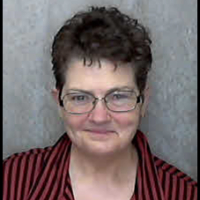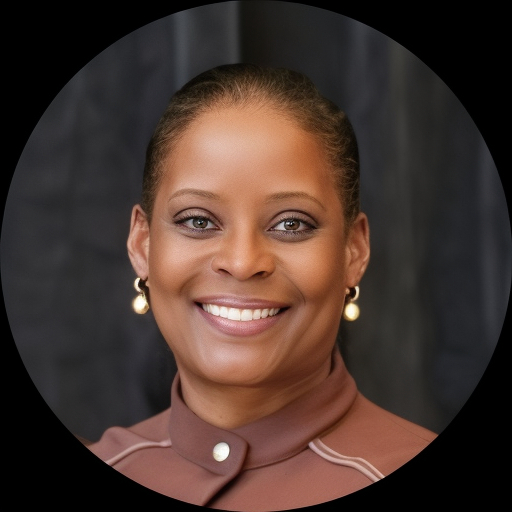
Gabriele Rebbe
LPC, LCMHC
Vermont 22 years in practice English, German
Licensed counselor - Family and parenting issues
- Stress, Anxiety
- Addictions
- Relationship
Family and parenting directory
1,108 therapists who list family or parenting also list domestic violence. All offer sessions online; each profile shows the state they are licensed in.
This page brings together therapist profiles that list domestic violence alongside family relationships and parenting. Compare listed focus areas, therapeutic approaches, languages, and credentials, then browse profiles to learn more about each professional.
LPC, LCMHC
Vermont 22 years in practice English, German
Licensed counselor - Family and parenting issues
New York 20 years in practice English, Hindi
Licensed Mental Health Counselor - Family and relationships
LCSW
North Carolina 20 years in practice
LCSW - Family and parenting support
LMHC, LPC
Florida 6 years in practice
Licensed counselor - Family and parenting concerns
LPC
Texas 22 years in practice
Licensed Professional Counselor - Family and parenting concerns
LCSW
Connecticut 16 years in practice
LCSW in Connecticut - family and life stress
LCSW
North Dakota 3 years in practice
LCSW - Relationships and Parenting
LPC
Michigan 5 years in practice
Licensed Professional Counselor - Family and mental health
LPCC
Ohio 20 years in practice
LPCC in Ohio - Stress and relationships
LPC
Louisiana 24 years in practice
Licensed Professional Counselor - Family and parenting focus
LCSW-C, LCSW
Texas 35 years in practice
Licensed Clinical Social Worker - Family and relationship concerns
LCSW
Wisconsin 3 years in practice
Licensed Clinical Social Worker - Family and Parenting
Georgia 10 years in practice
Licensed Professional Counselor - Family and Parenting
IL Psychologist
Illinois 19 years in practice
Illinois Psychologist - Relationships and Parenting
LCSW, LISW-CP
South Carolina 10 years in practice
LCSW and LISW-CP - Family and parenting focus
LPC
Texas 14 years in practice
Licensed Professional Counselor - Relationship and family concerns
LCSW, LISW-CP
North Carolina 10 years in practice
Licensed clinical social worker - Family and relationship concerns
Florida 13 years in practice
LMFT - Relationships and family support
LPC
Arizona 20 years in practice
Licensed Professional Counselor - Family and parenting concerns
LCSW-C, LICSW
Maryland 46 years in practice
LCSW-C in Maryland - stress and mood support
LMHC
Florida 15 years in practice English, Spanish
Licensed Mental Health Counselor - Family and personal concerns
LPC
Alabama 16 years in practice
Licensed Professional Counselor - Stress and Family concerns
LCSW
Missouri 44 years in practice
LCSW working with relationships and family concerns
LCSW
Texas 20 years in practice
Dr. Felicia Bennett, LCSW - Family and parenting concerns
LCPC
Illinois 38 years in practice
Licensed Clinical Professional Counselor - family and parenting
LCSW
Louisiana 30 years in practice
Licensed Clinical Social Worker - Family and parenting
LPC
Missouri 20 years in practice
Licensed counselor - family and parenting focus
LPC
Texas 5 years in practice
Licensed Professional Counselor - Family and relationship concerns
LCSW, LSCSW
North Carolina 6 years in practice
Licensed Clinical Social Worker - Family and parenting focus
LPC
New Jersey 25 years in practice
Licensed Professional Counselor - Family and parenting
LCSW
Texas 6 years in practice
Licensed Clinical Social Worker - Family and parenting
LPC, LCMHC
North Carolina 21 years in practice
LPC and LCMHC - Relationships and Parenting
LPCC
Ohio 6 years in practice
Ohio LPCC - Stress and parenting support
LPC
Georgia 14 years in practice
Licensed Professional Counselor - Family and parenting concerns
LPC
Georgia 25 years in practice
Licensed Professional Counselor - Family and parenting issues
LPC
Alabama 9 years in practice
Alabama LPC - Family and parenting concerns
LPC
Michigan 12 years in practice
Licensed Professional Counselor - Family and Parenting
Michigan 15 years in practice
Dr. Audrey Berdeski, LPC - Stress and Relationship support
South Carolina 11 years in practice
Licensed Professional Counselor - Family and parenting focus
LPC
Texas 12 years in practice
LPC in Texas - relationships and family concerns
LPC
Michigan 22 years in practice
Licensed Professional Counselor - Family and parenting topics
LMHC
Florida 32 years in practice English, Spanish
Dr. Moises Ramy, LMHC - Family and parenting, relationship concerns
LCMHC
Utah 10 years in practice
Licensed Clinical Mental Health Counselor - Family and parenting related concerns
LPCC
Ohio 33 years in practice
Ohio LPCC - Family and parenting focus
LCMFT
Kansas 35 years in practice
LCMFT in Kansas - relationships and family
LMSW
Michigan 28 years in practice
LMSW - Relationship and family concerns
LMFT
Minnesota 4 years in practice
LMFT - Relationships and family concerns
LCSW
New York 9 years in practice
LCSW - family and relationship concerns
Some links on this page are partner links. We will earn a commission if you sign up through one, at no cost to you. It does not change what you pay or the order of the listings.
When you are searching for help related to domestic violence and parenting, it helps to start by naming the issues that matter most to you. You might be dealing with safety planning, parenting stress after a relationship change, navigating co-parenting with an abusive partner, helping adult children who experienced family harm, or managing the emotional effects of past violence. The word domestic violence covers a range of experiences, and the ways it touches parenting and family relationships vary. Some people contact a therapist to process their own trauma symptoms, others to build coping strategies for day-to-day parenting responsibilities, and others to strengthen communication skills for single parenting or blended family life. As you review profiles, note how a therapist describes their focus areas in relation to parenting and family relationships so you can match those descriptions to the needs you named for yourself.
Domestic violence can intersect with parenting in many ways without implying a single cause or a single pathway to help. Children may respond differently depending on their age and temperament, and adult parents who have experienced violence may be managing fear, mistrust, or complicated grief while trying to meet caregiving demands. You should expect profile information to indicate that a therapist lists domestic violence as a focus area or an additional emphasis; that listing does not by itself mean they treat children, couples, or entire families unless a profile explicitly states that scope. When reading profiles, pay attention to language describing work with individuals, parenting-related concerns, or trauma-related symptoms. If there is immediate danger to you or someone else, call 911 or your local emergency services, or contact the nearest crisis hotline for urgent assistance before exploring therapeutic options.
Concrete questions help you compare therapists' approaches and professional backgrounds. You can ask a clinician how they describe their experience addressing the specific parenting or family-related problem you face, and whether they list related approaches among their methods. For example, you might ask whether they work with adults who have lived through interpersonal violence or whether they have experience supporting parents managing post-traumatic reactions while caring for children. Ask about the kinds of approaches they list on their profile and how those approaches might be applied to parenting concerns. A profile may show that a therapist lists EMDR among their approaches; that note is an invitation to ask how and when they use techniques they have listed, rather than a guarantee of a particular treatment path. Be explicit about what you want to focus on in sessions so you can learn how the therapist frames their work with individual clients who are parenting or rebuilding relationships after violence. Also ask about the clinician's work with people from backgrounds similar to yours if cultural understanding or language is important to you.
If you are considering remote sessions, have a conversation before you begin about logistics and safety. Discuss how the therapist handles information-sharing boundaries of communications in their practice, how they assess immediate safety concerns during an online meeting, and what steps they recommend if someone is in danger while you are on a call. Confirm the therapist's listed location and whether they have permission to provide care to people in your state or country, since licensing rules vary and affect where a clinician may lawfully practice. You can also ask what platform or technology the clinician uses and what to do if a connection is interrupted during a session. If children might be present during your calls, talk about boundaries for participation or observation and how to arrange a comfortable environment for you to speak during a session. Finally, agree on an emergency plan that includes local resources you can access if an urgent situation arises, because a clinician may not be able to intervene directly across jurisdictions.
Profiles on this site typically list focus areas, approaches, languages spoken, educational degrees, and professional licenses. Use those fields to make side-by-side comparisons that matter to you. Focus areas tell you whether a therapist lists domestic violence together with parenting or family relationship concerns, which can indicate a familiarity with the intersection you are dealing with. Language information can be critical if you prefer to speak in a language other than English; confirm the languages shown on a profile and ask during initial contact whether the therapist conducts sessions in those languages. When you see academic degrees such as PhD, PsyD, MD, MA, or MSW, understand that a degree describes an educational credential and is not the same as a professional license or registration. Degrees do not, by themselves, establish whether a person has current permission to practice where you live. Always verify licensure and whether a clinician can legally work with you in your listed location. Style and approach are other useful comparison points. Profiles often list approaches a therapist uses, so you can think about how those frameworks might fit your preferences and then ask clinicians to describe how they apply them to individual parenting or family-related concerns. While profiles can help you narrow options, plan to discuss in an initial conversation how a therapist would frame goals with you, what a typical session might focus on, and how progress is reviewed. This will give you a clearer sense of fit beyond what appears in a profile.
As you move from reading profiles to contacting clinicians, carry the questions and comparisons you developed along with your list of priorities for parenting and family relationships. Confirm licensing and permission to practice in your region, ask about relevant experience, and describe the particular parenting or safety-related concerns you want to address. Remember that a profile entry that lists domestic violence or parenting is a starting point for a conversation, not a promise of specific services. Take the time to find a clinician whose listed focus areas, approaches, and communication style align with what you need, and reach out to begin a dialogue about how they might work with you as an individual navigating these complex issues.