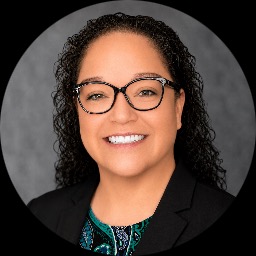
Gabriele Rebbe
LPC, LCMHC
Vermont 22 years in practice English, German
Licensed counselor - Family and parenting issues
- Stress, Anxiety
- Addictions
- Relationship
Family and parenting directory
1,569 therapists who list family or parenting also list family of origin issues. All offer sessions online; each profile shows the state they are licensed in.
This page groups therapist profiles that list Family of Origin Issues alongside family relationships and parenting. Visitors can compare listed location, focus areas, approaches, languages, academic degrees, and professional licenses.
Browse profiles to explore clinicians to contact and be sure to verify each therapist's license and permission to work in your location before beginning care.
LPC, LCMHC
Vermont 22 years in practice English, German
Licensed counselor - Family and parenting issues
LMFT
Georgia 7 years in practice
LMFT - Family and parenting focus
Texas 20 years in practice
Licensed Professional Counselor - Family and parenting concerns
LIMFT, LMFT
Kentucky 15 years in practice
Licensed marriage and family therapist - relationships and parenting
New York 20 years in practice English, Hindi
Licensed Mental Health Counselor - Family and relationships
LCSW
North Carolina 20 years in practice
LCSW - Family and parenting support
LPC
Texas 22 years in practice
Licensed Professional Counselor - Family and parenting concerns
LCSW, LICSW
Minnesota 15 years in practice
Licensed Clinical Social Worker - Family and parenting focus
LCSW
Connecticut 16 years in practice
LCSW in Connecticut - family and life stress
LCSW
Louisiana 19 years in practice
Licensed Clinical Social Worker - Family and relationships
LISW
Ohio 19 years in practice
Ohio LISW - Family and parenting concerns
LPCC
Kentucky 7 years in practice
Licensed Professional Clinical Counselor - Relationships and Family Concerns
LPC
Louisiana 24 years in practice
Licensed Professional Counselor - Family and parenting focus
Texas 4 years in practice
Licensed Professional Counselor - Family and relationship concerns
LMFT
California 11 years in practice
Licensed MFT - relationships and parenting
LPC
Colorado 7 years in practice
Licensed counselor - Family and relationships
LCSW-C, LCSW
Texas 35 years in practice
Licensed Clinical Social Worker - Family and relationship concerns
LMFT
Florida 18 years in practice
LMFT - Family and parenting concerns
Georgia 10 years in practice
Licensed Professional Counselor - Family and Parenting
IL Psychologist
Illinois 19 years in practice
Illinois Psychologist - Relationships and Parenting
LMSW
Michigan 20 years in practice
Licensed LMSW - Family and parenting focus
LCSW, LISW-CP
North Carolina 10 years in practice
Licensed clinical social worker - Family and relationship concerns
LMHC, LPC
Florida 30 years in practice
LMHC LPC - Stress and family concerns
Florida 13 years in practice
LMFT - Relationships and family support
LPC
Arizona 20 years in practice
Licensed Professional Counselor - Family and parenting concerns
LCSW-C, LICSW
Maryland 46 years in practice
LCSW-C in Maryland - stress and mood support
LMHC
Florida 15 years in practice English, Spanish
Licensed Mental Health Counselor - Family and personal concerns
LPC
Alabama 16 years in practice
Licensed Professional Counselor - Stress and Family concerns
LCSW
New York 11 years in practice
Licensed clinical social worker - Family and trauma
LCSW
New York 8 years in practice English, Spanish
LCSW - Family concerns and self-esteem
LCSW
Missouri 44 years in practice
LCSW working with relationships and family concerns
Texas 30 years in practice
Dr. Christie Taylor, LPC - Family and parenting, Addiction and mood concerns
LCPC
Illinois 38 years in practice
Licensed Clinical Professional Counselor - family and parenting
New York 20 years in practice
Licensed clinical social worker - Family and parenting focus
LPC
Texas 10 years in practice
Licensed Professional Counselor - Family and Relationships
LCSW
Texas 9 years in practice
Licensed Clinical Social Worker - Family and parenting concerns
LCSW
Louisiana 30 years in practice
Licensed Clinical Social Worker - Family and parenting
LPC
Arizona 20 years in practice
Licensed Professional Counselor - Family and relationship concerns
LPC
Texas 7 years in practice
Licensed Professional Counselor - Family and parenting focus
LPCC
Kentucky 5 years in practice
LPCC in Kentucky - Addictions and Family
LPC
Missouri 20 years in practice
Licensed counselor - family and parenting focus
LMHC, LPC
New York 17 years in practice English, Spanish
Licensed counselor - Family and relationships
LCSW, LSCSW
North Carolina 6 years in practice
Licensed Clinical Social Worker - Family and parenting focus
LPC
New Jersey 25 years in practice
Licensed Professional Counselor - Family and parenting
LICSW
Alabama 9 years in practice
Licensed clinician - Family and life concerns
LCSW
Texas 6 years in practice
Licensed Clinical Social Worker - Family and parenting
LPC, LCMHC
North Carolina 21 years in practice
LPC and LCMHC - Relationships and Parenting
LCPC, LPCC
Maryland 14 years in practice
LCPC and LPCC - Relationships and Family concerns
Some links on this page are partner links. We will earn a commission if you sign up through one, at no cost to you. It does not change what you pay or the order of the listings.
When you think about patterns that shape how families function, Family of Origin Issues often appear as recurring themes that influence communication, expectations, and responses to stress. These issues can include the ways caregivers modeled conflict, boundaries, caregiving roles, emotional expression, or the unspoken rules you grew up with. While the directory groups therapists who list Family of Origin Issues with parenting and family relationship concerns, this association does not imply a single cause-and-effect pathway. Your family history may be one of several factors that affect your current experience as a parent or adult child.
You may be seeking support because the things you experienced growing up show up now in how you set boundaries, manage discipline, or relate to partners and extended family. Therapists who list Family of Origin Issues among their focuses can offer a space to explore those patterns as they relate to your present goals. Remember that these listings do not establish the exact services a therapist provides, so you should discuss with any clinician how they typically work with individual adults on parenting-related concerns.
Adults come to therapy with a variety of concerns tied to family relationships and parenting. You might be dealing with intergenerational conflict, blended family adjustments, parenting stress that echoes your upbringing, or the emotional complexity of supporting aging parents while raising children. Therapists in this category generally work with individuals to address how past family dynamics affect current feelings and behaviors. They do not necessarily provide family or couples sessions unless a profile explicitly says so, so be sure to clarify the scope of their work in initial conversations.
If you or someone else faces immediate danger, it is important to contact emergency services or 911 right away. Therapy is not a substitute for urgent medical, legal, or crisis intervention. When preparing to reach out to a therapist, think about the specific situations you want to address, such as recurring conflicts with a co-parent, difficulty setting boundaries with an adult child, or patterns that repeat across relationships. Having concrete examples helps you and the therapist evaluate fit and focus during early contacts.
When you review profiles, it helps to have precise questions that reveal how a therapist typically works and whether their focus aligns with your needs. You can ask whether they regularly work with adults who want to explore how family of origin patterns influence parenting and relationships. Ask which approaches they list among their methods and request examples of how those approaches are applied to parenting or intergenerational concerns. Use language such as therapists who list EMDR among their approaches, or those who include cognitive and behavioral frameworks, as starting points for discussion rather than assuming any particular qualification.
It is also reasonable to ask about the clinician's experience with situations like blended family transitions, estrangement from adult children, or caregiving for aging parents while parenting younger children. Ask how they describe their therapeutic style - for example, whether they tend to be more exploratory and reflective or more directive and skills-focused - and how they typically structure work with an individual client. Clarify the kinds of goals they help people set and what a typical course of individual-focused work might involve for someone with parenting-related concerns.
If you are considering remote sessions, there are practical and ethical topics worth discussing before you begin. Confirm that the therapist has permission to provide services in the jurisdiction where you are located, since licensing and registration rules vary across states and regions. Ask how the therapist handles privacy practices for online meetings and whether they recommend a quiet space in your home for sessions, particularly if you will address sensitive family topics.
Talk about how the clinician manages crisis planning when work touches on strong emotions or safety concerns. Find out what steps they advise if you become distressed between sessions, and whether they can provide referrals for local emergency or crisis services. Also clarify any expectations about communication between sessions, including how they use messages or brief check-ins, and whether there are limits on the kinds of concerns they will address between appointments. Bringing these topics up early helps you set boundaries and reduces uncertainty about how remote work will proceed.
Comparing profiles purposefully makes it easier to identify clinicians who match your priorities. Look at the focus areas listed to see whether a profile mentions parenting concerns, adult children, blended families, caregiving for aging parents, or intergenerational trauma in addition to Family of Origin Issues. Note the languages a therapist lists if communicating in your preferred language is important to you. Language match can affect how comfortably you describe complex family histories and cultural expectations.
Pay attention to academic degrees such as PhD, PsyD, MD, MA, or MSW as distinct from professional licenses or registrations. A degree indicates a level of academic training but does not by itself confirm current permission to practice. Ask each therapist to state the licenses or registrations they hold and whether those credentials authorize them to provide care in your location. Consider the clinician's described style and whether it fits how you like to work - whether you prefer a therapist who helps you develop concrete strategies for parenting challenges or one who helps you explore how past experiences shape meaning in your life.
Finally, remember that a topic listed on a profile does not guarantee a therapist treats children, couples, or families. These profiles describe therapists who list Family of Origin Issues among their specialties for adults seeking help with parenting and family relationships. Use initial inquiries to confirm scope of practice, including whether a clinician accepts work that involves court contexts, consultation with other professionals, or coordination with pediatric or family services if that is relevant for your situation. Comparing profiles carefully and asking direct questions about focus areas, language, degrees, and licensure will help you identify which professionals to contact for more detailed conversations about fit and next steps.