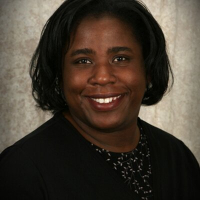
Gabriele Rebbe
LPC, LCMHC
Vermont 22 years in practice English, German
Licensed counselor - Family and parenting issues
- Stress, Anxiety
- Addictions
- Relationship
Family and parenting directory
2,734 therapists who list family or parenting also list forgiveness. All offer sessions online; each profile shows the state they are licensed in.
Compare therapists who list Forgiveness as a focus area to help you navigate family relationships and parenting challenges. Browse profiles to review listed location, credentials, languages, and therapeutic approaches to find a potential match.
LPC, LCMHC
Vermont 22 years in practice English, German
Licensed counselor - Family and parenting issues
LMFT
Georgia 7 years in practice
LMFT - Family and parenting focus
Texas 20 years in practice
Licensed Professional Counselor - Family and parenting concerns
LPC
South Carolina 25 years in practice
Licensed Professional Counselor - Relationships and Family
LIMFT, LMFT
Kentucky 15 years in practice
Licensed marriage and family therapist - relationships and parenting
LPC
South Carolina 25 years in practice
LPC in South Carolina - family and parenting focus
New York 20 years in practice English, Hindi
Licensed Mental Health Counselor - Family and relationships
LCSW
North Carolina 20 years in practice
LCSW - Family and parenting support
LMHC, LPC
Florida 6 years in practice
Licensed counselor - Family and parenting concerns
LPC
Texas 25 years in practice
Licensed Professional Counselor - Relationships and Parenting
LPC
Texas 22 years in practice
Licensed Professional Counselor - Family and parenting concerns
LCSW
Virginia 26 years in practice
LCSW - Family and relationship concerns
LCSW, LICSW
Minnesota 15 years in practice
Licensed Clinical Social Worker - Family and parenting focus
LPC
Missouri 5 years in practice
Licensed Professional Counselor - Family and anxiety support
LCSW
Connecticut 16 years in practice
LCSW in Connecticut - family and life stress
LCSW
California 10 years in practice
LCSW - stress and family concerns
LPC
Michigan 5 years in practice
Licensed Professional Counselor - Family and mental health
LCSW
Louisiana 19 years in practice
Licensed Clinical Social Worker - Family and relationships
LISW
Ohio 19 years in practice
Ohio LISW - Family and parenting concerns
LPC
Texas 6 years in practice
Licensed Professional Counselor - Family and mental health
LPCC
Ohio 20 years in practice
LPCC in Ohio - Stress and relationships
LCSW
Florida 27 years in practice
LCSW in Florida - Family and relationship concerns
LPCC
Kentucky 7 years in practice
Licensed Professional Clinical Counselor - Relationships and Family Concerns
LCPC
Maryland 4 years in practice
Licensed Clinical Professional Counselor - Family and career concerns
Texas 4 years in practice
Licensed Professional Counselor - Family and relationship concerns
LPC
Colorado 7 years in practice
Licensed counselor - Family and relationships
LCSW
Florida 3 years in practice
Licensed Clinical Social Worker - Family and parenting concerns
LPC
Texas 17 years in practice
Licensed Professional Counselor - Family and parenting
LCSW-C, LCSW
Texas 35 years in practice
Licensed Clinical Social Worker - Family and relationship concerns
LMFT
California 18 years in practice English, Russian
Licensed Marriage and Family Therapist - Parenting and Stress
LMHC, LPC
Pennsylvania 10 years in practice English, Hebrew
LMHC LPC - Stress and family concerns
LMFT
Florida 18 years in practice
LMFT - Family and parenting concerns
Georgia 10 years in practice
Licensed Professional Counselor - Family and Parenting
IL Psychologist
Illinois 19 years in practice
Illinois Psychologist - Relationships and Parenting
LCSW
New Jersey 40 years in practice
LCSW - Stress and Family Concerns
Alabama 14 years in practice
Dr. Keshawna Swinton LPC - Relationships and Family
LMFT
Iowa 3 years in practice
LMFT in Iowa - Family and relationship concerns
LICSW
Alabama 3 years in practice
LICSW - Family and parenting support
LCSW, LISW-CP
South Carolina 10 years in practice
LCSW and LISW-CP - Family and parenting focus
Georgia 8 years in practice
Licensed Professional Counselor - Family and parenting concerns
LPC
Michigan 25 years in practice
Licensed Professional Counselor - Parenting and Life Concerns
LMSW
Michigan 20 years in practice
Licensed LMSW - Family and parenting focus
LPC
Texas 14 years in practice
Licensed Professional Counselor - Relationship and family concerns
LCSW, LISW-CP
North Carolina 10 years in practice
Licensed clinical social worker - Family and relationship concerns
LMHC, LPC
Florida 30 years in practice
LMHC LPC - Stress and family concerns
LMFT
California 10 years in practice
Licensed Marriage and Family Therapist - Relationships and Stress
Florida 13 years in practice
LMFT - Relationships and family support
LPC
Arizona 20 years in practice
Licensed Professional Counselor - Family and parenting concerns
Some links on this page are partner links. We will earn a commission if you sign up through one, at no cost to you. It does not change what you pay or the order of the listings.
When you are dealing with hurt, disappointment, or repeated conflicts in a family - whether with a partner, an adult child, an aging parent, or a co-parent - forgiveness often appears as a personal and relational concern. You might be weighing whether to let go of resentment, wondering how to set boundaries after a breach of trust, or trying to parent with clarity while carrying past grievances. These experiences are common and can feel isolating, yet they are not a simple moral decision. Forgiveness can involve complex emotions, practical choices, and a reworking of expectations about a relationship. As you look for support, you will likely want a therapist who understands both the emotional landscape of forgiveness and the specific pressures of parenting and family roles. Therapists who list Forgiveness among their focuses may help you explore your values, the potential costs and benefits of reconciliation, and how to proceed in ways that reflect your priorities. If you or someone is in immediate danger, call 911 or your local emergency services right away.
Forgiveness and family dynamics influence each other, but one does not automatically cause the other. Parenting stress, blended family transitions, or caregiving responsibilities can make unresolved hurts more prominent, and unresolved hurts can shape how you interact as a parent or family member. Rather than assuming that forgiveness will fix ongoing problems, think of it as one area you may choose to address alongside communication, boundary setting, and practical problem solving. When you read therapist profiles on this page, you will see a range of ways practitioners describe their work. Some may say they focus on repairing trust, while others emphasize helping you make decisions about contact and boundaries. These descriptions do not guarantee outcomes, nor do they prove a therapist treats children, couples, or families just because Forgiveness is listed. You should discuss your specific family structure and goals directly with any therapist whose profile interests you so you can understand whether their focus aligns with what you need.
As you compare profiles, prepare concrete questions that will clarify how a therapist approaches forgiveness-related concerns. You can ask how they typically work with parents who are coping with resentment toward a co-parent or adult child, or whether they have experience supporting people managing grief and anger tied to family roles. Ask which approaches they list among their methods and how those approaches are applied to parenting and family issues. For example, some therapists list cognitive behavioral approaches, narrative therapy, attachment-based perspectives, emotion-focused work, or mindfulness-informed practices among their approaches. Asking how these approaches might be used in sessions will help you understand the therapist's orientation without assuming they use every technique listed on a profile. You should also inquire about experience that matters to your situation. Request the therapist's degree information - PhD, PsyD, MD, MA, MSW, or other degrees - and ask what license they hold, such as psychologist, clinical social worker, marriage and family therapist, or licensed professional counselor. Remember that a degree is not the same thing as a license or permission to practice; ask for the license type and the state or jurisdiction in which it is valid. You can ask for examples of the kinds of family or parenting concerns they have worked with and how they define the boundaries of their work when referrals to other services may be appropriate.
If you are considering remote sessions, raise practical questions up front so you know what to expect. Ask whether the therapist provides care to people in your state or jurisdiction, since licensing rules determine where a professional may legally offer services. Verify how they handle scheduling differences across time zones and what platform or communication methods they use for sessions. It is appropriate to ask how they would manage urgent concerns that arise between sessions and what steps they take if a participant expresses intent to harm themselves or someone else. If there is immediate risk of harm, call 911 or your local emergency number. Also discuss the therapist's approach to information-sharing boundaries boundaries and record keeping in a general way without assuming any particular system. You may want to know how they protect your conversations and whether they explain limits of privacy at the start of care. Ask whether they have experience working with people coping with co-parenting conflict, estrangement, or the emotional aftermath of difficult family decisions, and how they typically structure work focused on forgiveness-related topics. These conversations help you set expectations and assess whether the therapist's style fits your needs.
When you browse profiles on this page, look beyond a single keyword and consider the combination of factors that matter to you. Compare focus areas to see whether a therapist lists both Forgiveness and relevant family or parenting topics, and read how they describe the intersection of those focuses. Look at listed languages if communicating in a particular language is important, and note whether the profile mentions experience with specific family forms - for example, blended families, single parenting, or caregiving for aging relatives. These details can point you toward therapists who are more likely to understand the context you bring. Examine credentials carefully. Profiles will often list academic degrees such as PhD, PsyD, MD, MA, or MSW alongside professional licenses. Ask the therapist to clarify the license type and the state where it is held, because the degree alone does not indicate current permission to practice. Think about therapeutic style too - some therapists describe work as more directive and skills-based, while others emphasize reflection and narrative exploration. Concrete questions you can use when reviewing profiles include: Which family and parenting issues do you commonly address in your work? What degree and license do you hold, and in which states are you authorized to practice? Which languages do you offer services in? How would you describe your typical style when working on forgiveness-related issues? How do you decide when to refer a client to other supports? Ultimately, reading profiles with these comparison questions in mind will help you identify practitioners whose focus areas, language skills, credentials, and therapeutic style align with your priorities. After you find profiles that seem like a potential match, reach out to discuss your situation directly and confirm the details that matter most to you. Remember that a listed topic does not guarantee that a therapist treats children, couples, or families, so it is important to ask whether they work with the specific people and issues you need help addressing. If urgent safety concerns exist, contact emergency services immediately. Otherwise, use the information on profiles and your conversation with a therapist to make an informed decision about next steps.