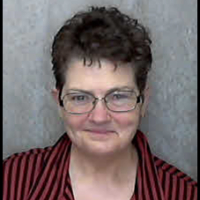
Gabriele Rebbe
LPC, LCMHC
Vermont 22 years in practice English, German
Licensed counselor - Family and parenting issues
- Stress, Anxiety
- Addictions
- Relationship
Family and parenting directory
1,394 therapists who list family or parenting also list infidelity. All offer sessions online; each profile shows the state they are licensed in.
This page groups profiles of therapists who list Infidelity among their focus areas alongside family relationships and parenting. Use the profiles to compare credentials, therapeutic approaches, languages, and listed location as you decide whom to contact.
LPC, LCMHC
Vermont 22 years in practice English, German
Licensed counselor - Family and parenting issues
LMFT
Georgia 7 years in practice
LMFT - Family and parenting focus
Texas 20 years in practice
Licensed Professional Counselor - Family and parenting concerns
LIMFT, LMFT
Kentucky 15 years in practice
Licensed marriage and family therapist - relationships and parenting
LPC
Alabama 5 years in practice
Alabama LPC focused on family and relationships
New York 20 years in practice English, Hindi
Licensed Mental Health Counselor - Family and relationships
LMHC, LPC
Florida 6 years in practice
Licensed counselor - Family and parenting concerns
LCSW
New York 20 years in practice
Licensed Clinical Social Worker - Family and parenting concerns
LCSW
Connecticut 16 years in practice
LCSW in Connecticut - family and life stress
LPC
Michigan 5 years in practice
Licensed Professional Counselor - Family and mental health
LCSW
Louisiana 19 years in practice
Licensed Clinical Social Worker - Family and relationships
LISW
Ohio 19 years in practice
Ohio LISW - Family and parenting concerns
LPCC
Ohio 20 years in practice
LPCC in Ohio - Stress and relationships
LPC
Colorado 7 years in practice
Licensed counselor - Family and relationships
LCSW
North Carolina 3 years in practice
Licensed Clinical Social Worker - Family and stress concerns
LPC
Texas 17 years in practice
Licensed Professional Counselor - Family and parenting
LCSW-C, LCSW
Texas 35 years in practice
Licensed Clinical Social Worker - Family and relationship concerns
LMFT
California 18 years in practice English, Russian
Licensed Marriage and Family Therapist - Parenting and Stress
IL Psychologist
Illinois 19 years in practice
Illinois Psychologist - Relationships and Parenting
LMSW
Michigan 20 years in practice
Licensed LMSW - Family and parenting focus
LMHC
Iowa 8 years in practice
Licensed Mental Health Counselor - Relationship and Family concerns
LPC
Texas 14 years in practice
Licensed Professional Counselor - Relationship and family concerns
LCSW, LISW-CP
North Carolina 10 years in practice
Licensed clinical social worker - Family and relationship concerns
Florida 13 years in practice
LMFT - Relationships and family support
LCSW
New Jersey 40 years in practice
LCSW in New Jersey - family and parenting concerns
LPC
Georgia 42 years in practice
Licensed Professional Counselor - Relationships and Family Issues
LISW
Ohio 22 years in practice
LISW - Family and relationship concerns
LCSW-C, LICSW
Maryland 46 years in practice
LCSW-C in Maryland - stress and mood support
LMHC
Florida 15 years in practice English, Spanish
Licensed Mental Health Counselor - Family and personal concerns
LPC
Alabama 16 years in practice
Licensed Professional Counselor - Stress and Family concerns
LCSW
New York 8 years in practice English, Spanish
LCSW - Family concerns and self-esteem
LCSW
Missouri 44 years in practice
LCSW working with relationships and family concerns
Texas 30 years in practice
Dr. Christie Taylor, LPC - Family and parenting, Addiction and mood concerns
LCPC
Illinois 38 years in practice
Licensed Clinical Professional Counselor - family and parenting
New York 20 years in practice
Licensed clinical social worker - Family and parenting focus
LPC
Arizona 20 years in practice
Licensed Professional Counselor - Family and relationship concerns
LPC
Missouri 10 years in practice
Licensed Professional Counselor - Stress and Relationships
LCSW, LSCSW
North Carolina 6 years in practice
Licensed Clinical Social Worker - Family and parenting focus
LPC
New Jersey 25 years in practice
Licensed Professional Counselor - Family and parenting
LICSW
Alabama 9 years in practice
Licensed clinician - Family and life concerns
LPC, LCMHC
North Carolina 21 years in practice
LPC and LCMHC - Relationships and Parenting
LPC
Texas 13 years in practice
LPC in Texas - Family and parenting concerns
LCSW
California 10 years in practice
Licensed Clinical Social Worker - Family and parenting
LICSW, LCSW, CSW
Georgia 7 years in practice
Licensed clinical social worker - family and parenting focus
LPC
Georgia 25 years in practice
Licensed Professional Counselor - Family and parenting issues
LCSW
New Jersey 8 years in practice
Licensed Clinical Social Worker - Family and parenting focus
LPC
Alabama 9 years in practice
Alabama LPC - Family and parenting concerns
LCSW
New York 10 years in practice
LCSW in New York - Addictions and Parenting
Some links on this page are partner links. We will earn a commission if you sign up through one, at no cost to you. It does not change what you pay or the order of the listings.
Discovering or addressing infidelity can change how you experience parenting, co-parenting, blended family life, or relationships with adult children and aging parents. You may be looking to process shock, manage anger, repair routines that affect children, or decide what boundaries you want in a co-parenting arrangement. These are common concerns people bring to individual therapy when their focus includes Infidelity and family relationships. When you read profiles, keep in mind that the therapists listed on this page indicate Infidelity as a focus area; that listing does not, by itself, establish specialist certification, a particular training, or a guarantee of outcomes.
Because the directory centers on family relationships and parenting, many of the profiles you see will also reference parenting, family stress, blended families, and related concerns. If your priority is how an incident or pattern of infidelity affects parenting or household roles, look for language in profiles that mentions parenting stress, co-parenting, or blended family dynamics. If safety is a concern for you or a family member, call local emergency services or crisis lines right away; do not rely on directory listings for urgent help.
Infidelity may intersect with parenting and family life in many different ways, but a listing of Infidelity on a therapist's profile does not mean it caused a particular parenting challenge. Some people seek help to navigate the emotional fallout and practical decisions that affect children and household routines. Others want to examine patterns in communication, trust, or boundary setting that show up across relationships. Therapists who list family relationships and parenting among their specialties are indicating areas they address in relation to Infidelity and other stressors. That said, a focus area on a profile is informational rather than diagnostic or prescriptive.
When you read profiles, notice how therapists describe the overlap between Infidelity and parenting concerns. Some profiles may emphasize emotional processing and coping with grief, while others may emphasize helping you clarify parenting agreements or adjusting daily roles. The wording in a profile can help you determine whether the therapist frames Infidelity primarily as an interpersonal rupture, a source of trauma, a trigger for parenting stress, or some combination. Use that framing to decide which profiles you want to learn more about, keeping in mind that the profile text is a starting point for conversation, not a substitute for asking direct questions.
When you contact a therapist whose profile interests you, prepare specific questions that help you compare how they work and whether their focus matches your needs. Ask how they describe their approach to working with someone dealing with Infidelity and how that approach might relate to parenting concerns. You can inquire whether they typically help individuals explore personal emotions and coping strategies, assist with communication skills that affect children, or help people plan changes to parenting arrangements. Ask whether they list particular approaches among their methods and what that means in practice for your care. For example, you might ask how a therapist who lists emotion-focused approaches or trauma-informed approaches integrates those perspectives when the presenting concern involves parenting and family life.
Also ask concrete questions about experience with relevant populations and settings. Ask if they have worked with parents, blended families, or adult children dealing with Infidelity and family stress. Ask what kinds of goals they commonly set with clients in similar situations, and what indicators they use to assess progress. You can also ask about their education and credentials by distinguishing degrees from licenses; for example, note whether a profile lists a PhD, PsyD, MD, MA, or MSW and then ask what professional license they hold and whether that license authorizes them to provide mental health services in your state or jurisdiction. Degrees indicate academic training, while licenses indicate legal permission to practice, and they are not interchangeable.
If you are considering remote or online sessions, there are practical topics to cover before beginning. Ask whether the therapist is licensed or otherwise authorized to work with people in your listed location and whether they are willing to provide services across state or national lines in your circumstance. Discuss how to handle emergencies that might arise during an online session and what your therapist’s plan is if you or someone in your household is in immediate danger. Clarify technology expectations, such as which platforms they use, whether sessions may be recorded, and how they manage privacy protections and data handling for your sessions. Because language preferences can be important when discussing sensitive personal matters, confirm which languages the therapist lists and whether they are comfortable conducting sessions in your preferred language.
It can also help to ask practical questions about logistics that affect your ability to participate. Ask about session length, what a typical first few sessions focus on, and what kinds of materials or homework - if any - they might recommend between sessions. If you are parenting young children, discuss how interruptions will be handled and whether the therapist has suggestions for managing childcare during sessions. These conversations are about making sure the therapist’s way of working aligns with your circumstances and needs rather than about asserting specific clinical outcomes.
Profiles are most useful when you read them with particular comparison points in mind. Start by checking whether a profile lists Infidelity alongside family relationships or parenting, and read the language used to describe those focus areas. Look for mentions of particular populations, such as parents, step-parents, or adult children, so you can assess fit with your situation. Pay attention to any listed languages so you can determine whether the therapist can communicate in a language you are comfortable using. Language considerations often influence how easily you can express complex emotions and details, which matters when dealing with trust and family dynamics.
Next, note how credentials are presented on the profile. If you see degrees like PhD, PsyD, MD, MA, or MSW, remember that those indicate academic or professional education. Follow up by asking which professional license or registration the therapist holds and whether that license grants permission to practice in your listed location. Finally, evaluate style cues in the profile - whether the tone suggests a more structured, skills-based approach or a reflective, exploratory style - and think about which fits your way of working. Read descriptions of approaches as options to discuss rather than proof of training; for example, you might encounter therapists who list cognitive-behavioral, psychodynamic, emotion-focused, or trauma-informed approaches among their methods. These listings signal what the therapist offers for conversation when you reach out, and comparing them can help you identify profiles to contact for an initial conversation about your needs.
Choosing a therapist is a personal process, and profiles on this page are a starting point to help you compare how practitioners present their work on Infidelity in relation to family relationships and parenting. Use the profiles to identify potential matches, prepare specific questions, and confirm credentials and permission to practice in your location before beginning care. If you face immediate danger or a crisis, contact emergency services or your local crisis line instead of relying on directory listings for urgent assistance.