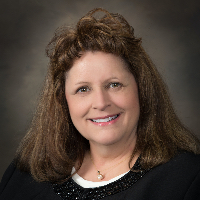
Gabriele Rebbe
LPC, LCMHC
Vermont 22 years in practice English, German
Licensed counselor - Family and parenting issues
- Stress, Anxiety
- Addictions
- Relationship
Family and parenting directory
2,604 therapists who list family or parenting also list isolation / loneliness. All offer sessions online; each profile shows the state they are licensed in.
Compare therapists who list Isolation / Loneliness along with family relationships and parenting to find professionals whose backgrounds match your needs. Browse profiles to review listed location, languages, credentials, focus areas, and therapeutic approaches.
LPC, LCMHC
Vermont 22 years in practice English, German
Licensed counselor - Family and parenting issues
LMFT
Georgia 7 years in practice
LMFT - Family and parenting focus
LIMFT, LMFT
Kentucky 15 years in practice
Licensed marriage and family therapist - relationships and parenting
Texas 10 years in practice
Licensed Professional Counselor - Family and parenting concerns
LPC
South Carolina 25 years in practice
LPC in South Carolina - family and parenting focus
New York 20 years in practice English, Hindi
Licensed Mental Health Counselor - Family and relationships
LCSW
North Carolina 20 years in practice
LCSW - Family and parenting support
LMHC, LPC
Florida 6 years in practice
Licensed counselor - Family and parenting concerns
LCSW
Missouri 20 years in practice
Licensed Clinical Social Worker - Family and caregiving
LPC
Texas 25 years in practice
Licensed Professional Counselor - Relationships and Parenting
New York 25 years in practice
LMHC in New York - Relationships and Parenting
LPC
Texas 22 years in practice
Licensed Professional Counselor - Family and parenting concerns
LCSW
Virginia 26 years in practice
LCSW - Family and relationship concerns
LPC
Missouri 5 years in practice
Licensed Professional Counselor - Family and anxiety support
LCSW
Connecticut 16 years in practice
LCSW in Connecticut - family and life stress
LCSW
California 10 years in practice
LCSW - stress and family concerns
LPC
Michigan 5 years in practice
Licensed Professional Counselor - Family and mental health
LCSW
Louisiana 19 years in practice
Licensed Clinical Social Worker - Family and relationships
LISW
Ohio 19 years in practice
Ohio LISW - Family and parenting concerns
LPC
Texas 6 years in practice
Licensed Professional Counselor - Family and mental health
LPCC
Ohio 20 years in practice
LPCC in Ohio - Stress and relationships
LCSW
Florida 27 years in practice
LCSW in Florida - Family and relationship concerns
LPC
Colorado 7 years in practice
Licensed counselor - Family and relationships
LCSW
North Carolina 3 years in practice
Licensed Clinical Social Worker - Family and stress concerns
LCSW
Florida 3 years in practice
Licensed Clinical Social Worker - Family and parenting concerns
LPC
Texas 17 years in practice
Licensed Professional Counselor - Family and parenting
LCSW-C, LCSW
Texas 35 years in practice
Licensed Clinical Social Worker - Family and relationship concerns
LMFT
California 18 years in practice English, Russian
Licensed Marriage and Family Therapist - Parenting and Stress
LMFT
Florida 18 years in practice
LMFT - Family and parenting concerns
Georgia 10 years in practice
Licensed Professional Counselor - Family and Parenting
IL Psychologist
Illinois 19 years in practice
Illinois Psychologist - Relationships and Parenting
Alabama 14 years in practice
Dr. Keshawna Swinton LPC - Relationships and Family
LICSW
Alabama 3 years in practice
LICSW - Family and parenting support
Louisiana 28 years in practice
Licensed Clinical Social Worker - Stress and grief
LPC
Michigan 25 years in practice
Licensed Professional Counselor - Parenting and Life Concerns
LMSW
Michigan 20 years in practice
Licensed LMSW - Family and parenting focus
LPC
Texas 14 years in practice
Licensed Professional Counselor - Relationship and family concerns
LCSW, LISW-CP
North Carolina 10 years in practice
Licensed clinical social worker - Family and relationship concerns
LMHC, LPC
Florida 30 years in practice
LMHC LPC - Stress and family concerns
LMFT
California 10 years in practice
Licensed Marriage and Family Therapist - Relationships and Stress
Florida 13 years in practice
LMFT - Relationships and family support
LCSW
Florida 5 years in practice
LCSW - Stress and addiction counseling
LCSW
New Jersey 40 years in practice
LCSW in New Jersey - family and parenting concerns
LCSW
California 25 years in practice
Licensed Clinical Social Worker - Family and relationship concerns
LCSW-C, LICSW
Maryland 46 years in practice
LCSW-C in Maryland - stress and mood support
LMHC
Florida 15 years in practice English, Spanish
Licensed Mental Health Counselor - Family and personal concerns
LPC
Alabama 16 years in practice
Licensed Professional Counselor - Stress and Family concerns
LCSW
New York 8 years in practice English, Spanish
LCSW - Family concerns and self-esteem
Some links on this page are partner links. We will earn a commission if you sign up through one, at no cost to you. It does not change what you pay or the order of the listings.
If you are feeling isolated while managing parenting responsibilities, caring for aging parents, or navigating blended family dynamics, it can help to know what to look for when choosing a therapist. The therapists listed on ParentingTherapists.org include clinicians who identify Isolation / Loneliness among their focus areas alongside family and parenting concerns. This article explains common experiences people bring to therapy, how isolation may relate to parenting and family roles, practical questions to ask about approach and experience, what to cover before starting online care, and how to compare profiles by focus areas, languages, credentials, and therapeutic style.
You might notice isolation as persistent feelings of being disconnected from others, difficulty finding emotional support, or a sense that parenting responsibilities have cut you off from friendships and community. For some people isolation comes after a major life change - a new baby, a move, a separation, or an adult child leaving home. For others, the experience is more gradual - increasing distance from relatives, fewer social interactions because of caregiving duties, or the erosion of supports that used to feel reliable. In parenting contexts isolation can make everyday stressors feel heavier and reduce the time and energy you have for self-care. It is important to remember that feeling lonely does not mean there is something wrong with you, and it does not automatically mean you need family or couples therapy. The therapists you will find on this page are listed as helping individuals with family and parenting-related concerns, and you can explore profiles to learn who describes experience relevant to your situation.
Isolation and loneliness can influence how you relate to children, partners, co-parents, and extended family, but the relationship is not always straightforward. You may find that less social contact leaves you with fewer alternatives for childcare or emotional support, increasing stress around parenting tasks. In other cases, longstanding family conflict or caretaking burdens can contribute to withdrawal from social life. Because directory listings combine family or parenting specialties with Isolation / Loneliness as a focus, use profiles to distinguish which clinicians describe experience with the specific patterns you are encountering. Some therapists may note experience working with new parents coping with isolation, others may list support for adult children dealing with distance from parents, and some may emphasize transitions such as divorce or relocation. None of these listings guarantees a particular treatment approach or outcome, and therapists listed here are described as working with individuals on family and parenting concerns rather than automatically offering family or couples sessions. If you or someone else is in immediate danger or at risk of harming themselves or others, call 911 or your local emergency number right away.
When you review a profile or reach out to a clinician, clear and concrete questions will help you assess fit. Ask how the therapist describes their work with individuals experiencing loneliness related to parenting - do they emphasize helping you build social supports, managing anxiety and mood, or practical problem solving around childcare and boundaries? Ask whether they have experience with situations similar to yours, such as caring for a chronically ill parent, parenting after a breakup, or adjusting to a new sibling in the household. Clarify whether they list particular approaches among their methods and frame those as options to discuss - for example, therapists who list cognitive-behavioral approaches, mindfulness-informed methods, or trauma-informed perspectives among their approaches can explain what that might mean for your sessions. Confirm whether they work with adults on parenting concerns rather than offering family or couples services, unless their profile explicitly states otherwise. Also ask about language preferences and cultural competence if that is important to you, and whether they have experience with the age range or life stage you are focused on. Remember that academic degrees such as PhD, PsyD, MD, MA, or MSW describe educational background; you should also verify the clinician's professional license or registration and that they have permission to practice in your state or country.
If you are considering online sessions, there are a handful of practical topics to cover before beginning. Confirm the therapist's listed location and whether they have permission to provide care to people in your state or country, since licensure and practice rules vary. Ask how they structure telehealth sessions so you understand typical session length and the mode of communication they prefer, and discuss what you will need to do on your end to create a comfortable environment for privacy and focus. Make clear how they manage emergencies or situations where someone is at risk, and what local resources they would suggest if immediate help is needed. If technology or connectivity could be a barrier for you, bring that up and ask what alternatives they recommend. Talk about scheduling norms and communication expectations for administrative matters, but avoid asking about therapist availability - that is operational information not summarized on this page. These conversations help you make an informed choice and set the groundwork for a helpful working relationship.
Profiles on ParentingTherapists.org let you compare clinicians by the focus areas they list - for example, Isolation / Loneliness together with parenting stress, adult child-parent relationships, or caregiving for aging parents. Read the profile summaries and approach descriptions to see which practitioners emphasize practical skill-building, emotional processing, or systems-level coaching as part of their work with individuals. Look for explicit mentions of population focus, such as new parents, single parents, or those navigating blended families, and note the languages listed so you can find clinicians who can speak in the language you prefer. Pay attention to academic degrees like PhD, PsyD, MD, MA, or MSW and then verify whether the clinician holds a current professional license or registration relevant to your location. Profiles may list therapeutic approaches; remember to treat those listings as conversation starters rather than proof of specific training. Finally, consider style and tone - some clinicians highlight a practical, skills-oriented approach while others emphasize reflective exploration or relational themes - and choose a profile that feels like a match for how you prefer to work. You can use listed location information to find someone who practices in a region relevant to you and then confirm licensure and practice permissions directly with the clinician before beginning care.
Choosing a therapist is a personal decision, and the profiles on this page are intended to help you compare professionals who list Isolation / Loneliness alongside family relationships and parenting. Use the information in profiles to generate concrete questions, verify credentials and permission to practice, and find a clinician whose approach and experience align with the challenges you want to address.