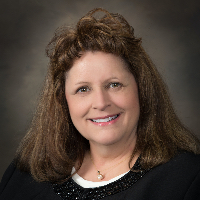
Gabriele Rebbe
LPC, LCMHC
Vermont 22 years in practice English, German
Licensed counselor - Family and parenting issues
- Stress, Anxiety
- Addictions
- Relationship
Family and parenting directory
1,734 therapists who list family or parenting also list panic disorder and panic attacks. All offer sessions online; each profile shows the state they are licensed in.
Browse profiles of therapists who list Panic Disorder and Panic Attacks alongside family and parenting concerns. You can compare listed focus areas, approaches, languages, credentials and practice locations to find profiles that match your needs.
Use the grid below to begin reviewing profiles and follow the links to contact individual practitioners to ask specific questions about their background and how they work with parents and caregivers.
LPC, LCMHC
Vermont 22 years in practice English, German
Licensed counselor - Family and parenting issues
LMFT
Georgia 7 years in practice
LMFT - Family and parenting focus
Texas 20 years in practice
Licensed Professional Counselor - Family and parenting concerns
LIMFT, LMFT
Kentucky 15 years in practice
Licensed marriage and family therapist - relationships and parenting
Texas 10 years in practice
Licensed Professional Counselor - Family and parenting concerns
LPC
South Carolina 25 years in practice
LPC in South Carolina - family and parenting focus
New York 20 years in practice English, Hindi
Licensed Mental Health Counselor - Family and relationships
LCSW
North Carolina 20 years in practice
LCSW - Family and parenting support
LMHC, LPC
Florida 6 years in practice
Licensed counselor - Family and parenting concerns
LPC
Texas 25 years in practice
Licensed Professional Counselor - Relationships and Parenting
LPC
Texas 22 years in practice
Licensed Professional Counselor - Family and parenting concerns
LCSW
Virginia 26 years in practice
LCSW - Family and relationship concerns
LCSW, LICSW
Minnesota 15 years in practice
Licensed Clinical Social Worker - Family and parenting focus
LPC
Missouri 5 years in practice
Licensed Professional Counselor - Family and anxiety support
LISW
Iowa 3 years in practice
LISW - Stress and parenting focus
LCSW
Louisiana 19 years in practice
Licensed Clinical Social Worker - Family and relationships
LPC
Texas 6 years in practice
Licensed Professional Counselor - Family and mental health
LPCC
Ohio 20 years in practice
LPCC in Ohio - Stress and relationships
LCSW
Florida 27 years in practice
LCSW in Florida - Family and relationship concerns
LPC
Louisiana 24 years in practice
Licensed Professional Counselor - Family and parenting focus
LPC
Colorado 7 years in practice
Licensed counselor - Family and relationships
LPC
Texas 17 years in practice
Licensed Professional Counselor - Family and parenting
LCSW-C, LCSW
Texas 35 years in practice
Licensed Clinical Social Worker - Family and relationship concerns
LMFT
California 18 years in practice English, Russian
Licensed Marriage and Family Therapist - Parenting and Stress
Georgia 10 years in practice
Licensed Professional Counselor - Family and Parenting
IL Psychologist
Illinois 19 years in practice
Illinois Psychologist - Relationships and Parenting
Louisiana 28 years in practice
Licensed Clinical Social Worker - Stress and grief
Georgia 8 years in practice
Licensed Professional Counselor - Family and parenting concerns
LMSW
Michigan 20 years in practice
Licensed LMSW - Family and parenting focus
LCSW, LISW-CP
North Carolina 10 years in practice
Licensed clinical social worker - Family and relationship concerns
LMHC, LPC
Florida 30 years in practice
LMHC LPC - Stress and family concerns
LMFT
California 10 years in practice
Licensed Marriage and Family Therapist - Relationships and Stress
LCSW
Florida 5 years in practice
LCSW - Stress and addiction counseling
LCSW
New Jersey 40 years in practice
LCSW in New Jersey - family and parenting concerns
LCSW
California 25 years in practice
Licensed Clinical Social Worker - Family and relationship concerns
LCSW-C, LICSW
Maryland 46 years in practice
LCSW-C in Maryland - stress and mood support
LPC
Alabama 16 years in practice
Licensed Professional Counselor - Stress and Family concerns
LCSW
Indiana 26 years in practice
Licensed Clinical Social Worker - Family and parenting
LCSW
New York 8 years in practice English, Spanish
LCSW - Family concerns and self-esteem
LMHC
Washington 22 years in practice
LMHC - Stress and relationship support
Texas 30 years in practice
Dr. Christie Taylor, LPC - Family and parenting, Addiction and mood concerns
LCPC
Illinois 38 years in practice
Licensed Clinical Professional Counselor - family and parenting
New York 20 years in practice
Licensed clinical social worker - Family and parenting focus
LCSW
Texas 9 years in practice
Licensed Clinical Social Worker - Family and parenting concerns
LPC
Arizona 20 years in practice
Licensed Professional Counselor - Family and relationship concerns
LPC
Texas 7 years in practice
Licensed Professional Counselor - Family and parenting focus
LPC
Oregon 30 years in practice
LPC counselor - Family and relationship concerns
LCSW
Utah 35 years in practice
Licensed Clinical Social Worker - Family and parenting
Some links on this page are partner links. We will earn a commission if you sign up through one, at no cost to you. It does not change what you pay or the order of the listings.
If you experience panic attacks or have a diagnosis of panic disorder, the symptoms can affect how you relate to children, co-parents, or aging relatives. You might notice heightened worry about managing responsibilities, increased avoidance of certain situations that involve your family, or difficulty concentrating when caregiving demands are high. Those effects do not mean that parenting or relationship dynamics caused the panic. Many people live with panic attacks for reasons that include biology, stress, and life history. What matters most is identifying supports that help you manage symptoms while attending to family responsibilities in ways that feel manageable.
When you look for help, you may be thinking about specific parenting stresses such as night wakings, separation from a child at daycare, conflict about discipline, or caretaking for an older parent. Therapists who list Panic Disorder and Panic Attacks among their specialties often work with adults who have these concerns in addition to family-focused stress. Reviewing profiles can help you find professionals who mention experience working with parents, caregivers, or people managing household responsibilities alongside anxiety-related symptoms.
This page groups profiles of clinicians who indicate Panic Disorder and Panic Attacks as a specialty or additional focus area, together with family or parenting concerns. That grouping signals areas the clinician lists on their profile, not certification, guaranteed methods, or outcomes. Profiles include a listed location and information the therapist chose to share, such as degrees, licensure labels, languages, and approaches they list. You should use that information as a starting point to ask targeted questions about fit rather than as a substitute for a direct conversation.
Because profiles vary in the level of detail, you may find some clinicians who describe work with parents in depth and others who note parental concerns more briefly. The directory is intended to help you narrow options so you can contact individual profiles to learn whether the clinician’s experience and scope match your needs. Before contacting anyone, remember to verify that the clinician’s license permits practice in your state or region and whether their listed location aligns with your preference for in-person or remote care.
When you reach out to a clinician, having concrete questions will help you understand how they work and whether their focus aligns with your needs. Ask whether they have experience helping adults who juggle parenting or caregiving responsibilities while managing panic symptoms, and request examples of the kinds of issues they typically address. Inquire about the approaches they list on their profile by asking how those approaches tend to be applied to panic-related concerns. For example, you might ask how a clinician uses the strategies they list to address sudden panic attacks versus ongoing worry about future attacks.
Distinguish academic degrees from licensure by asking about both. You can ask what degrees the clinician holds - for example PhD, PsyD, MD, MA, or MSW - and then ask which professional license they maintain and where that license authorizes practice. A degree alone does not guarantee current permission to practice. You can also ask about experience with specific parenting scenarios such as blended families, raising children with behavioral challenges, managing teenage transitions, or coordinating care for aging parents. Finally, ask about the populations they commonly see and whether they work with individuals who are solely focused on their own coping strategies rather than couples or family therapy, unless the profile explicitly states otherwise.
If you plan to reach out for a remote conversation or begin care online, clarify practical and safety-related matters before you start. Ask what platform or method the clinician uses for remote sessions and how your communications and records are protected. Discuss how they handle emergencies during remote contacts and whether they will require an emergency contact and a local emergency plan. If you or someone in your household is at risk of harm, call 911 or your local emergency number immediately; these profiles are not a substitute for immediate help.
Talk about logistical questions that matter for parenting and family life. You may want to ask how clinicians accommodate childcare interruptions, whether they discuss scheduling strategies for busy caregivers, and how they incorporate parenting goals into treatment when appropriate. If you have concerns about working with a clinician who is located in a different state or country, verify whether their license permits practice where you live. Also ask about language preferences and whether they can provide services in a language you and your family use regularly.
Comparing profiles is most useful when you look at concrete signals of fit rather than vague claims. Read how a clinician describes the populations they work with and the common concerns they address. Look for mentions of family- and parenting-related challenges if those are important to you, but do not assume that a listed topic means the clinician treats children or runs family sessions. Use the listed location to determine whether they are based where you expect, and note the languages they report if communicating in a language you are fluent in matters for rapport and nuance.
When you review credentials, separate academic degrees from licensed status. A profile that lists a PhD, PsyD, MD, MA, or MSW tells you about the clinician’s academic background. A profile that lists a license type - such as Licensed Clinical Social Worker, Licensed Professional Counselor, or Licensed Psychologist - describes the regulatory permission that matters for clinical practice in a given jurisdiction. Ask the clinician to confirm their licensure status and whether that license allows them to work with you in your location.
Style and therapeutic approach are also important to compare. Profiles often list approaches such as cognitive-behavioral methods, mindfulness-informed care, trauma-informed perspectives, or other frameworks. Phrase your questions to learn how an approach is used in practice - for example, by asking how they tailor strategies for a busy parent managing panic attacks around caregiving tasks. Remember that a listed approach is not evidence of specific training or certification; it is a label the clinician uses to describe their orientation. The best next step is a short conversation with the clinician to assess whether their communication style, focus areas, and ways of working align with the demands of your parenting or family situation.
As you move from browsing to making contact, keep your priorities in mind. Think about the parenting or family stresses that matter most to you - for instance, evening routines, co-parenting conflict, support for a teen, or caring for an aging parent - and ask potential clinicians how they have supported adults facing similar situations. Confirm licensure and permission to practice in your locale, and ask practical questions about how they handle remote communication, scheduling around caregiving responsibilities, and emergency planning. If immediate danger is present for you or someone in your care, call 911 or local emergency services right away. Otherwise, use the profile details and a brief introductory conversation to determine whether a clinician’s focus and approach make sense for the support you are seeking.