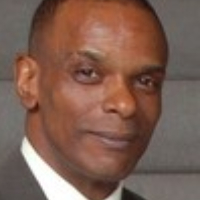
- LCSW, Connecticut
- 6597 · runs to May 2026
- NPI
- 1942476817 · national provider identifier
- Years in practice
- 30
- Languages
- English
As listed on John's public professional profile. A license can be checked with the state board that issued it, and an NPI with the national registry.
About John
John Ward is a Licensed Clinical Social Worker (LCSW) practicing in Connecticut with 30 years of experience. He lists help for addictions, substance use, stress, anxiety, relationship concerns, trauma and grief among his main focus areas. He also notes work around parenting, fatherhood issues, and communication problems.
He uses practical, strengths-focused methods in sessions. That means he looks for skills and resources a person already has and helps apply them to current problems.
Background and approach
He offers direct feedback and sets clear steps clients can try between meetings. The goal is to make change manageable and realistic for everyday life. Over three decades he has worked in state government and in independent practice.
That background includes social work roles and alcohol and drug counseling. Those varied settings have shaped his approach to both mental health and substance use concerns. His methods draw on Acceptance and Commitment Therapy, Cognitive Behavioral Therapy, Dialectical Behavior Therapy, Emotionally-Focused Therapy, and Client-Centered Therapy.
He combines ideas from these approaches to address things like anxiety, anger, addiction, and relationship stress. Sessions focus on skills, behavior changes, and clearer communication. People who come for help can expect a practical tone in sessions.
Conversations often include planning small steps, practicing new ways of responding, and reviewing progress. John emphasizes building on what already works for the client and making adjustments that fit daily life.
What John works with
Copied from John's public professional profile, in the words used there. It is what John lists, not a ranking or an assessment.
- Addictions
- Anger management
- Stress, Anxiety
- Relationship issues
- Family conflicts
- Trauma and abuse
- Grief
- Intimacy-related issues
- Parenting issues
- Self esteem
- Career difficulties
- Bipolar disorder
- Depression
- Coping with life changes
- Coaching
- Compassion fatigue
- Communication problems
- Drug and alcohol addiction
- Fatherhood issues
- Guilt and shame
- Men's issues
- Social anxiety and phobia
Approaches John names
- Acceptance and Commitment Therapy (ACT)
- Client-Centered Therapy
- Cognitive Behavioral Therapy (CBT)
- Dialectical Behavior Therapy (DBT)
- Emotionally-Focused Therapy (EFT)
- Mindfulness Therapy
- Motivational Interviewing
- Narrative Therapy
- Psychodynamic Therapy
- Solution-Focused Therapy
- Trauma-Focused Therapy
Naming an approach is not evidence of training in it. This directory shows what each therapist lists and does not check training records.
How his approaches translate to online work
Acceptance and Commitment Therapy (ACT) helps people notice unhelpful thoughts and commit to actions that match their values. It is useful for stress, anxiety, and making changes in difficult situations. Cognitive Behavioral Therapy (CBT) focuses on spotting unhelpful thinking and testing new behaviors. It is often used for anxiety, depression, and managing addictive urges. Emotionally-Focused Therapy (EFT) centers on recognizing and naming emotions to improve how people relate and communicate during tense moments. Finding the right approach is part of the first sessions. The therapist and client review goals, preferences, and what has helped in the past, then choose methods to try together. That collaborative planning can include mixing techniques from ACT, CBT, DBT or EFT depending on the need. Confirm the current session formats before booking so you know what options are offered. Online work can make it easier to fit therapy around childcare, work breaks, or travel. It can also allow for shorter check-ins when time is limited, or sessions without video when bandwidth or camera time is a problem. Talk about what will fit your day-to-day life and the therapist will adapt session pacing and focus accordingly.Questions people ask about John
What kinds of issues does he address?
He lists addictions, anxiety, stress, relationship and family concerns, trauma, grief, parenting and related issues such as fatherhood problems and substance use.
What is his therapeutic style?
Sessions are strengths-focused and practical, using feedback and stepwise planning to help people apply skills to everyday problems.
How much experience does he have?
He has 30 years of combined experience in social work and addictions counseling across state government roles and independent practice.
What credentials and location are listed?
He is a CT LCSW practicing in Connecticut.
Which languages are supported?
Sessions are offered in English.
Can international clients work with him?
He does not accept international clients at this time.
How are fees handled?
Cost varies with location; sessions use a subscription that can be canceled at any time.
How do I begin the process?
Select the See online therapy options button, complete a short matching questionnaire, and schedule a first session.
More therapists in Connecticut
Everyone in Connecticut
Gregory Page
LCSW
Connecticut 16 years in practice
LCSW in Connecticut - family and life stress
- Stress, Anxiety
- Addictions
- Anger
Suzanne Tyghter
LCSW
Connecticut 19 years in practice
LCSW - Family and stress support
- Stress, Anxiety
- Grief
- Self esteem

Sandra Ramos
LCSW
Connecticut 11 years in practice
LCSW - Relationships and family concerns
- Stress, Anxiety
- Relationship
- Depression
Surnames under W · everyone in the directory whose surname starts with W
Is this your profile?
Ask us to correct a detail or take the page down.
Contact us