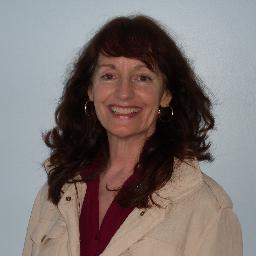
Linda Cousens, LCPC
Licensed Clinical Professional Counselor - Family and parenting focus
- LCPC, Maine
- CC4939 · runs to January 2028
- NPI
- 1528462926 · national provider identifier
- Years in practice
- 22
- Languages
- English
As listed on Linda's public professional profile. A license can be checked with the state board that issued it, and an NPI with the national registry.
About Linda
Linda Cousens is a Licensed Clinical Professional Counselor (LCPC) in Maine with 22 years of experience. She helps people dealing with stress, anxiety, relationship strain, trauma and abuse, self-esteem issues, and coping with life changes. Her work also covers addictions, LGBT concerns, grief, intimacy issues, eating problems, anger, career questions, depression, coaching, and compassion fatigue.
She spent more than two decades in counseling, including over 11 years in independent practice.
Background and approach
Linda uses a mix of approaches and picks methods that match a person's goals. Sessions focus on practical steps, talking through what matters, and building skills to handle day-to-day challenges. Her academic background includes a master’s degree in counseling and a Certificate of Advanced Study.
Linda holds the LCPC credential, which is shown here as ME LCPC. She works in Maine and conducts sessions in English. In sessions she tends to blend approaches like Acceptance and Commitment Therapy, Cognitive Behavioral Therapy, and client-centered techniques.
That means clients can expect to look at thoughts and behaviors, practice present-moment skills, and steer decisions toward what they value. People often come to work on immediate problems and longer-term patterns. Linda aims to help clarify goals, develop practical coping tools, and support steady change.
To begin, clients complete a short matching questionnaire and schedule a first session using the online therapy options button.
What Linda works with
Copied from Linda's public professional profile, in the words used there. It is what Linda lists, not a ranking or an assessment.
- Stress, Anxiety
- Relationship issues
- Trauma and abuse
- Self esteem
- Coping with life changes
- Addictions
- LGBT
- Family conflicts
- Grief
- Intimacy-related issues
- Eating disorders
- Anger management
- Career difficulties
- Depression
- Coaching
- Compassion fatigue
Approaches Linda names
- Acceptance and Commitment Therapy (ACT)
- Client-Centered Therapy
- Cognitive Behavioral Therapy (CBT)
- Dialectical Behavior Therapy (DBT)
- Existential Therapy
- Mindfulness Therapy
- Motivational Interviewing
- Psychodynamic Therapy
- Solution-Focused Therapy
- Trauma-Focused Therapy
Naming an approach is not evidence of training in it. This directory shows what each therapist lists and does not check training records.
How therapeutic approaches are used in online sessions
Acceptance and Commitment Therapy (ACT) encourages people to notice thoughts and feelings without getting stuck in them, then take steps that match their values. It can help with anxiety, depression, and life changes by focusing on meaningful action rather than only changing feelings.Cognitive Behavioral Therapy (CBT) looks at the links between thoughts, feelings, and behaviors. It breaks problems into manageable steps, offers tools for changing unhelpful thinking patterns, and is often used for anxiety, depression, and stress.
Client-Centered Therapy emphasizes listening and working from the client’s priorities. The therapist follows the client’s lead, supports self-understanding, and helps clarify goals for practical change.
Finding the right approach is part of the process. The therapist will work together with the client to decide which methods fit best based on current needs, goals, and preferences. That collaborative planning can include trying a method for a few sessions and adjusting as needed.
The biography does not specify which session formats are offered online, so confirm current options before booking. In general, online sessions can make it easier to fit therapy into daily life - for example shorter check-ins during a break, avoiding travel time, or choosing audio rather than video when bandwidth is limited. These practical benefits can help people keep momentum while working on stress, relationships, or coping skills.
Questions people ask about Linda
What concerns does she address most often?
She works with stress, anxiety, relationship issues, trauma and abuse, self-esteem, coping with life changes, and related concerns such as grief, addictions, and career stress.
How does she approach therapy?
Her style mixes practical strategies and client-centered conversation. She uses methods like ACT, CBT, DBT, existential ideas, and mindfulness depending on the situation.
How long has she been practicing?
She has 22 years of experience in the counseling field, including over 11 years working in independent practice.
Where is she based and what are her credentials?
She is based in Maine and holds the LCPC credential listed as ME LCPC. Sessions are conducted in English.
Can people who live outside the United States work with her?
She does not accept international clients at this time.
What session formats are available?
Specific session formats are not listed in the biography; please confirm the current session options before booking.
How much do sessions cost?
Cost varies with location and sessions use a subscription model that can be canceled at any time.
How do I get started?
Select the See online therapy options button, complete a short matching questionnaire, and schedule a first session.
More therapists in Maine
Everyone in Maine
Annette Nelligan
LCPC, LMFT
Maine 30 years in practice
Licensed therapist - Relationship and family support
- Relationship
- Self esteem
- Coping with life changes
Jean Hair
LCSW
Maine 26 years in practice
LCSW - Family and parenting support
- Stress, Anxiety
- Trauma and abuse
- Self esteem

Joseph Graham
LCSW
Maine 14 years in practice
LCSW - Family and relationship concerns
- Stress, Anxiety
- Addictions
- Relationship
Surnames under C · everyone in the directory whose surname starts with C
Is this your profile?
Ask us to correct a detail or take the page down.
Contact us