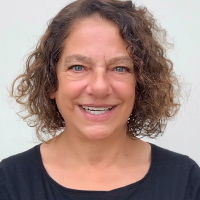
Duane Drew
LCMHC
New Hampshire 14 years in practice
LCMHC in New Hampshire - Family and relationship concerns
- Stress, Anxiety
- Addictions
- Anger
Family and parenting directory
12 therapists based in New Hampshire list family or parenting among the things they work with. Sessions are online; a US therapist can usually only see people in a state where they hold a license, so check the license card on each profile.
These profiles are grouped under the listed location New Hampshire so visitors can compare clinicians who list family relationships and parenting among their specialties. Use the profile summaries to review credentials, focus areas, languages, and approaches, then browse the profiles below to learn more.
LCMHC
New Hampshire 14 years in practice
LCMHC in New Hampshire - Family and relationship concerns
LCMHC
New Hampshire 3 years in practice
Licensed counselor - family and relationship support
LCSW
New Hampshire 18 years in practice
Licensed Clinical Social Worker - Family and parenting
LICSW, LCSW
North Carolina 15 years in practice
LICSW LCSW - Family and relationship support
LCPC, LCMHC
New Hampshire 11 years in practice
Licensed counselor - Family and addiction concerns
LCMHC
New Hampshire 20 years in practice
Licensed Clinical Mental Health Counselor - Family and stress care
LCSW, LICSW
Massachusetts 10 years in practice
LICSW in New Hampshire - Family and parenting focus
LPC, LCMHC
Pennsylvania 10 years in practice
Licensed counselor - family and parenting focus
LCSW
New Hampshire 28 years in practice
Licensed Clinical Social Worker - Family and Parenting
LPC, LCMHC
Pennsylvania 7 years in practice
LPC and LCMHC - anxiety and family concerns
LICSW
New Hampshire 24 years in practice
Licensed social worker - Family and relationship support
LICSW
New Hampshire 20 years in practice
LICSW - Family and parenting focused
Some links on this page are partner links. We will earn a commission if you sign up through one, at no cost to you. It does not change what you pay or the order of the listings.
The directory groups individual profiles under the listed location New Hampshire to help you narrow a search by geography. That grouping does not by itself confirm an office address, an active license, or ongoing permission to work with someone in a particular town. Each profile is a starting point that summarizes the clinician's stated focus areas, approaches they list, professional degrees, and languages. It is important to read individual profiles carefully and to confirm directly with the clinician whether they have permission to work with you where you live. If a profile shows a degree such as PhD, PsyD, MD, MA, or MSW, remember that a degree is an academic qualification and is not the same as a current professional license or registration. You should ask about the specific license type and whether it is valid for practice in New Hampshire before deciding whether to engage professionally.
People look for help with parenting stress, conflict over childrearing decisions, navigating blended family dynamics, communication with adult children, or caregiving challenges with aging parents. When seeking support you will likely discuss personal reactions, communication patterns, stress management, and practical strategies for day-to-day family interactions. The clinicians listed here are included because they indicate family relationships or parenting among their specialties; that listing does not mean they offer family or couples sessions unless an individual profile explicitly states that service. If a child or adult is at immediate risk of harm, call 911 or local emergency services or contact a crisis line right away. For non-emergency concerns, expect to explore what matters most to you, describe your goals for change, and discuss how the clinician typically works with individuals who are managing family and parenting challenges. This is an opportunity to find someone whose language, cultural understanding, and approach feel like a match with your needs.
Degrees and licenses represent different kinds of credentials and should be checked separately. An academic degree such as PhD, PsyD, MD, MA, or MSW indicates a level of education but does not by itself demonstrate current permission to practice. Professional licenses or registrations are the credentials that typically grant the legal ability to provide clinical services in a jurisdiction. When reviewing a profile, look for clear statements about the clinician's license type and the state or states where that license is held. Ask direct questions like "Which state licenses do you hold?" and "Are you permitted to work with clients who live in New Hampshire?" If the profile lists clinical approaches, remember that such listings reflect what the clinician reports as approaches they use, not necessarily specialized certification. It is reasonable to request verification of licensure through the state licensing board and to confirm how recent and relevant a clinician's experience is for your particular family situation. Clarifying these distinctions helps you make an informed choice about who to contact for an initial conversation.
When you contact a clinician, having clear questions ahead of time will help you compare profiles meaningfully. You might ask "How do you typically work with an individual who is parenting a teenager and facing daily conflict?" or "Can you describe your experience supporting parents in blended families or with adult children who have moved back home?" If a profile lists particular therapeutic approaches, frame questions to learn what that looks like in practice by asking "You list cognitive behavioral therapy among your approaches - how would that shape work with a parent coping with anxiety about discipline?" or "You note work with family relationships - what kinds of individual goals do you help people set when family dynamics are the presenting issue?" Ask about practical matters that affect fit, such as the clinician's preferred session length, how they balance problem-solving and emotion-focused work, and whether they have experience with issues that mirror yours, for example co-parenting after separation or managing caregiving for an aging parent. Questions like these let you compare how different clinicians describe their focus, style, and the populations they list on their profiles.
If you are considering remote care, discuss what to expect in terms of communication, boundaries, and planning for emergencies. Ask the clinician whether they can work with you while you are physically located in New Hampshire and what procedures they use to respond if immediate help is needed. Clarify logistical topics such as preferred platforms, how to handle missed sessions, and how the clinician coordinates care if you request collaboration with another provider. When comparing profiles, weigh the focus areas each clinician highlights - for example parenting stress, transitions in family structure, or caregiver burnout - and consider which align with the problems you want to address. Languages spoken are an important practical consideration: a clinician who lists work in your preferred language may make it easier to express nuance and cultural context. Review professional degrees and then confirm licensure and permissions to practice; a profile that notes a degree such as MSW or MA should be followed by a question about the clinician's current license and its jurisdiction. Finally, take note of therapeutic style as described on profiles - whether a clinician emphasizes skill-building, emotional processing, problem-solving, or a blend - and ask how that style would apply to your specific situation. Comparing profiles across focus areas, languages, credentials, and style will help you select a few clinicians to contact and discuss next steps, always verifying on the initial call that they have permission to work with you where you live.
Using the New Hampshire group as a starting point can streamline your search, but the most reliable information comes from the clinician's own profile and a direct conversation. Take time to ask concrete questions, confirm licenses and permissions, and describe the family or parenting concerns that matter most to you before beginning work together.