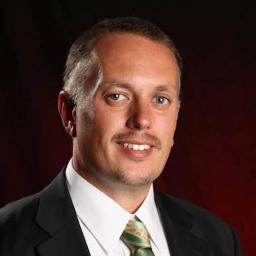
- LICSW, New Hampshire
- 1443 · runs to June 2027
- LICSW, Massachusetts
- 111604 · runs to December 2026
- NPI
- 1396982369 · national provider identifier
- Years in practice
- 20
- Languages
- English
As listed on Stephen's public professional profile. A license can be checked with the state board that issued it, and an NPI with the national registry.
About Stephen
Stephen Burke is a Licensed Independent Clinical Social Worker (LICSW) with 20 years of practice experience in New Hampshire and Massachusetts. He works with people who are dealing with relationship strain, parenting problems, career challenges, and trauma. He also brings focused experience with adoption and foster care issues.
His style is interactive and client-centered. Stephen asks people what they want to achieve and helps them set clear goals. Sessions are solution-focused, so they emphasize finding practical steps that build on existing strengths.
Background and approach
When trauma is involved he uses trauma-focused methods alongside broader coaching and counseling work. That means addressing immediate coping needs and also looking at patterns that affect relationships and parenting over time. He draws on experience with first responder stress, caregiver strain, and other high-pressure roles.
Common topics he addresses include anxiety, stress, addictions, grief, intimacy-related issues, and communication problems. He also works with concerns such as blended family issues, fatherhood questions, divorce and separation, and commitment or control issues. Stephen aims to help people develop a concrete plan they can use between sessions.
He combines a practical problem-solving focus with open, nonjudgmental conversation. For parents and adults coping with change at home, his approach centers on realistic steps and steady follow-through.
What Stephen works with
Copied from Stephen's public professional profile, in the words used there. It is what Stephen lists, not a ranking or an assessment.
- Family conflicts
- Trauma and abuse
- Parenting issues
- Coping with life changes
- Coaching
- Stress, Anxiety
- Addictions
- LGBT
- Relationship issues
- Grief
- Intimacy-related issues
- Eating disorders
- Anger management
- Self esteem
- Career difficulties
- Compassion fatigue
- Adoption and foster care
- Attachment issues
- Blended family issues
- Caregiver issues and stress
- Commitment issues
- Communication problems
- Control issues
- Coping with natural or human-caused disaster
- Divorce and separation
- Family of origin issues
- Family problems
- Fatherhood issues
- First responder issues
- Forgiveness
- Infidelity
- Isolation / loneliness
- Jealousy
- Life purpose
- Men's issues
- Midlife crisis
- Veteran and Armed Forces Issues
- Money and financial issues
- Multicultural concerns
- Polyamory / non-monogamous relationships
- Post-traumatic stress
- Seasonal Affective Disorder (SAD)
- Self-love
- Sexuality
- Social anxiety and phobia
- Workplace issues
- Young adult issues
Approaches Stephen names
- Client-Centered Therapy
- Solution-Focused Therapy
- Trauma-Focused Therapy
Naming an approach is not evidence of training in it. This directory shows what each therapist lists and does not check training records.
How his approaches translate to online sessions
Client-Centered Therapy focuses on the client’s goals and priorities. In practice this means sessions begin by identifying what matters most and then shaping conversations around those aims. This approach helps when people want to work on parenting challenges, relationship strain, or career decisions.Solution-Focused Therapy zeroes in on short-term, practical steps. It looks for what already works and builds on those strengths, which can be helpful for stress, anxiety, or coping after trauma. Sessions tend to be goal-directed and action-oriented.
Trauma-Focused Therapy addresses the effects of traumatic experiences and teaches coping strategies for symptoms that get in the way of daily life. It can include stabilization techniques, processing when appropriate, and developing safety and routine strategies that support family roles.
Finding the right mix of approaches is part of the work. He will collaborate with each person to decide which methods fit their needs, goals, and preferences, and adjust the plan over time based on what helps most.
Confirm the exact session formats he offers before booking, since formats are not listed here. Online work can make it easier to fit sessions into a busy schedule, require less travel, allow for shorter check-ins when needed, and offer options that match practical constraints like bandwidth or quiet time. These features help people maintain regular progress while balancing family and work responsibilities.
Questions people ask about Stephen
What kinds of family issues does he help with?
He supports adults with family problems such as blended family issues, fatherhood concerns, adoption and foster care matters, and family of origin struggles.
How would you describe his therapeutic style?
His approach is interactive, client-centered, and solution-focused. He works with clients to set goals and build practical steps toward those goals.
How much experience does he have?
He has 20 years of clinical experience working with relationship strain, trauma, parenting, and related concerns.
What credentials and location are listed?
He is a LICSW licensed in New Hampshire and Massachusetts and practices out of New Hampshire.
Which languages are sessions offered in?
Sessions are offered in English.
Does he work with international clients?
He does not accept international clients at this time.
How are fees and billing handled?
Cost varies with location and sessions use a subscription that can be canceled at any time.
How do I begin working with him?
Select the See online therapy options button, complete a short matching questionnaire, and schedule your first session.
More therapists in New Hampshire
Everyone in New Hampshire
Duane Drew
LCMHC
New Hampshire 14 years in practice
LCMHC in New Hampshire - Family and relationship concerns
- Stress, Anxiety
- Addictions
- Anger

Brogan Carson
LCMHC
New Hampshire 3 years in practice
Licensed counselor - family and relationship support
- Relationship
- Trauma and abuse
- Self esteem

Sharon Walsh
LCSW
New Hampshire 18 years in practice
Licensed Clinical Social Worker - Family and parenting
- Stress, Anxiety
- Relationship
- Grief
Surnames under B · everyone in the directory whose surname starts with B
Is this your profile?
Ask us to correct a detail or take the page down.
Contact us