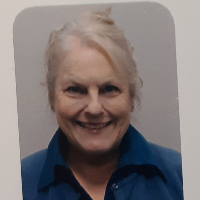
Trisha Williams
LMHC
Washington 22 years in practice
LMHC - Stress and relationship support
- Stress, Anxiety
- Relationship
- Self esteem
Family and parenting directory
75 therapists based in Washington list family or parenting among the things they work with. Sessions are online; a US therapist can usually only see people in a state where they hold a license, so check the license card on each profile.
Browse profiles of therapists listed in the Washington listed location who include family relationships and parenting among their specialties. You can compare focus areas, professional degrees and licenses, languages, and therapeutic approaches to find a potential match. Click a profile to read details and confirm the therapist's permission to work with you where you live.
LMHC
Washington 22 years in practice
LMHC - Stress and relationship support
LMHC
Washington 14 years in practice
LMHC counselor - Relationships and career
LICSW
Washington 16 years in practice
LICSW - Family and parenting concerns
LMHC
Washington 17 years in practice English, Spanish
LMHC in Washington - Family and relationship support
LICSW
Washington 10 years in practice
LICSW in Washington - Addictions and Relationships
LICSW
Washington 33 years in practice
LICSW - Family and parenting concerns
LMHC
Washington 7 years in practice
Licensed Mental Health Counselor - Family and Parenting
Washington 8 years in practice
LMHC in Washington - Family and parenting focus
LMHC
Washington 14 years in practice
Washington LMHC focused on family and parenting
LCSW, LICSW
Indiana 5 years in practice
LICSW in Washington - Family and parenting focus
LMHC
Washington 15 years in practice
Licensed Mental Health Counselor - Relationships and Family
LMHC
Washington 14 years in practice
Licensed Mental Health Counselor - Family and Relationship concerns
LICSW
Washington 26 years in practice
LICSW - Stress and relationship concerns
LMHC
Washington 11 years in practice
Licensed Mental Health Counselor - Family and parenting concerns
LMHC
Washington 30 years in practice
Licensed Mental Health Counselor - Family and aging concerns
LMHC
Washington 11 years in practice
LMHC - Family and relationship support
LMHC
Washington 20 years in practice
LMHC in Washington - Grief and Parenting
LMFT
Washington 25 years in practice
LMFT focusing on relationships and parenting
LICSW
Washington 15 years in practice
LICSW - Family and parenting focus
LMHC
Washington 18 years in practice
LMHC in Washington - Stress and Parenting support
LMHC
Washington 19 years in practice
Licensed Mental Health Counselor - Family and parenting
LICSW
Washington 11 years in practice
LICSW in Washington - Family and parenting focus
LMHC
Washington 9 years in practice
Licensed Mental Health Counselor - Relationships and Trauma
LMHC
Washington 20 years in practice
Licensed Mental Health Counselor - Family and parenting
LMHC
Washington 3 years in practice
Licensed Mental Health Counselor - Family and parenting concerns
LCSW, LICSW
California 42 years in practice
LCSW LICSW - Family and relationship concerns
LMHC
Washington 6 years in practice
Licensed Mental Health Counselor - Family and parenting focus
LMFT
Washington 35 years in practice
LMFT - Family and relationship concerns
LMHC
Washington 12 years in practice
LMHC - Stress and relationship concerns
LICSW
Washington 8 years in practice
Licensed social worker - family and life concerns
LMHC
Washington 30 years in practice
LMHC - Stress and family concerns
LMHC
Washington 11 years in practice
LMHC in Washington - Family and relationship concerns
LMFT
Washington 30 years in practice
LMFT focused on family and personal concerns
LCSW, LICSW
Washington 9 years in practice
Licensed Clinical Social Worker - Family and parenting concerns
LMHC
Washington 15 years in practice
Licensed Mental Health Counselor - Family and parenting focus
LICSW
Washington 9 years in practice
LICSW - Stress and family concerns
LMFT, LMHC
California 15 years in practice English, Korean
Dr. Maria Kim, LMFT LMHC - Family and parenting support
LMHC
Washington 15 years in practice
Washington LMHC - Family and parenting focus
LICSW
Washington 19 years in practice
LICSW - Stress and family concerns
LMHC
Washington 17 years in practice
Licensed Mental Health Counselor - Relationships and Family
LMHC
Washington 14 years in practice
LMHC in Washington - Family and parenting focus
LMFT
Washington 35 years in practice
Licensed Marriage and Family Therapist - Relationships and Family
LMHC
Washington 27 years in practice
Washington LMHC - Family and relationship support
LPC, LMHC
Washington 25 years in practice English, Hindi
Licensed counselor - Parenting and relationships
LMFT
Washington 4 years in practice
LMFT - Relationships and Parenting
LICSW
Washington 22 years in practice
LICSW - Family and relationship support
LPC, LMHC
Washington 5 years in practice
Licensed counselor - Family and parenting concerns
LMHC
Washington 20 years in practice
LMHC - Family and relationship support
Some links on this page are partner links. We will earn a commission if you sign up through one, at no cost to you. It does not change what you pay or the order of the listings.
When you are managing parenting stress, blended family challenges, conflict with adult children, or care needs for aging parents, the first step is clarifying the outcomes you want to pursue. You might be seeking help with communication patterns, setting boundaries, managing worry related to parenting, or developing routines that support family stability. Think about which of those goals feels most urgent, and use that clarity when you read profiles. Profiles list specialties and focus areas so you can identify therapists who mention parenting, family dynamics, or related issues. Keep in mind that a listed specialty signals the therapist highlights that area in their profile, but it does not guarantee a particular service model or outcome. If safety concerns arise - for example, if a child or an adult is at immediate risk - contact emergency services or your local crisis line right away. Otherwise, use your initial questions to narrow choices: what age groups does the clinician work with, do they describe work with individual adults on parenting issues, and what language(s) do they offer? These practical details will help you decide which profiles to open and which clinicians to contact for more information.
Profiles grouped under the Washington listed location indicate the directory records associate that therapist with Washington, but that association does not prove an office address, an active license in Washington, or automatic eligibility to work with you. You should check each individual profile for explicit statements about where the therapist is permitted to practice and whether they mention offering services to residents of Washington. When reviewing credentials, separate academic degrees from professional licenses. Degrees such as PhD, PsyD, MD, MA, and MSW indicate educational attainment and training background. Licenses and registrations are the permissions that allow someone to practice in a jurisdiction - examples include state licenses for clinical social work, professional counseling, marriage and family therapy, psychology, or medicine for psychiatrists. A degree alone does not establish current permission to practice. Profiles may or may not display license type or jurisdiction. If the profile does not make the licensing clear, contact the clinician to ask whether they hold a license to practice in Washington and whether they have permission to work with you where you live. Verifying this before beginning work helps you understand both professional qualifications and legal scope of practice.
You can use concrete questions to assess whether a therapist’s stated approach and experience align with your needs. Ask whether the therapist typically works with individuals on parenting stress, blended family transitions, or relationships with adult children. Inquire which populations they work with by age and life stage, and about any particular experience they have with issues similar to yours. When approaches are mentioned on a profile, frame them as discussion points - for example, ask about therapists who list cognitive-behavioral approaches, attachment-informed work, trauma-informed practices, or those who list EMDR among their approaches - and ask how those approaches might be applied to your specific concerns. You can also ask how the clinician measures progress and what they consider a typical focus early in care. Concrete questions include: Which challenges in parenting or family functioning do you see most often? How do you tailor your work when an adult seeks help for parenting stress versus when they want support with an aging parent? How do you balance practical skills with emotional processing? By asking direct questions you will gain a clearer sense of style and fit, and you will be able to compare answers across profiles.
If you are considering remote sessions or working with someone who lists Washington among their locations but lives elsewhere, there are important practical topics to cover before you begin. Confirm the clinician's permission to work with residents of Washington and ask whether their professional license covers telehealth services for people located in your state. Discuss how they handle emergencies and what local resources they would refer you to in a crisis. Talk about technology requirements, how sessions are scheduled and documented, and any expectations around missed appointments or communication between sessions. If your situation involves urgent safety issues, clarify how to access immediate help locally rather than relying solely on remote support. Also ask how the clinician manages boundaries when working across jurisdictions - for example, whether they will consult local providers if coordination of care is needed. These conversations protect both you and the clinician by ensuring clarity about legal permission to practice, practical arrangements, and plans for crisis situations.
Comparing profiles is most useful when you focus on a few consistent categories. Start with focus areas - identify clinicians who list parenting, family relationships, or related concerns that match what you described earlier. Next, look for language options if communicating in a language other than English matters to you; profiles often indicate spoken languages and that can be essential for nuanced conversations about family history and culture. Review academic degrees and listed licenses separately - note an MA or MSW alongside any stated license type and jurisdiction, and ask the clinician to confirm their current legal standing if it is important to you. Consider therapeutic style as described on profiles - some clinicians emphasize practical skills and problem-solving, others emphasize insight and relational patterns - and plan to ask how that style is applied to individual adults dealing with parenting or family transitions. Concrete comparison questions you can carry from profile to profile include: Which age groups do you work with? Do you focus on individual adults dealing with parenting or adult-child relationships? What languages do you provide services in? What degrees and licenses do you hold, and in which states? How do you describe your typical approach in the first three sessions? By comparing answers to these questions, you will be better positioned to choose a small set of clinicians to contact directly. Always remember to confirm permission to work with you where you live before making plans to begin care.