
- LMHC, Washington
- LH61312144 · runs to December 2026
- NPI
- 1538722640 · national provider identifier
- Years in practice
- 11
- Languages
- English
As listed on Marla's public professional profile. A license can be checked with the state board that issued it, and an NPI with the national registry.
About Marla
Marla Majors is a Washington-licensed mental health counselor (LMHC) with 11 years of experience. She helps people manage stress, anxiety, addictions, relationship strain, family conflict, and depression. Her practical focus also includes issues like abandonment, adoption and foster care questions, attachment concerns, blended family strain, and communication challenges.
Marla uses straightforward conversation and active listening. Sessions mix talk therapy with proven behavior tools. She draws on Cognitive Behavioral Therapy (CBT) and Dialectical Behavior Therapy (DBT) while keeping the client at the center of the work.
Background and approach
That means the person's goals guide what happens each week. Clients can expect an approachable, interactive tone in sessions. There is room for humor alongside serious work.
Marla emphasizes small, concrete steps that can fit into busy family life, such as short skill practices and focused check-ins between meetings. Over her career Marla has supported people facing overlapping challenges, including codependency, commitment worries, body image concerns, dissociation, and the fallout from separation or domestic violence. She helps people untangle how past attachment experiences affect current relationships and parenting choices.
Her aim is practical progress rather than jargon. Sessions center on everyday changes: clearer communication, healthier boundaries, and better coping when stress rises. Marla works in English and with Washington-based clients, and she asks new people to confirm current session options before booking.
What Marla works with
Copied from Marla's public professional profile, in the words used there. It is what Marla lists, not a ranking or an assessment.
- Stress, Anxiety
- Addictions
- Relationship issues
- Family conflicts
- Depression
- Abandonment
- Adoption and foster care
- Attachment issues
- Avoidant personality
- Blended family issues
- Body image
- Co-morbidity
- Codependency
- Commitment issues
- Communication problems
- Control issues
- Dependent personality
- Dissociation
- Divorce and separation
- Domestic violence
- Drug and alcohol addiction
- Emptiness
- Family of origin issues
- Family problems
- Forgiveness
- Guilt and shame
- Impulsivity
- Infidelity
- Isolation / loneliness
- Jealousy
- Life purpose
- Midlife crisis
- Veteran and Armed Forces Issues
- Mood disorders
- Multicultural concerns
- Narcissism
- Panic disorder and panic attacks
- Personality disorders
- Postpartum depression
- Post-traumatic stress
- Pregnancy and childbirth
- Prejudice and discrimination
- Process addiction (porn, exercise, gambling)
- Seasonal Affective Disorder (SAD)
- Self-harm
- Self-love
- Sexual assault and abuse
- Sexual dysfunction
- Social anxiety and phobia
- Women's issues
- Workplace issues
- Young adult issues
Approaches Marla names
- Acceptance and Commitment Therapy (ACT)
- Attachment-Based Therapy
- Client-Centered Therapy
- Cognitive Behavioral Therapy (CBT)
- Dialectical Behavior Therapy (DBT)
- Emotionally-Focused Therapy (EFT)
- Mindfulness Therapy
- Motivational Interviewing
- Narrative Therapy
- Psychodynamic Therapy
- Solution-Focused Therapy
- Trauma-Focused Therapy
- Internal Family Systems
Naming an approach is not evidence of training in it. This directory shows what each therapist lists and does not check training records.
How her therapeutic approaches translate to online work
Acceptance and Commitment Therapy (ACT) focuses on helping people clarify what matters to them and take small actions toward those values. It is often used when stress, anxiety, or avoidance get in the way of daily life. Cognitive Behavioral Therapy (CBT) looks at the link between thoughts, feelings, and behavior and teaches targeted skills to change unhelpful patterns. It is useful for anxiety, depression, and many everyday coping problems. Dialectical Behavior Therapy (DBT) teaches concrete skills for managing intense emotions, improving distress tolerance, and steadying relationships.Choosing the right approach is a collaborative process. The therapist will work with the client to identify goals, try a method, and adjust as needed. That way the plan fits current concerns and family rhythms rather than following a fixed script.
Session formats are not specified in the biography, so confirm current options before booking. Online work can make it easier to fit therapy into a busy schedule by reducing travel and allowing shorter check-ins when needed. It can also let people use video or phone to match what works best for their energy, bandwidth, and home routine. The focus remains practical - learning skills you can use between sessions and checking progress over time.
Questions people ask about Marla
What kinds of problems does she address?
She works with stress, anxiety, addictions, relationship strain, family conflict, and depression. Additional focuses include attachment issues, abandonment, blended family concerns, and communication problems.
How would you describe her therapy style?
She uses approachable talk therapy that mixes practical skills with discussion. Sessions are interactive and may include brief skill practice between meetings.
How much experience does this clinician have?
She has 11 years of professional experience working with people facing family and relationship stress as well as mood and addiction concerns.
What are her credentials and where is she based?
She is an LMHC licensed in Washington and practices with that credential within the state.
Does she work in languages other than English?
Sessions are offered in English.
Are international clients accepted?
She does not accept international clients at this time.
How are sessions billed?
Cost varies with location and sessions use a subscription model that can be canceled at any time.
What do I do to begin working with her?
Select the See online therapy options button, complete the short matching questionnaire, and schedule a first session to get started.
More therapists in Washington
Everyone in Washington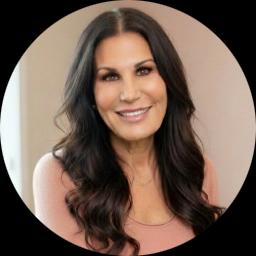
Trisha Williams
LMHC
Washington 22 years in practice
LMHC - Stress and relationship support
- Stress, Anxiety
- Relationship
- Self esteem

Eric Levine
LMHC
Washington 14 years in practice
LMHC counselor - Relationships and career
- Stress, Anxiety
- Relationship
- Career

Mary Ann Skender
LICSW
Washington 16 years in practice
LICSW - Family and parenting concerns
- Stress, Anxiety
- Addictions
- Relationship
Surnames under M · everyone in the directory whose surname starts with M
Is this your profile?
Ask us to correct a detail or take the page down.
Contact us