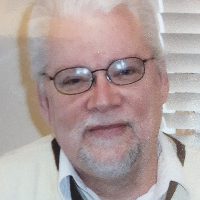
Mark Anderson, LPC
Licensed Professional Counselor - Family and relationship support
- LPC, Michigan
- 6401013984 · runs to October 2026
- NPI
- 1952387037 · national provider identifier
- Years in practice
- 45
- Languages
- English
As listed on Mark's public professional profile. A license can be checked with the state board that issued it, and an NPI with the national registry.
About Mark
Mark Anderson is a Licensed Professional Counselor (LPC) practicing in Michigan with 45 years of experience. He focuses on stress, anxiety, addictions, trauma and abuse, grief, depression, LGBT concerns, relationship and family issues, and intimacy-related struggles. He also addresses anger, self-esteem, career questions, coping with life changes, and compassion fatigue.
He works directly with people who are coping with addiction and co-occurring mental health challenges such as anxiety, depression, and trauma.
Background and approach
He has long experience supporting those facing the death of a loved one and helping people manage strong emotions like panic or shame. Sessions are practical and aimed at giving tools for everyday life. Over four decades in clinical settings have shaped a pragmatic approach.
He uses methods that focus on what helps now and what changes can be sustained. That can mean looking at thoughts and behaviors, building skills for emotional regulation, or focusing on concrete steps to solve a problem. He combines client-centered listening with structured techniques from Cognitive Behavioral Therapy and Dialectical Behavior Therapy when useful.
He also uses solution-focused methods and trauma-informed practices for people who have experienced abuse or loss. The goal is to reduce immediate distress and expand coping options. Mark’s background includes long-term work in mental health and substance use treatment.
He encourages clear, actionable plans and routine check-ins so people can notice progress and adjust what’s needed.
What Mark works with
Copied from Mark's public professional profile, in the words used there. It is what Mark lists, not a ranking or an assessment.
- Stress, Anxiety
- Addictions
- Trauma and abuse
- Grief
- Depression
- LGBT
- Relationship issues
- Family conflicts
- Intimacy-related issues
- Anger management
- Self esteem
- Career difficulties
- Coping with life changes
- Compassion fatigue
- Control issues
- Guilt and shame
- Hospice and end-of-life counseling
- Life purpose
- Panic disorder and panic attacks
- Social anxiety and phobia
Approaches Mark names
- Client-Centered Therapy
- Cognitive Behavioral Therapy (CBT)
- Dialectical Behavior Therapy (DBT)
- Solution-Focused Therapy
- Trauma-Focused Therapy
Naming an approach is not evidence of training in it. This directory shows what each therapist lists and does not check training records.
How these therapeutic approaches translate to online sessions
Client-Centered Therapy places the person’s concerns at the center of the work. The therapist listens carefully, reflects what matters most, and helps build a plan based on the person’s values and goals. This approach is useful for people who need time to clarify what matters and want a supportive, practical focus.Cognitive Behavioral Therapy (CBT) looks at the link between thoughts, feelings, and actions. Online CBT typically involves identifying unhelpful patterns, trying specific behavior changes, and reviewing results. It is often used for anxiety, depression, panic, and stress-related problems.
Dialectical Behavior Therapy (DBT) provides clear skills for handling strong emotions and improving coping. In an online setting, that can mean teaching grounding, distress tolerance, and emotional regulation techniques that people practice between sessions.
Finding the right approach is part of the work together. The therapist will talk about goals, try methods that fit those goals, and adjust based on what helps. That collaborative process means techniques may shift as progress is made.
Session logistics should be confirmed before booking because formats are not listed in the original profile. Ask about session length and how meetings are scheduled. Online options can make it easier to fit therapy into a busy life - for example shorter check-ins, timing sessions around work breaks, or avoiding travel time - without promising a specific format.
Questions people ask about Mark
What kinds of concerns does he help with?
He works with stress, anxiety, addictions, trauma and abuse, grief, depression, relationship and family worries, and related issues such as anger, self-esteem, and career stress.
What is his approach in sessions?
He combines client-centered listening with structured methods like Cognitive Behavioral Therapy, Dialectical Behavior Therapy, solution-focused work, and trauma-focused techniques to address immediate problems and build skills.
How much experience does he have?
He has 45 years of experience in mental health and substance abuse treatment, including extensive work with people coping with loss and addiction.
What credential and location information is listed?
He holds the LPC credential and practices in Michigan.
Are sessions offered in other languages or internationally?
Sessions are offered in English and he accepts international clients.
What session formats are available?
The original profile does not specify session formats; confirm current session options before booking.
How does cost work?
Cost varies with location; sessions use a subscription that can be canceled at any time.
How do I begin working with him?
Use the See online therapy options button, complete the short matching questionnaire, and schedule a first session.
More therapists in Michigan
Everyone in Michigan
Eddie Beach
LPC
Michigan 5 years in practice
Licensed Professional Counselor - Family and mental health
- Stress, Anxiety
- Bipolar
- Depression

Marcius Brock
LPC
Michigan 25 years in practice
Licensed Professional Counselor - Parenting and Life Concerns
- Stress, Anxiety
- Self esteem
- Career

Lisa Hilton
LMSW
Michigan 20 years in practice
Licensed LMSW - Family and parenting focus
- Stress, Anxiety
- Relationship
- Trauma and abuse
Surnames under A · everyone in the directory whose surname starts with A
Is this your profile?
Ask us to correct a detail or take the page down.
Contact us