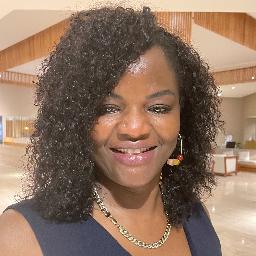
- LCSW, Oregon
- L10747 · runs to April 2026
- NPI
- 1386818656 · national provider identifier
- Years in practice
- 7
- Languages
- English, Lingala
As listed on Ramata's public professional profile. A license can be checked with the state board that issued it, and an NPI with the national registry.
About Ramata
Ramata Adebawo is a Licensed Clinical Social Worker (LCSW) in Oregon with seven years of practice. She helps people manage stress, anxiety, trauma and abuse, parenting concerns, self-esteem struggles, grief, relationships, and work-related issues. She also addresses caregiving strain, immigration-related worries, multicultural concerns, and issues that affect young adults and women.
Ramata draws on her life experience across cultures to inform her work. She grew up outside the United States and later moved here, which shaped how she notices cultural differences and shared human experiences.
Background and approach
That background influences how she listens and talks through challenges with people from varied backgrounds. In sessions she favors a client-centered approach, aiming to follow the person’s lead while offering practical tools. She uses Cognitive Behavioral Therapy (CBT) techniques to identify thinking patterns and Dialectical Behavior Therapy (DBT) skills for managing strong emotions.
Attachment-based ideas and Emotionally-Focused Therapy (EFT) also inform how she looks at relationship and intimacy issues. Her practice includes addressing addiction concerns, compassion fatigue, forgiveness work, prejudice and discrimination, and post-traumatic stress. She works with people who face midlife changes, career transitions, and the stresses of caregiving.
Ramata speaks English and Lingala and brings attention to cultural context in conversations about identity and belonging. People who choose to work with her can expect straightforward conversation and concrete coping strategies. She encourages collaborative planning and practical steps to reduce daily strain.
To begin, readers are invited to use the site’s matching and scheduling tools to set up an initial session.
What Ramata works with
Copied from Ramata's public professional profile, in the words used there. It is what Ramata lists, not a ranking or an assessment.
- Stress, Anxiety
- Trauma and abuse
- Parenting issues
- Self esteem
- Career difficulties
- Addictions
- LGBT
- Relationship issues
- Family conflicts
- Grief
- Intimacy-related issues
- Anger management
- Depression
- Coping with life changes
- Coaching
- Compassion fatigue
- Caregiver issues and stress
- Forgiveness
- Immigration issues
- Midlife crisis
- Multicultural concerns
- Post-traumatic stress
- Prejudice and discrimination
- Women's issues
- Young adult issues
Approaches Ramata names
- Attachment-Based Therapy
- Client-Centered Therapy
- Cognitive Behavioral Therapy (CBT)
- Dialectical Behavior Therapy (DBT)
- Emotionally-Focused Therapy (EFT)
- Motivational Interviewing
- Psychodynamic Therapy
- Solution-Focused Therapy
- Trauma-Focused Therapy
Naming an approach is not evidence of training in it. This directory shows what each therapist lists and does not check training records.
Therapeutic approaches and online sessions
Ramata uses Cognitive Behavioral Therapy to help people notice and change unhelpful thoughts and behaviors. CBT is often used for anxiety, depression, and stress by breaking problems into smaller, manageable steps. She also draws on Attachment-Based Therapy to look at how early relationships affect current connections and intimacy concerns. Attachment ideas can help when patterns of closeness or distance cause repeated conflict.Finding the right approach is a shared process. Ramata works with each person to decide which methods fit their goals and day-to-day needs. She will outline options, try techniques, and adjust the plan based on what helps most in real life.
Session formats are not listed in the biography, so confirm available online options before booking. Online sessions can make it easier to fit therapy into a busy week, allow shorter check-ins when needed, and remove travel time. Discussing practical goals, practicing DBT skills between meetings, or using CBT handouts can all be part of virtual work, depending on the session format offered.
Questions people ask about Ramata
What kinds of problems does she help with?
She supports people with stress, anxiety, trauma and abuse, parenting concerns, self-esteem, relationship and intimacy issues, grief, and work or career stress.
How would you describe her therapeutic style?
Her style is client-centered and practical. She blends listening with clear tools drawn from CBT, DBT, attachment ideas, and emotionally focused techniques.
How much clinical experience does she have?
She has seven years of experience working as a Licensed Clinical Social Worker in community settings.
What are her credentials and where is she based?
She is an LCSW licensed in Oregon and practices with that credential in the state.
Which languages can sessions be held in?
Sessions are offered in English and Lingala.
Can people outside the United States work with her?
International clients are not currently accepted; sessions are provided to clients within the therapist's permitted jurisdiction.
How are sessions paid for?
Cost varies by location and sessions use a subscription that can be canceled at any time.
How do I begin a first session?
Use the See online therapy options button, complete the short matching questionnaire, and schedule a first session through the site.
More therapists in Oregon
Everyone in Oregon
Jaqulyn Tasker
LPC
Oregon 30 years in practice
LPC counselor - Family and relationship concerns
- Stress, Anxiety
- Relationship
- Trauma and abuse
Minet Neuhart
LPC
Oregon 5 years in practice
Licensed Professional Counselor - Stress and relationships
- Stress, Anxiety
- Relationship
- Grief

Joy Nussen
LMFT
California 32 years in practice
Licensed Marriage and Family Therapist - Family and parenting concerns
- Stress, Anxiety
- Relationship
- Trauma and abuse
Surnames under A · everyone in the directory whose surname starts with A
Is this your profile?
Ask us to correct a detail or take the page down.
Contact us