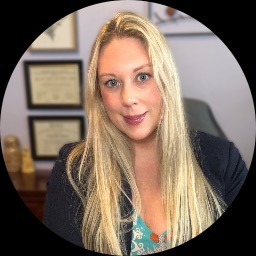
- LCMHC, North Carolina
- 13801 · runs to June 2027
- NPI
- 1417450677 · national provider identifier
- Years in practice
- 5
- Languages
- English
As listed on Araby's public professional profile. A license can be checked with the state board that issued it, and an NPI with the national registry.
About Araby
Araby Boykin is a Licensed Clinical Mental Health Counselor (LCMHC) in North Carolina with five years of clinical experience. She helps adults facing stress, anxiety, depression, trauma and abuse, parenting strain, relationship and family concerns, grief, and mood or personality challenges. Her work also covers issues like addiction, anger, intimacy-related struggles, and compassion fatigue.
She uses straightforward, skills-based methods in sessions. Conversations focus on what is happening now and what small changes might help.
Background and approach
Practical tools from cognitive behavioral work and mindfulness are mixed with motivation-focused conversations to support action and change. Clients can expect a problem-solving, client-centered style that values their input. Sessions often include learning concrete skills for managing intense emotions and improving communication.
Techniques from dialectical behavior therapy are used when emotional regulation and impulse control are central concerns. Araby draws on a range of approaches rather than a single technique. She combines short-term strategies with longer-term coping skills depending on the issue.
This flexible approach aims to make therapy useful for everyday life and for specific family or parenting challenges. Her professional credential is LCMHC, which stands for Licensed Clinical Mental Health Counselor. She practices in North Carolina and conducts sessions in English.
To begin, people follow the site’s matching and scheduling steps to set up an initial meeting.
What Araby works with
Copied from Araby's public professional profile, in the words used there. It is what Araby lists, not a ranking or an assessment.
- Stress, Anxiety
- Trauma and abuse
- Self esteem
- Depression
- Coping with life changes
- Addictions
- Relationship issues
- Family conflicts
- Grief
- Intimacy-related issues
- Parenting issues
- Anger management
- Bipolar disorder
- Compassion fatigue
- Co-morbidity
- Communication problems
- Control issues
- Emptiness
- Family problems
- Forgiveness
- Impulsivity
- Infidelity
- Jealousy
- Life purpose
- Midlife crisis
- Mood disorders
- Personality disorders
- Phobias
- Postpartum depression
- Post-traumatic stress
- Seasonal Affective Disorder (SAD)
- Self-love
- Smoking / vaping cessation
- Social anxiety and phobia
- Women's issues
Approaches Araby names
- Client-Centered Therapy
- Cognitive Behavioral Therapy (CBT)
- Dialectical Behavior Therapy (DBT)
- Mindfulness Therapy
- Motivational Interviewing
- Solution-Focused Therapy
- Trauma-Focused Therapy
Naming an approach is not evidence of training in it. This directory shows what each therapist lists and does not check training records.
How her approaches translate to online sessions
Araby uses cognitive behavioral therapy to help people notice and change unhelpful thinking and behavior patterns. CBT is useful for anxiety, depression, and many everyday problems because it focuses on clear steps and skills to try between sessions.She also draws on dialectical behavior therapy skills when emotion regulation or impulsivity is an issue. DBT offers concrete techniques for managing intense feelings, reducing impulsive actions, and improving interpersonal effectiveness. Client-centered therapy shapes how she works day to day by keeping the client's goals and preferences central, and motivational interviewing helps when making changes feels difficult.
Finding the right mix of approaches is part of the work together. The therapist and client review needs, goals, and preferences and decide which methods to prioritize. That collaborative process guides whether sessions focus more on skills practice, behavior change, or exploring underlying patterns.
Session formats are not listed in the biography, so confirm current online options before booking. Online sessions can make it easier to fit meetings around work, childcare, or travel. They can also allow shorter check-ins when a quick progress update is needed, or video sessions when face-to-face interaction helps with skill coaching.
Questions people ask about Araby
What concerns does she address most often?
She works with stress, anxiety, depression, trauma, parenting strain, relationship and family issues, grief, addiction, and mood or personality problems.
What is her therapeutic style?
She uses a client-centered approach with practical skills. Sessions blend problem-solving, behavioral techniques, and mindfulness exercises.
How much clinical experience does she have?
She has five years of experience working with adults on mood disorders, trauma, anxiety, and related concerns.
What credential does she hold and where does she practice?
She holds an LCMHC credential and practices in North Carolina.
Which languages are sessions offered in?
Sessions are offered in English.
Can international clients work with her?
International clients are not currently accepted.
How are sessions paid for and what does it cost?
Cost varies with location; sessions use a subscription that can be canceled at any time.
How do I get started with a first session?
Use the site button to see online therapy options, complete a short matching questionnaire, and schedule a first session.
More therapists in North Carolina
Everyone in North Carolina
Patricia Greer
LCSW
North Carolina 20 years in practice
LCSW - Family and parenting support
- Stress, Anxiety
- Addictions
- Trauma and abuse

Korie Roane
LCSW
North Carolina 3 years in practice
Licensed Clinical Social Worker - Family and stress concerns
- Stress, Anxiety
- Anger
- Self esteem

Stephen Richardson
LCSW, LISW-CP
North Carolina 10 years in practice
Licensed clinical social worker - Family and relationship concerns
- Stress, Anxiety
- Relationship
- Bipolar
Surnames under B · everyone in the directory whose surname starts with B
Is this your profile?
Ask us to correct a detail or take the page down.
Contact us