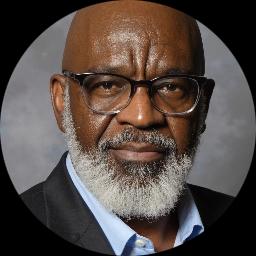
Darrell Patterson, LMHC
Licensed Mental Health Counselor - Family and parenting concerns
- LMHC, Florida
- MH19171 · runs to March 2027
- NPI
- 1164820924 · national provider identifier
- Years in practice
- 9
- Languages
- English
As listed on Darrell's public professional profile. A license can be checked with the state board that issued it, and an NPI with the national registry.
About Darrell
Darrell Patterson is a Licensed Mental Health Counselor (LMHC) practicing in Florida with nine years of clinical experience. He focuses on stress, anxiety, addictions, relationship and family concerns, depression, trauma and abuse, grief, parenting, anger, self-esteem, bipolar disorder, ADHD, and coping with life changes. He also attends to issues such as fatherhood concerns, communication problems, codependency, and midlife transitions.
He uses practical, talk-based methods rooted in attachment, client-centered work, cognitive behavioral ideas, emotionally focused approaches, and motivational interviewing.
Background and approach
Sessions aim to identify what is getting in the way of everyday functioning and to build clearer thinking and more effective responses. Conversations are straightforward and goal-oriented when that helps. Darrell’s background includes a master’s degree in counseling and psychology from Palm Beach Atlantic University and earlier study at Florida State University.
He served as a commissioned officer in the U.S. Army and later worked in business and corporate training before becoming a clinician. That varied experience shapes his practical approach to problems.
In sessions he focuses on rebuilding healthier patterns and reconstructing life narratives that reduce distress. He emphasizes trust and an attitude of unconditional positive regard while helping people practice skills that change stressful routines. Longstanding problems such as unresolved trauma or addiction are approached with steady, step-by-step work.
Clients who want clear, work-focused sessions that connect everyday struggles with doable skills may find this approach helpful. Darrell invites people to explore problems, set achievable goals, and practice new ways of interacting with themselves and others.
What Darrell works with
Copied from Darrell's public professional profile, in the words used there. It is what Darrell lists, not a ranking or an assessment.
- Stress, Anxiety
- Addictions
- Relationship issues
- Family conflicts
- Depression
- Trauma and abuse
- Grief
- Parenting issues
- Anger management
- Self esteem
- Bipolar disorder
- Coping with life changes
- Compassion fatigue
- ADHD
- Abandonment
- Aging and geriatric issues
- Codependency
- Communication problems
- Control issues
- Divorce and separation
- Drug and alcohol addiction
- Family problems
- Fatherhood issues
- Forgiveness
- Impulsivity
- Infidelity
- Life purpose
- Men's issues
- Midlife crisis
- Veteran and Armed Forces Issues
- Mood disorders
- Multicultural concerns
- Prejudice and discrimination
- Process addiction (porn, exercise, gambling)
- Social anxiety and phobia
- Young adult issues
Approaches Darrell names
- Attachment-Based Therapy
- Client-Centered Therapy
- Cognitive Behavioral Therapy (CBT)
- Emotionally-Focused Therapy (EFT)
- Motivational Interviewing
- Solution-Focused Therapy
Naming an approach is not evidence of training in it. This directory shows what each therapist lists and does not check training records.
Using attachment and cognitive work in online sessions
Darrell draws on Attachment-Based Therapy to look at how past relationships shape current responses. This approach focuses on understanding patterns of closeness and distance and can help with relationship and family concerns.He also uses Cognitive Behavioral Therapy (CBT) to identify unhelpful thoughts and change behaviors. CBT offers clear, short-term tools for anxiety, depression, and managing impulses. Emotionally-Focused Therapy (EFT) informs his attention to emotional experiences in close relationships and how to shift responses that keep conflict or distance in place.
Finding the right way of working is collaborative. He will talk with each person about goals, try approaches that match those goals, and adjust methods based on what helps. Together they set reasonable objectives and track small changes over time.
Confirm the available session formats before booking so you know how meetings are conducted. Online sessions can make it easier to fit therapy into a busy day, reduce travel time, allow shorter check-ins when needed, or avoid being on camera if that feels difficult. These practical benefits can help therapy fit around parenting, work, and daily life without promising a specific delivery method.
Questions people ask about Darrell
What problems does he help with most often?
He works with stress, anxiety, addictions, relationship and family concerns, depression, trauma, grief, parenting strains, anger, self-esteem, bipolar, ADHD, and life changes.
What is his therapeutic style?
He uses attachment-based, client-centered, cognitive behavioral, emotionally focused approaches and motivational interviewing to combine talk work with practical skill building.
How much clinical experience does he have?
He has nine years of experience working as a mental health clinician in a variety of settings.
What credentials and region does he practice in?
He is a Florida LMHC and practices in Florida.
Are sessions available in other languages?
Sessions are offered in English.
Can international clients work with him?
He is not currently accepting international clients.
How does payment or cost work?
Cost varies with location and sessions use a subscription that can be canceled at any time.
What should I do to get started?
Select the See online therapy options button, complete a short matching questionnaire, and schedule a first session.
More therapists in Florida
Everyone in Florida
Keioni Betton
LMHC
Florida 5 years in practice
Licensed Mental Health Counselor - Family and stress concerns
- Stress, Anxiety
- Trauma and abuse
- Depression

Lisa Longo
LMHC, LPC
Florida 6 years in practice
Licensed counselor - Family and parenting concerns
- Stress, Anxiety
- Relationship
- Trauma and abuse
Mia Hall
LCSW
Florida 27 years in practice
LCSW in Florida - Family and relationship concerns
- Stress, Anxiety
- Relationship
- Depression
Surnames under P · everyone in the directory whose surname starts with P
Is this your profile?
Ask us to correct a detail or take the page down.
Contact us