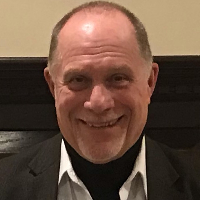
David Spann, LCSW, LISW
LCSW in North Carolina - Family and addiction focus
- LCSW, North Carolina
- C008137 · runs to January 2028
- LISW, Ohio
- I.1700680 · runs to October 2027
- NPI
- 1316224470 · national provider identifier
- Years in practice
- 29
- Languages
- English
As listed on David's public professional profile. A license can be checked with the state board that issued it, and an NPI with the national registry.
About David
David Spann is an LCSW (Licensed Clinical Social Worker) and LISW (Licensed Independent Social Worker) practicing in North Carolina with 29 years of experience. He works with concerns such as addiction, trauma and abuse, grief, anxiety, depression, relationship and intimacy-related issues, and parenting. He also lists coaching, stress, anger, self-esteem, bipolar and compassion fatigue among his focus areas.
He uses approaches drawn from attachment-based work, client-centered therapy, cognitive behavioral therapy (CBT), dialectical behavior therapy (DBT), mindfulness, and motivational interviewing.
Background and approach
His background includes outpatient, residential, and hospital settings, and clinical time at a Naval Hospital working with Active Duty Marines. That experience informs how he looks at stressors that affect family life and daily functioning. Spann combines clinical practice with years of leadership, program development, and training experience.
He has worked in crisis intervention training for law enforcement and served as a state trainer for teachers in the NAMI Family to Family program. He also leads seminars on grief, communication, anger management, boundaries, and relational topics. In sessions he focuses on identifying patterns that keep problems going and teaching practical skills to change them.
He uses trauma-focused CBT and cognitive processing approaches when trauma is central. He draws on DBT and mindfulness for coping skills and emotion regulation. Parents and adults concerned about blended family dynamics, attachment issues, codependency, communication problems, divorce, addiction, or financial stress can expect direct, skills-based work.
Sessions aim to clarify goals, address immediate problems, and build tools for everyday life.
What David works with
Copied from David's public professional profile, in the words used there. It is what David lists, not a ranking or an assessment.
- Addictions
- Family conflicts
- Trauma and abuse
- Grief
- Coaching
- Stress, Anxiety
- Relationship issues
- Intimacy-related issues
- Parenting issues
- Anger management
- Self esteem
- Career difficulties
- Bipolar disorder
- Depression
- Coping with life changes
- Compassion fatigue
- Attachment issues
- Blended family issues
- Codependency
- Communication problems
- Control issues
- Coping with natural or human-caused disaster
- Divorce and separation
- Domestic violence
- Drug and alcohol addiction
- Life purpose
- Veteran and Armed Forces Issues
- Money and financial issues
- Mood disorders
- Multicultural concerns
- Post-traumatic stress
- Self-love
- Sex addiction
- Sexual assault and abuse
- Workplace issues
Approaches David names
- Attachment-Based Therapy
- Client-Centered Therapy
- Cognitive Behavioral Therapy (CBT)
- Dialectical Behavior Therapy (DBT)
- Mindfulness Therapy
- Motivational Interviewing
- Solution-Focused Therapy
- Trauma-Focused Therapy
Naming an approach is not evidence of training in it. This directory shows what each therapist lists and does not check training records.
How attachment, CBT, and mindfulness inform online sessions
Attachment-based work looks at how patterns from early relationships influence current connections. Online sessions can explore those patterns with focused conversation and exercises to notice how relationships repeat in daily life.Cognitive Behavioral Therapy (CBT) focuses on spotting thoughts and behaviors that keep problems going and then testing new actions. In online meetings, CBT often includes homework and short skill drills to practice between sessions.
Mindfulness therapy teaches simple attention and breathing skills to reduce reactivity and improve emotional regulation. These practices can be taught in session and repeated at home to support stress and anxiety management.
Finding the right approach is part of the work. The therapist will collaborate with the client to choose methods that fit the person’s goals, needs, and preferences. That may mean combining approaches or adjusting the pace based on what helps most.
Confirm the exact session formats before booking because formats are not listed in the biography. Online therapy can make it easier to fit sessions into a busy week, handle shorter check-ins when needed, and use audio-only options when video is difficult. Licensed professionals use these options to help clients put skills into everyday life without requiring extra travel.
Questions people ask about David
What kinds of family issues does he address?
He helps with parenting concerns, blended family challenges, communication problems, and the strain families feel from trauma, addiction, or mental illness.
What is his therapy style like?
He combines attachment-based, client-centered, and cognitive-behavioral approaches to teach practical skills and change unhelpful patterns.
How much clinical experience does he have?
He has 29 years of professional experience in outpatient, residential, and hospital settings, including work at a Naval Hospital with Active Duty Marines.
What are his credentials and where is he based?
He holds LCSW and LISW credentials and practices in North Carolina as listed.
Does he offer sessions in other languages or internationally?
Sessions are offered in English and he is not currently accepting international clients.
What session formats are available?
Confirm the current session options before booking, as the biography does not list specific session formats.
How are fees handled?
Cost varies with location and sessions use a subscription that can be canceled at any time.
How do I begin working with him?
Choose the See online therapy options button, complete a short matching questionnaire, and schedule a first session.
More therapists in North Carolina
Everyone in North Carolina
Patricia Greer
LCSW
North Carolina 20 years in practice
LCSW - Family and parenting support
- Stress, Anxiety
- Addictions
- Trauma and abuse

Korie Roane
LCSW
North Carolina 3 years in practice
Licensed Clinical Social Worker - Family and stress concerns
- Stress, Anxiety
- Anger
- Self esteem

Stephen Richardson
LCSW, LISW-CP
North Carolina 10 years in practice
Licensed clinical social worker - Family and relationship concerns
- Stress, Anxiety
- Relationship
- Bipolar
Surnames under S · everyone in the directory whose surname starts with S
Is this your profile?
Ask us to correct a detail or take the page down.
Contact us