- LPC, Connecticut
- 2905 · runs to November 2026
- LMHC, Massachusetts
- LMHC9485 · runs to December 2027
- LMHC, Rhode Island
- MHC01198 · runs to July 2026
- NPI
- 1487947115 · national provider identifier
- Years in practice
- 11
- Languages
- English
As listed on Keith's public professional profile. A license can be checked with the state board that issued it, and an NPI with the national registry.
About Keith
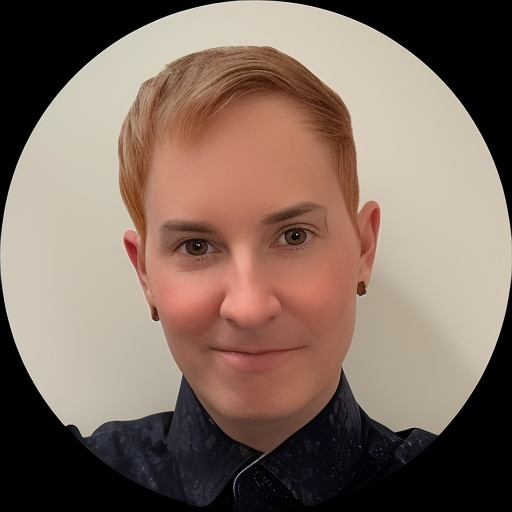
Keith Stauch is a Licensed Mental Health Counselor (LMHC) and Licensed Professional Counselor (LPC) with 11 years of experience. He practices in Connecticut and helps people with stress, anxiety, LGBT-related concerns, parenting challenges, self-esteem, depression, and motivation. He uses straightforward conversation to identify what is hard right now.
Sessions focus on practical steps and clearer thinking. He pays attention to sexual health and alternative sexual cultures when relevant to a person's concerns.
Background and approach
Keith draws on client-centered approaches to keep conversations focused on each person's goals. He also uses Cognitive Behavioral Therapy and Dialectical Behavior Therapy skills to address unhelpful thinking, strong emotions, and everyday coping. Solution-focused ideas help plan small, achievable changes between sessions.
When trauma is part of the story, he includes trauma-focused methods to reduce distress and improve day-to-day functioning. He helps people talk through grief, relationship strain, and issues around intimacy, sexuality, or gender identity in plain terms. His practice often supports people dealing with sleep and eating problems, addictions, caregiver stress, chronic illness, and life-direction questions.
Sessions aim to make difficulties easier to manage and clearer to understand, rather than offering quick fixes. To begin, readers are encouraged to follow the site's booking steps and complete the matching questionnaire. That starts a brief intake and the first scheduled session.
What Keith works with
Copied from Keith's public professional profile, in the words used there. It is what Keith lists, not a ranking or an assessment.
- Stress, Anxiety
- LGBT
- Parenting issues
- Self esteem
- Depression
- Addictions
- Relationship issues
- Family conflicts
- Trauma and abuse
- Grief
- Intimacy-related issues
- Eating disorders
- Sleeping disorders
- Anger management
- Career difficulties
- BDSM, kink, and alternative sex culture
- Caregiver issues and stress
- Chronic pain, illness, and disability
- Communication problems
- Family problems
- Gender dysphoria
- HIV / AIDS
- Impulsivity
- Infidelity
- Life purpose
- Multicultural concerns
- Panic disorder and panic attacks
- Polyamory / non-monogamous relationships
- Self-love
- Sexuality
- Workplace issues
- Young adult issues
Approaches Keith names
- Client-Centered Therapy
- Cognitive Behavioral Therapy (CBT)
- Dialectical Behavior Therapy (DBT)
- Solution-Focused Therapy
- Trauma-Focused Therapy
Naming an approach is not evidence of training in it. This directory shows what each therapist lists and does not check training records.
How his approaches translate to online work
Client-Centered Therapy centers the conversation on the person's priorities and values. Online sessions using this approach let the therapist and client set goals together and revisit them as life changes. Cognitive Behavioral Therapy (CBT) focuses on the links between thoughts, feelings, and behavior. In online sessions CBT often includes practical exercises, thought records, and action plans to try between meetings. Dialectical Behavior Therapy (DBT) offers skills for managing intense emotions and improving interpersonal effectiveness; online DBT-style work emphasizes concrete coping tools and step-by-step practice.Finding the right approach is part of the work. The therapist will collaborate with the client to choose methods that match current goals, symptoms, and day-to-day life. That choice can change over time as progress is made or new issues come up.
The original biography does not list specific session formats, so confirm which online options are offered before booking. Online work can make it easier to fit sessions into a busy schedule, shorten check-ins when needed, reduce travel time, and allow sessions without being on camera depending on the format offered. These practical benefits help sessions fit into real life while keeping the focus on skills, problem-solving, and clearer communication.
Questions people ask about Keith
What kinds of concerns does he help with?
He helps people with stress, anxiety, depression, parenting challenges, LGBT-related issues, relationship and family problems, and many sexual health concerns.
How would you describe his therapy style?
He keeps sessions practical and goal-oriented, using clear conversation and skill-building to address thinking, emotion, and behavior.
How much experience does he have?
He brings 11 years of professional experience working with a broad range of concerns listed above.
What credentials and location are listed?
He holds MA LMHC and CT LPC credentials and practices in Connecticut.
Does he work in other languages or internationally?
Sessions are offered in English and he is not accepting international clients.
What session formats are available?
The biography does not specify session formats; please confirm current session options before booking.
How much do sessions cost?
Cost varies by location and sessions use a subscription that can be canceled at any time.
How do I get started?
Select the See online therapy options button, complete the short matching questionnaire, and schedule a first session.
More therapists in Connecticut
Everyone in Connecticut
Gregory Page
LCSW
Connecticut 16 years in practice
LCSW in Connecticut - family and life stress
- Stress, Anxiety
- Addictions
- Anger

Suzanne Tyghter
LCSW
Connecticut 19 years in practice
LCSW - Family and stress support
- Stress, Anxiety
- Grief
- Self esteem
Sandra Ramos
LCSW
Connecticut 11 years in practice
LCSW - Relationships and family concerns
- Stress, Anxiety
- Relationship
- Depression
Surnames under S · everyone in the directory whose surname starts with S
Is this your profile?
Ask us to correct a detail or take the page down.
Contact us