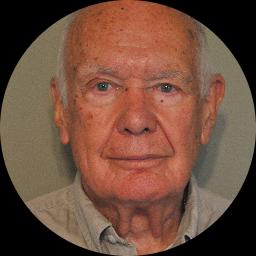
- LPCC, Ohio
- E.0003248-SUPV · runs to March 2026
- NPI
- 1194124065 · national provider identifier
- Years in practice
- 30
- Languages
- English, Estonian
As listed on Paul's public professional profile. A license can be checked with the state board that issued it, and an NPI with the national registry.
About Paul
Paul D. Wess is an Ohio LPCC with 30 years of experience supporting adults who face stress, anxiety, trauma and related struggles. He lists work with depression, bipolar disorder, addictions, relationship strain, grief, and intimacy concerns.
He also notes areas such as communication problems, attachment and issues around control and impulsivity. He holds master’s degrees in psychology and sociology and a Certificate of Advanced Graduate Study that reflects doctoral-level coursework.
Background and approach
That background informs how he thinks about development and life stages. He draws on clinical approaches like Acceptance and Commitment Therapy, Cognitive Behavioral Therapy, Dialectical Behavior Therapy and Client-Centered Therapy. Sessions focus on practical change.
He uses talk, reflection, and skill practice to help people manage symptoms and make clearer choices. Work can include examining patterns from earlier relationships, learning tools for anxiety or mood, and addressing grief or addiction concerns. Paul pays attention to how body, mind, emotions, and values connect.
He aims to help clients notice what matters and act in line with those values. That can mean building self-compassion, improving communication, or setting boundaries to reduce chronic stress. He offers sessions in English and Estonian and bases his practice in Ohio.
Prospective clients complete a short matching questionnaire and then schedule a first session to get started. Background and approach information above is practical and down-to-earth. The focus is on concrete skills, clearer thinking, and steady changes that fit everyday life.
He balances symptom work with exploration of meaning and life direction.
What Paul works with
Copied from Paul's public professional profile, in the words used there. It is what Paul lists, not a ranking or an assessment.
- Stress, Anxiety
- Trauma and abuse
- Anger management
- Bipolar disorder
- Depression
- Addictions
- Relationship issues
- Family conflicts
- Grief
- Intimacy-related issues
- Self esteem
- Coping with life changes
- Coaching
- Compassion fatigue
- Abandonment
- Attachment issues
- Communication problems
- Control issues
- Forgiveness
- Guilt and shame
- Impulsivity
- Isolation / loneliness
- Life purpose
- Men's issues
- Mood disorders
- Panic disorder and panic attacks
- Post-traumatic stress
- Self-love
- Sexuality
- Social anxiety and phobia
Approaches Paul names
- Acceptance and Commitment Therapy (ACT)
- Client-Centered Therapy
- Cognitive Behavioral Therapy (CBT)
- Dialectical Behavior Therapy (DBT)
- Existential Therapy
- Hypnotherapy
- Jungian Therapy
- Mindfulness Therapy
- Narrative Therapy
- Psychodynamic Therapy
- Somatic Therapy
- Trauma-Focused Therapy
- Internal Family Systems
Naming an approach is not evidence of training in it. This directory shows what each therapist lists and does not check training records.
Therapeutic approaches used for online sessions
Acceptance and Commitment Therapy (ACT) focuses on clarifying personal values and taking small, committed steps toward them. It can help when anxiety, avoidance, or life changes make it hard to act on what matters. Cognitive Behavioral Therapy (CBT) helps identify and change thought and behavior patterns that keep symptoms like depression, panic, or anger going. It uses practical exercises and homework to build new habits.Finding the right approach is part of the work. The therapist will discuss options and collaborate with the client to match methods to their needs, goals, and preferences. That means trying techniques, reviewing what helps, and adjusting the plan together over time.
Session logistics should be confirmed before booking, as current session formats are not specified in the biography. Online work can make it easier to fit therapy into a busy week, allow shorter check-ins when time is tight, or avoid travel. It also makes it possible to practice skills in real-life settings and bring those experiences back into sessions for review. Ask about the available session formats when scheduling to find what will fit day-to-day life and goals.
Questions people ask about Paul
What concerns does he address most often?
He works with stress, anxiety, trauma and abuse, depression, bipolar mood concerns, addictions, relationship and family issues, grief, and intimacy-related problems.
How would you describe his therapeutic style?
Sessions blend talk, reflection, and practical skill practice. He uses approaches like ACT, CBT, DBT, and Client-Centered Therapy to help people change patterns and manage symptoms.
How much clinical experience does he have?
He has 30 years of clinical experience and graduate training that includes two master’s degrees and a Certificate of Advanced Graduate Study.
What credential and location apply to his practice?
He is an LPCC licensed in Ohio and maintains his practice in that state.
Which languages are supported in sessions?
Sessions are offered in English and Estonian.
Can people outside the US work with him?
International clients are not currently accepted; he works with people located in Ohio.
How does payment and cost work?
Cost varies with location and services. Sessions use a subscription model that can be canceled at any time.
What are the first steps to begin?
Choose the See online therapy options button, complete a short matching questionnaire, and schedule the initial session.
More therapists in Ohio
Everyone in Ohio
Marlene Fannon
LISW
Ohio 20 years in practice
Licensed Independent Social Worker - Relationships and Parenting
- Stress, Anxiety
- LGBT
- Grief

John Nerswick
LIMFT, LMFT
Kentucky 15 years in practice
Licensed marriage and family therapist - relationships and parenting
- Stress, Anxiety
- Relationship
- Trauma and abuse
Amy Boggs
LISW
Ohio 19 years in practice
Ohio LISW - Family and parenting concerns
- Stress, Anxiety
- Depression
- Coping with life changes
Surnames under W · everyone in the directory whose surname starts with W
Is this your profile?
Ask us to correct a detail or take the page down.
Contact us