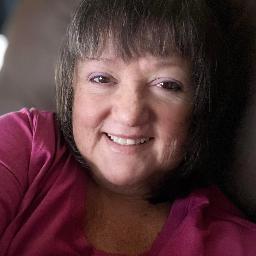
- LCSW, Indiana
- 34007759A · runs to April 2026
- NPI
- 1639057128 · national provider identifier
- Years in practice
- 17
- Languages
- English
As listed on Ann's public professional profile. A license can be checked with the state board that issued it, and an NPI with the national registry.
About Ann
Ann Stancil is a Licensed Clinical Social Worker (LCSW) practicing in Indiana with 17 years of experience. She works with stress, anxiety, family concerns, trauma and abuse, self-esteem, depression, addictions, LGBT issues, relationship questions, grief, intimacy-related problems, parenting worries, anger, bipolar disorder, and coping with life changes.
She uses straightforward conversation and practical strategies to help people sort priorities and reduce daily strain. Sessions focus on what a person is facing now and on small steps that can change how they manage emotions and relationships.
Background and approach
Ann draws on Client-Centered Therapy to listen and understand each person’s perspective. She also uses Cognitive Behavioral Therapy (CBT) to identify unhelpful thoughts and test new ways of thinking. Dialectical Behavior Therapy (DBT) skills are used when people need help with emotional regulation and managing strong reactions.
These methods are offered in simple, work-ready language so skills can be practiced between sessions. Ann has worked in behavioral health settings since graduating from Indiana University Northwest in 2009. Much of her early career was spent in a community behavioral health center where she supported people across the lifespan, from pediatric to geriatric concerns.
That background shaped a practical approach to common and complex problems. She emphasizes respect for differences in race, ethnicity, age, gender, sexuality, religion, and political views. People who are worried about family conflict, parenting challenges, or major life changes can expect direct, steady support focused on realistic next steps.
What Ann works with
Copied from Ann's public professional profile, in the words used there. It is what Ann lists, not a ranking or an assessment.
- Stress, Anxiety
- Family conflicts
- Trauma and abuse
- Self esteem
- Depression
- Addictions
- LGBT
- Relationship issues
- Grief
- Intimacy-related issues
- Parenting issues
- Anger management
- Bipolar disorder
- Coping with life changes
- Attachment issues
- Blended family issues
- Co-morbidity
- Disruptive Mood Dysregulation Disorder (DMDD)
- Drug and alcohol addiction
- Family problems
- Forgiveness
- Gender dysphoria
- Guilt and shame
- Hospice and end-of-life counseling
- Impulsivity
- Infidelity
- Life purpose
- Veteran and Armed Forces Issues
- Multicultural concerns
- Panic disorder and panic attacks
- Personality disorders
- Polyamory / non-monogamous relationships
- Post-traumatic stress
- Self-harm
- Self-love
- Sexual assault and abuse
- Social anxiety and phobia
- Young adult issues
Approaches Ann names
- Client-Centered Therapy
- Cognitive Behavioral Therapy (CBT)
- Dialectical Behavior Therapy (DBT)
Naming an approach is not evidence of training in it. This directory shows what each therapist lists and does not check training records.
How Ann’s approaches work in online sessions
Client-Centered Therapy focuses on listening and responding to each person’s viewpoint. In practice this means the therapist reflects concerns back, clarifies priorities, and helps people name what matters most. It supports family and relationship topics by keeping the person’s experience central.Cognitive Behavioral Therapy, or CBT, looks at thoughts and behaviors that keep problems going. Online sessions using CBT break issues into small steps, offer homework tasks, and test new ways of thinking about stressful situations. Dialectical Behavior Therapy, DBT, teaches concrete skills for emotional regulation and distress tolerance. These skills are useful when reactions feel intense or when people want steadier responses in family interactions.
Deciding which approach to use is collaborative. The therapist will work with the client to choose methods that match goals, preferences, and the specific problems being addressed. That often means trying a few options and adjusting as progress is made.
Confirm the current session formats before booking because the biography does not list specific options. Online work can make it easier to fit sessions around school, work, and family time. It can also allow shorter check-ins when a full session is not needed, or let people choose audio over video when bandwidth or comfort is a concern.
Questions people ask about Ann
What kinds of issues does she help with?
She helps with stress, anxiety, family concerns, trauma and abuse, self-esteem, depression, addictions, relationship and intimacy issues, grief, parenting, anger, bipolar concerns, and coping with life changes.
How would she describe her therapeutic style?
Her style is practical and person-focused. She listens using Client-Centered Therapy and offers clear skills from CBT and DBT when those methods fit.
How much clinical experience does she have?
She has 17 years of experience working in behavioral health settings, beginning after graduation from Indiana University Northwest in 2009.
What are her credentials and where is she based?
She holds an LCSW in Indiana and practices there.
Does she offer sessions in other languages or to international clients?
Sessions are offered in English. International clients are not currently accepted.
What session formats are available?
Please confirm current session format options before booking, as the biography does not list specific formats.
How is pricing handled?
Cost varies with location and sessions use a subscription model that can be canceled at any time.
What do I need to do to get started?
Select the See online therapy options button, complete the short matching questionnaire, and schedule a first session.
More therapists in Indiana
Everyone in Indiana
Jaimie Zahn
LMHC
Indiana 6 years in practice
Licensed Mental Health Counselor - Family and parenting focus
- Stress, Anxiety
- LGBT
- Self esteem

Mary Pruett
LCSW
Indiana 26 years in practice
Licensed Clinical Social Worker - Family and parenting
- Stress, Anxiety
- Addictions
- Self esteem

Phillip Mitchell II
LCSW
Indiana 3 years in practice
Licensed Clinical Social Worker - Family and parenting concerns
- Stress, Anxiety
- Relationship
- Depression
Surnames under S · everyone in the directory whose surname starts with S
Is this your profile?
Ask us to correct a detail or take the page down.
Contact us