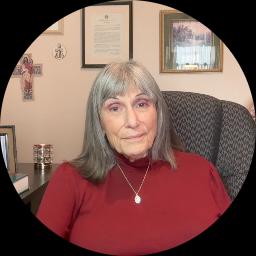
Rev. Catherine Bogue, LCSW
Rev. Catherine Bogue LCSW - Family and parenting concerns
- LCSW, Missouri
- 003607 · runs to September 2026
- NPI
- 1194831180 · national provider identifier
- Years in practice
- 47
- Languages
- English
As listed on Catherine's public professional profile. A license can be checked with the state board that issued it, and an NPI with the national registry.
About Catherine
Rev. Catherine Bogue is a Licensed Clinical Social Worker (LCSW) in Missouri with 47 years of experience. She supports people facing stress, anxiety, depression, grief, trauma, addiction, parenting concerns, family strain, intimacy-related issues, anger, and self-esteem problems.
Her work also includes coping with life changes and compassion fatigue. She uses straightforward conversation and practical skills in sessions. She helps clients name what feels most urgent and build steps to manage it.
Background and approach
Sessions often combine talking through painful memories with concrete tools for daily life. Catherine draws on several therapy approaches such as Acceptance and Commitment Therapy, Cognitive Behavioral Therapy, and Emotionally-Focused Therapy to address emotional and behavioral patterns. She also uses Client-Centered and Dialectical Behavior Therapy techniques when they fit a person’s needs.
These methods are applied in everyday language rather than technical terms. Her background spans many areas that affect families and individuals, including blended family issues, divorce and separation, family of origin concerns, and caregiving around aging or hospice. She has experience with substance use problems, domestic violence, dissociation, and veteran-related issues.
People working with her can expect direct attention to real-life problems like parenting stress, grief after loss, and rebuilding after trauma. She asks practical questions, suggests manageable coping strategies, and reviews progress as therapy continues. International clients may be accepted; confirm session options before booking.
What Catherine works with
Copied from Catherine's public professional profile, in the words used there. It is what Catherine lists, not a ranking or an assessment.
- Stress, Anxiety
- Addictions
- Trauma and abuse
- Grief
- Depression
- Family conflicts
- Intimacy-related issues
- Parenting issues
- Anger management
- Self esteem
- Bipolar disorder
- Coping with life changes
- Compassion fatigue
- Aging and geriatric issues
- Blended family issues
- Co-morbidity
- Codependency
- Coping with natural or human-caused disaster
- Dissociation
- Divorce and separation
- Domestic violence
- Drug and alcohol addiction
- Family of origin issues
- Guilt and shame
- Hearing impaired
- Hospice and end-of-life counseling
- Midlife crisis
- Veteran and Armed Forces Issues
- Mood disorders
- Post-traumatic stress
- Process addiction (porn, exercise, gambling)
- Self-harm
- Sexual assault and abuse
- Somatization
- Young adult issues
Approaches Catherine names
- Acceptance and Commitment Therapy (ACT)
- Client-Centered Therapy
- Cognitive Behavioral Therapy (CBT)
- Dialectical Behavior Therapy (DBT)
- Emotionally-Focused Therapy (EFT)
- Narrative Therapy
- Psychodynamic Therapy
- Solution-Focused Therapy
- Somatic Therapy
- Trauma-Focused Therapy
Naming an approach is not evidence of training in it. This directory shows what each therapist lists and does not check training records.
Therapeutic approaches and working online
Acceptance and Commitment Therapy (ACT) helps people notice difficult thoughts and feelings while choosing actions that match their values. It can be useful for stress, anxiety, and coping with life changes. Cognitive Behavioral Therapy (CBT) focuses on identifying unhelpful thoughts and testing them with real-life experiments to change patterns of behavior. It often helps with depression, anxiety, and problem-solving. Emotionally-Focused Therapy (EFT) concentrates on emotions and relational patterns to help people understand strong feelings and how they affect behavior.Choosing the right approach is part of the work. The therapist will discuss goals, preferences, and what feels most helpful. That discussion guides which methods get used, and adjustments are made as progress is tracked. The process is collaborative, with the client and therapist reviewing what helps.
Confirm current session options before booking so you know how sessions are held. Online sessions can help fit therapy into busy family routines and make it easier to have shorter check-ins when needed. For some people, not needing to travel saves time; for others, audio sessions use less bandwidth and can be a simpler way to start. Discuss practical scheduling and format details during the matching and booking steps.
Questions people ask about Catherine
What concerns does she help with most often?
She focuses on stress, anxiety, depression, grief, trauma, addiction, parenting, family strain, intimacy-related issues, anger, and self-esteem.
How would you describe her therapeutic style?
She uses plain language and practical skills, combining talk with tools to manage day-to-day problems and strong emotions.
How much clinical experience does she have?
She brings 47 years of clinical experience as a social worker to her practice.
What are her credentials and where is she based?
She is a Licensed Clinical Social Worker, MO LCSW, and practices from Missouri.
Which languages are supported?
Sessions are offered in English.
Does she work with international clients?
International clients are accepted; confirm specific session options before booking.
How are sessions priced?
Cost varies with location and sessions use a subscription that can be canceled at any time.
How do I begin working with her?
Select the See online therapy options button, complete a short matching questionnaire, and schedule a first session.
More therapists in Missouri
Everyone in Missouri
Logan L Comegys
LCSW
Missouri 20 years in practice
Licensed Clinical Social Worker - Family and caregiving
- Trauma and abuse
- Grief
- Coping with life changes

Leon VanDyke
LPC
Missouri 5 years in practice
Licensed Professional Counselor - Family and anxiety support
- Stress, Anxiety
- Trauma and abuse
- Depression
Patrick Shanahan
LCSW
Missouri 44 years in practice
LCSW working with relationships and family concerns
- Relationship
- Grief
- Anger
Surnames under B · everyone in the directory whose surname starts with B
Is this your profile?
Ask us to correct a detail or take the page down.
Contact us