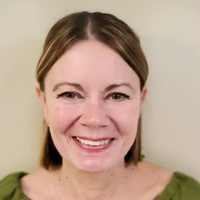
- LCSW, Virginia
- 0904007028 · runs to June 2027
- NPI
- 1326289398 · national provider identifier
- Years in practice
- 3
- Languages
- English
As listed on Cindy's public professional profile. A license can be checked with the state board that issued it, and an NPI with the national registry.
About Cindy
LCSW in Virginia with three years of clinical experience, Cindy Logan helps people who are coping with stress, anxiety, depression, grief, and changes in family roles. She lists support for relationship strain, parenting worries, addiction concerns, trauma and abuse, intimacy issues, sleep and eating problems, anger, and self-esteem struggles.
Cindy also notes additional focus areas such as caregiver stress, chronic illness, attachment issues, and feelings of abandonment. Cindy uses clear, direct conversations to help people notice unhelpful patterns.
Background and approach
She helps clients name painful feelings and the thoughts that follow them. Together they practice strategies to reduce distress and manage strong reactions in daily life. Her approach draws on attachment-based ideas, client-centered techniques, cognitive behavioral tools, dialectical behavior skills, and mindfulness practices.
That means sessions can include exploring how early relationships shape current responses, talking through what matters most to the client, trying experiments to change thinking, learning ways to tolerate intense emotions, and using short mindfulness exercises to steady attention. Sessions are practical and focused on what a person can use between meetings.
Cindy emphasizes building resilience, increasing self-awareness, and creating clearer communication patterns at home. She works with the client to set goals and practices that fit their day-to-day life. Cindy accepts people who live outside the United States as well as those in Virginia.
She conducts work in English and maintains a straightforward style that aims to reduce confusion about next steps.
What Cindy works with
Copied from Cindy's public professional profile, in the words used there. It is what Cindy lists, not a ranking or an assessment.
- Stress, Anxiety
- Relationship issues
- Self esteem
- Depression
- Coping with life changes
- Addictions
- Family conflicts
- Trauma and abuse
- Grief
- Intimacy-related issues
- Eating disorders
- Sleeping disorders
- Parenting issues
- Anger management
- Abandonment
- Aging and geriatric issues
- Attachment issues
- Cancer
- Caregiver issues and stress
- Chronic pain, illness, and disability
- Codependency
- Communication problems
- Control issues
- Coping with natural or human-caused disaster
- Dependent personality
- Disruptive Mood Dysregulation Disorder (DMDD)
- Emptiness
- Forgiveness
- Guilt and shame
- Hoarding
- Hospice and end-of-life counseling
- Isolation / loneliness
- Jealousy
- Life purpose
- Money and financial issues
- Mood disorders
- Obsessions, compulsions, and OCD
- Paranoia
- Process addiction (porn, exercise, gambling)
- Seasonal Affective Disorder (SAD)
- Self-love
- Social anxiety and phobia
- Somatization
- Women's issues
- Workplace issues
Approaches Cindy names
- Attachment-Based Therapy
- Client-Centered Therapy
- Cognitive Behavioral Therapy (CBT)
- Dialectical Behavior Therapy (DBT)
- Mindfulness Therapy
- Motivational Interviewing
- Psychodynamic Therapy
- Solution-Focused Therapy
Naming an approach is not evidence of training in it. This directory shows what each therapist lists and does not check training records.
How her approaches translate to online work
Attachment-Based Therapy looks at how early bonds influence today's reactions. Online sessions can include talking about relationship patterns and practicing new ways of relating. Client-Centered Therapy focuses on the client's priorities and uses reflective listening to clarify what matters most in a person's life. Cognitive Behavioral Therapy (CBT) breaks problems into thoughts, feelings, and behaviors and uses short exercises to test and change unhelpful thinking.Choosing a method is a collaborative process. The therapist and client will review goals, try approaches, and adjust what they use based on what helps. That may mean mixing skill work, mindful practice, and discussion to fit a client's needs and preferences.
Confirm current session formats before booking, as the profile does not list specific delivery methods. Online work can make it easier to fit sessions into a busy routine, allow shorter check-ins when time is limited, and reduce travel time. The therapist will discuss scheduling, session length, and practical arrangements so sessions can be arranged around school, work, or caregiving responsibilities.
Questions people ask about Cindy
What issues does she help with most often?
She works with stress, anxiety, depression, grief, relationship strain, parenting concerns, addictions, trauma and related challenges listed in her profile.
How would you describe her therapeutic style?
She uses straightforward conversation and practical skills. Sessions focus on noticing patterns, practicing coping strategies, and improving communication.
What is her clinical experience?
She has three years of professional experience providing clinical social work services as an LCSW.
Where is she licensed and based?
She is a Licensed Clinical Social Worker (LCSW) in Virginia and lists Virginia as her location.
What languages are sessions offered in?
Sessions are offered in English.
Can people outside the U.S. work with her?
She accepts international clients according to the profile information provided.
How are fees and payment handled?
Cost varies by location and sessions use a subscription that can be canceled at any time.
How do I begin working with her?
Click the See online therapy options button, complete a short matching questionnaire, and schedule your first session.
More therapists in Virginia
Everyone in Virginia
Robert Steele
LCSW
Virginia 26 years in practice
LCSW - Family and relationship concerns
- Stress, Anxiety
- Relationship
- Trauma and abuse

Miriam Matthews
LICSW, LCSW
Virginia 10 years in practice
LICSW in Virginia - Relationships and Trauma
- Relationship
- Trauma and abuse
- Self esteem

Sonya Allen
LPC
Virginia 6 years in practice
Licensed Professional Counselor - Family and parenting
- Stress, Anxiety
- Trauma and abuse
- Depression
Surnames under L · everyone in the directory whose surname starts with L
Is this your profile?
Ask us to correct a detail or take the page down.
Contact us