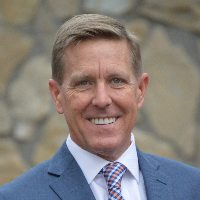
- LPC, Missouri
- 2017028738 · runs to June 2027
- NPI
- 1790398675 · national provider identifier
- Years in practice
- 6
- Languages
- English
As listed on David's public professional profile. A license can be checked with the state board that issued it, and an NPI with the national registry.
About David
David Yoder is a Licensed Professional Counselor (LPC) in Missouri with six years of practice. He focuses on stress, anxiety, depression, addiction, relationship concerns, parenting strain, grief, and life changes and lists a wide range of related areas he commonly addresses. He centers his work on a person-centered approach.
That means conversations begin with the client's own experience and goals. He often pairs that with cognitive behavioral strategies and dialectical behavior techniques when they fit a person's needs.
Background and approach
He also uses hypnotherapy and existential ideas at times, depending on what a client needs. Sessions are practical and conversational. He listens for how fear and habit show up in daily life, then looks at simple steps to change them.
That can mean mapping patterns, trying new coping skills, or testing a different way of looking at a problem. He aims to keep suggestions clear and doable between sessions. David is open about using a mix of approaches rather than one fixed method.
He believes people respond differently, so he adjusts tools to what actually helps. His background includes work with addiction and mood concerns, and he names family and parenting among his common topics. People who choose him should expect a straightforward style that emphasizes practical skills and personal reflection.
He practices in Missouri and conducts sessions in English. To begin, clients use the site's matching and scheduling steps to set up a first appointment.
What David works with
Copied from David's public professional profile, in the words used there. It is what David lists, not a ranking or an assessment.
- Stress, Anxiety
- Addictions
- Relationship issues
- Self esteem
- Coping with life changes
- LGBT
- Family conflicts
- Trauma and abuse
- Grief
- Sleeping disorders
- Parenting issues
- Anger management
- Career difficulties
- Bipolar disorder
- Depression
- ADHD
- Antisocial personality
- Attachment issues
- Co-morbidity
- Codependency
- Communication problems
- Control issues
- Divorce and separation
- Drug and alcohol addiction
- Family of origin issues
- Family problems
- Forgiveness
- Guilt and shame
- Impulsivity
- Isolation / loneliness
- Life purpose
- Men's issues
- Midlife crisis
- Money and financial issues
- Mood disorders
- Narcissism
- Obsessions, compulsions, and OCD
- Panic disorder and panic attacks
- Personality disorders
- Phobias
- Post-traumatic stress
- Process addiction (porn, exercise, gambling)
- Self-harm
- Self-love
- Sexual assault and abuse
- Smoking / vaping cessation
- Social anxiety and phobia
- Workplace issues
- Young adult issues
Approaches David names
- Client-Centered Therapy
- Cognitive Behavioral Therapy (CBT)
- Dialectical Behavior Therapy (DBT)
- Existential Therapy
- Hypnotherapy
- Mindfulness Therapy
- Motivational Interviewing
- Narrative Therapy
- Solution-Focused Therapy
- Somatic Therapy
- Trauma-Focused Therapy
Naming an approach is not evidence of training in it. This directory shows what each therapist lists and does not check training records.
How his approaches translate to online sessions
David often blends a person-centered foundation with cognitive behavioral therapy (CBT) and dialectical behavior therapy (DBT) tools. Person-Centered Therapy focuses on listening to a client's experience and helping them name what matters. CBT looks at thoughts and behaviors and teaches concrete skills to shift unhelpful patterns. DBT adds skills for emotion regulation and distress tolerance, useful for strong feelings and impulsive actions.Finding the right mix of approaches is part of the work. He will talk with each person about goals and preferences, and then suggest techniques to try. That collaborative process helps decide whether to lean more on CBT, DBT, hypnotherapy, or other methods listed in his background.
The practical benefit of working online is fitting sessions into a busy life. Confirm the current session formats before booking to know whether video or another option is offered. People often choose online sessions to reduce travel time, make shorter check-ins easier around a workday, or to use options that need less bandwidth or no camera. These practical fits can make it simpler to keep progress between appointments.
Questions people ask about David
What types of problems does he help with most often?
He works with stress, anxiety, depression, addictions, relationship strain, parenting concerns, grief, and life transitions among other issues.
How would you describe his therapy style?
He uses a person-centered approach as the base and often integrates CBT and DBT techniques when useful to address patterns and coping skills.
How much experience does he have?
He has six years of experience as a Licensed Professional Counselor (LPC).
Where is he licensed and practicing?
He holds an LPC credential in Missouri and practices there.
Which languages are supported in sessions?
Sessions are offered in English.
Can people outside the United States work with him?
He does not accept international clients at this time.
How are fees handled?
Cost varies with location and sessions use a subscription model that can be canceled at any time.
What are the first steps to begin?
Use the See online therapy options button, complete the short matching questionnaire, and schedule a first session.
More therapists in Missouri
Everyone in Missouri
Logan L Comegys
LCSW
Missouri 20 years in practice
Licensed Clinical Social Worker - Family and caregiving
- Trauma and abuse
- Grief
- Coping with life changes

Leon VanDyke
LPC
Missouri 5 years in practice
Licensed Professional Counselor - Family and anxiety support
- Stress, Anxiety
- Trauma and abuse
- Depression
Patrick Shanahan
LCSW
Missouri 44 years in practice
LCSW working with relationships and family concerns
- Relationship
- Grief
- Anger
Surnames under Y · everyone in the directory whose surname starts with Y
Is this your profile?
Ask us to correct a detail or take the page down.
Contact us