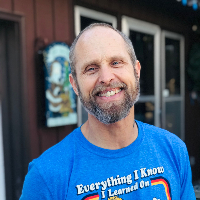
- LCSW, Wisconsin
- 3003-123 · runs to February 2027
- NPI
- 1528483088 · national provider identifier
- Years in practice
- 19
- Languages
- English
As listed on David's public professional profile. A license can be checked with the state board that issued it, and an NPI with the national registry.
About David
David Krych is a Licensed Clinical Social Worker (LCSW) in Wisconsin with 19 years of clinical experience. He works with people dealing with stress, anxiety, addiction, parenting concerns, relationship and family problems, grief, depression, and life changes. He also addresses intimacy issues, compassion fatigue, and other practical struggles that come up in daily life.
He began his career working with adolescents, including young men involved with the juvenile justice system.
Background and approach
After a period away from counseling to work outdoors, he entered recovery from addiction and later refocused his clinical work on supporting people with substance use and related issues. That personal experience informs how he talks about recovery and long-term change. In sessions he focuses on getting to know each person’s goals and history.
He uses practical skills, personal strengths, and talk-based approaches to help people notice patterns and make different choices. He describes progress as small shifts in self-acceptance and action rather than quick fixes. He draws on methods such as client-centered work, cognitive behavioral tools, emotionally-focused ideas, and motivational interviewing to support problem solving.
He also integrates existential questions about meaning and purpose when those topics come up. People looking for help with parenting stress, fatherhood questions, addiction recovery, or family-origin issues will find his background relevant. He works in ways that emphasize steady practice, honest reflection, and realistic next steps rather than perfect solutions.
What David works with
Copied from David's public professional profile, in the words used there. It is what David lists, not a ranking or an assessment.
- Stress, Anxiety
- Addictions
- Intimacy-related issues
- Parenting issues
- Compassion fatigue
- Relationship issues
- Family conflicts
- Trauma and abuse
- Grief
- Eating disorders
- Anger management
- Bipolar disorder
- Depression
- Coping with life changes
- Coaching
- Abandonment
- Body image
- Caregiver issues and stress
- Co-morbidity
- Codependency
- Communication problems
- Drug and alcohol addiction
- Emptiness
- Family of origin issues
- Family problems
- Fatherhood issues
- Forgiveness
- Guilt and shame
- Isolation / loneliness
- Life purpose
- Men's issues
- Midlife crisis
- Seasonal Affective Disorder (SAD)
- Self-love
- Social anxiety and phobia
- Workplace issues
Approaches David names
- Client-Centered Therapy
- Cognitive Behavioral Therapy (CBT)
- Emotionally-Focused Therapy (EFT)
- Existential Therapy
- Motivational Interviewing
- Solution-Focused Therapy
Naming an approach is not evidence of training in it. This directory shows what each therapist lists and does not check training records.
How his approaches translate to online work
Client-Centered Therapy focuses on listening and reflecting so people can find their own answers. Online sessions using this approach usually involve open conversation and support for setting practical next steps.Cognitive Behavioral Therapy (CBT) looks at how thoughts and behaviors interact. In remote sessions the therapist and client can use structured exercises and homework to change unhelpful patterns that feed anxiety, depression, or addictive behaviors.
Emotionally-Focused Therapy (EFT) helps identify and work with strong emotions that affect relationships. Online meetings can be used to name those feelings, practice new responses, and rehearse clearer communication.
Finding the right approach is part of the work. The therapist will discuss goals, preferences, and what has or hasn’t worked before, then recommend ways to combine methods. That collaborative process helps shape session focus and homework.
Specific session formats are not listed in the biography, so confirm current online options before booking. Many people appreciate remote sessions because they can fit meetings into a busy day, reduce travel time, or choose a shorter check-in when needed. The therapist will discuss scheduling and session length to fit daily life.
Questions people ask about David
What concerns does he help with most often?
He helps people with stress, anxiety, addiction issues, parenting challenges, relationship and family problems, grief, depression, and coping with life changes.
What is his therapeutic style like?
He works in a conversational, practical way that focuses on goals, personal strengths, and actionable skills. He uses client-centered listening along with cognitive and emotionally focused tools.
How long has he been practicing?
He has 19 years of clinical experience and previous work with adolescents and people in recovery.
What are his credentials and where is he based?
He is a Licensed Clinical Social Worker (LCSW) licensed in Wisconsin and practices there.
Can I work with him if I live outside the United States?
He accepts international clients. Sessions are offered in English.
Which session formats does he offer?
Please confirm current session options before booking since specific formats are not listed in the biography.
How does payment work and what does it cost?
Cost varies with location and sessions use a subscription that can be canceled at any time.
How do I get started?
Select the See online therapy options button, complete a short matching questionnaire, and schedule a first session.
More therapists in Wisconsin
Everyone in Wisconsin
Kim Lawrence
LCSW
Wisconsin 6 years in practice
LCSW - Stress and parenting support
- Stress, Anxiety
- Trauma and abuse
- Bipolar
Megan McDermott
LCSW
Wisconsin 3 years in practice
Licensed Clinical Social Worker - Family and Parenting
- Addictions
- Relationship
- Coping with life changes
Dr. Paul Deutsch
LPC
Wisconsin 23 years in practice
LPC in Wisconsin - family and relationship concerns
- Stress, Anxiety
- Trauma and abuse
- Eating
Surnames under K · everyone in the directory whose surname starts with K
Is this your profile?
Ask us to correct a detail or take the page down.
Contact us