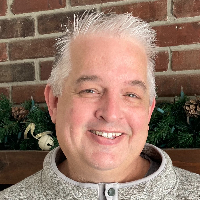
- LCSW, Missouri
- 2017039593 · runs to September 2027
- NPI
- 1912380635 · national provider identifier
- Years in practice
- 10
- Languages
- English
As listed on David's public professional profile. A license can be checked with the state board that issued it, and an NPI with the national registry.
About David
David Rowland is a Licensed Clinical Social Worker (LCSW) in Missouri with ten years of practice experience. He works with people facing depression, anxiety, stress, anger, caregiver strain, compassion fatigue, life transitions and aging concerns. He also addresses parenting questions and family issues.
He prefers a conversational, person-focused way of working and asks about life beyond symptoms to find workable steps forward. Rowland uses clear, practical techniques rather than technical jargon.
Background and approach
He draws on cognitive behavioral ideas to identify unhelpful thinking and try new behaviors. He also uses Acceptance and Commitment Therapy to help people notice what matters most and act on those values. Motivational Interviewing and solution-focused methods offer brief, goal-oriented tools for making changes that fit day-to-day life.
Sessions are meant to be straightforward and collaborative. He listens for what is getting in the way of functioning and suggests doable experiments to try between meetings. He often combines talking with simple behavioral steps and short exercises to check progress.
He brings personal perspective as a parent and someone from the Midwest, and he includes that background when it helps the conversation. Outside work he enjoys sports, music and movies, which he sometimes uses to connect over common ground. People choose him when they want practical support for mood, stress, grief, relationship tension, parenting concerns or caregiver burnout.
If you want a direct, conversational approach with clear next steps, he can help you sort options and set small goals.
What David works with
Copied from David's public professional profile, in the words used there. It is what David lists, not a ranking or an assessment.
- Stress, Anxiety
- Grief
- Parenting issues
- Anger management
- Depression
- Relationship issues
- Family conflicts
- Trauma and abuse
- Sleeping disorders
- Bipolar disorder
- Coping with life changes
- Compassion fatigue
- Adoption and foster care
- Aging and geriatric issues
- Attachment issues
- Caregiver issues and stress
- Communication problems
- Divorce and separation
- Family problems
- Fatherhood issues
- Forgiveness
- Guilt and shame
- Hospice and end-of-life counseling
- Isolation / loneliness
- Life purpose
- Men's issues
- Mood disorders
- Panic disorder and panic attacks
- Seasonal Affective Disorder (SAD)
- Social anxiety and phobia
- Workplace issues
Approaches David names
- Acceptance and Commitment Therapy (ACT)
- Cognitive Behavioral Therapy (CBT)
- Motivational Interviewing
- Solution-Focused Therapy
Naming an approach is not evidence of training in it. This directory shows what each therapist lists and does not check training records.
Therapeutic approaches and working online
Acceptance and Commitment Therapy (ACT) focuses on noticing thoughts and feelings without getting stuck in them, then choosing actions that reflect your values. It can help with anxiety, depression, grief, and decisions about family roles. Cognitive Behavioral Therapy (CBT) looks at the links between thoughts, feelings, and behaviors and uses small experiments to shift patterns that maintain distress. That approach is often useful for mood, sleep, and anger management.Choosing the right approach is part of the work together. The therapist will talk with you about goals, preferences, and daily challenges and will use that conversation to decide whether ACT, CBT, or solution-oriented techniques fit best. This is a collaborative process and plans can change as progress is reviewed.
Confirm specific session formats before booking because the biography does not list formats here. Online sessions are often helpful because they let people schedule meetings around work, caregiving, or other obligations. They can make shorter check-ins easier and avoid travel time. If you want to use online sessions, check the session options offered when you complete the matching questionnaire so you know how appointments will be scheduled and delivered.
Questions people ask about David
What kinds of problems does he help with?
He helps people dealing with stress, anxiety, depression, grief, anger, sleep problems, bipolar mood concerns, and caregiving strain. He also focuses on parenting issues and broader family problems.
What is his therapy style like?
His style is conversational and person-centered. He mixes practical tasks, short exercises, and talk to help clients try new responses between sessions.
How much clinical experience does he have?
He has ten years of professional practice experience, working with mood, stress, caregiving, and life transition issues since 2015.
What credentials and location does he hold?
He is a Licensed Clinical Social Worker (LCSW) licensed in Missouri. He practices from that state and lists Missouri as his location.
Which languages are supported for sessions?
Sessions are offered in English.
Can people outside the US work with him?
International clients are accepted; confirm any cross-border details when you start the matching process.
How are costs handled?
Cost varies with location and sessions use a subscription model that can be canceled at any time. Exact pricing depends on where you are located.
What steps are needed to begin?
Choose the See online therapy options button, complete a short matching questionnaire, and schedule your first session to get started.
More therapists in Missouri
Everyone in Missouri
Logan L Comegys
LCSW
Missouri 20 years in practice
Licensed Clinical Social Worker - Family and caregiving
- Trauma and abuse
- Grief
- Coping with life changes

Leon VanDyke
LPC
Missouri 5 years in practice
Licensed Professional Counselor - Family and anxiety support
- Stress, Anxiety
- Trauma and abuse
- Depression
Patrick Shanahan
LCSW
Missouri 44 years in practice
LCSW working with relationships and family concerns
- Relationship
- Grief
- Anger
Surnames under R · everyone in the directory whose surname starts with R
Is this your profile?
Ask us to correct a detail or take the page down.
Contact us