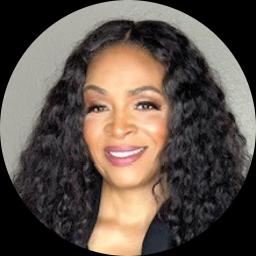
- LCMHC, North Carolina
- 11121 · runs to June 2028
- NPI
- 1922488287 · national provider identifier
- Years in practice
- 11
- Languages
- English
As listed on Monica's public professional profile. A license can be checked with the state board that issued it, and an NPI with the national registry.
About Monica
Monica Farrer is a Licensed Clinical Mental Health Counselor (LCMHC) in North Carolina with 11 years of experience. She helps people who are dealing with stress, anxiety, addiction, parenting concerns, relationship strain, depression, grief, trauma, and problems at home. Her work also covers intimacy-related issues, sleep difficulties, anger, low self-esteem, and life changes.
Monica uses straightforward talk and practical strategies. She draws on client-centered methods to focus conversations on what matters to each person.
Background and approach
Cognitive Behavioral Therapy (CBT) and Dialectical Behavior Therapy (DBT) shape how she addresses unhelpful thoughts and intense emotions. Mindfulness and motivational interviewing are added tools when useful. In sessions she listens for the immediate problems and the patterns behind them.
That helps set clear, doable steps clients can try between meetings. For parenting and family stress she focuses on communication, boundaries, and realistic goals rather than blame or judgment. Monica has worked across a range of issues including addiction, blended family stress, caregiver burden, divorce and separation, and multicultural concerns.
She also supports people facing career shifts, midlife questions, and challenges tied to military service. Her style is practical and direct. Clients leave with specific skills to manage anxiety, cope with grief, improve sleep, and reduce conflict at home.
To begin, readers should confirm current session options before booking so they know how Monica is meeting with clients.
What Monica works with
Copied from Monica's public professional profile, in the words used there. It is what Monica lists, not a ranking or an assessment.
- Stress, Anxiety
- Addictions
- Relationship issues
- Parenting issues
- Depression
- Family conflicts
- Trauma and abuse
- Grief
- Intimacy-related issues
- Sleeping disorders
- Anger management
- Self esteem
- Career difficulties
- Bipolar disorder
- Coping with life changes
- Compassion fatigue
- Blended family issues
- Caregiver issues and stress
- Co-morbidity
- Divorce and separation
- Drug and alcohol addiction
- Family problems
- Forgiveness
- Guilt and shame
- Impulsivity
- Isolation / loneliness
- Jealousy
- Life purpose
- Midlife crisis
- Veteran and Armed Forces Issues
- Multicultural concerns
- Postpartum depression
- Pregnancy and childbirth
- Prejudice and discrimination
- Seasonal Affective Disorder (SAD)
- Self-love
- Workplace issues
- Young adult issues
Approaches Monica names
- Client-Centered Therapy
- Cognitive Behavioral Therapy (CBT)
- Dialectical Behavior Therapy (DBT)
- Mindfulness Therapy
- Motivational Interviewing
- Solution-Focused Therapy
Naming an approach is not evidence of training in it. This directory shows what each therapist lists and does not check training records.
How her methods translate to remote sessions
Monica integrates Client-Centered Therapy, Cognitive Behavioral Therapy (CBT), and Dialectical Behavior Therapy (DBT) into her work. Client-Centered Therapy means she centers the conversation on the person's own concerns and choices, helping people voice what matters most. CBT focuses on identifying and changing unhelpful thoughts and behaviors, which can reduce anxiety and improve mood. DBT adds strategies for managing strong emotions and impulsive reactions, useful for anger, addiction, and intense relationship conflicts.Finding the right mix of approaches is part of the process. Monica works with each person to decide which methods fit their goals and preferences. That collaborative planning helps set clear, practical targets for therapy and guides what happens in sessions.
The therapist's biography does not list specific online session formats, so confirm current options before booking. Online work can make it easier to fit appointments into a busy schedule, allow shorter check-ins when needed, and reduce travel time. Remote sessions also let people practice skills in their everyday surroundings and apply coping tools between meetings without a long commute.
Questions people ask about Monica
What problems does she help with most often?
She works with stress, anxiety, depression, addiction, parenting worries, relationship strain, trauma, grief, and related concerns such as sleep and anger.
How would you describe her approach in sessions?
She uses client-centered conversation along with CBT and DBT tools. Sessions focus on practical steps and skills people can try between meetings.
How many years has she practiced?
She has 11 years of professional experience working with a range of mental health and life challenges.
What credential does she hold and where does she work?
She is an LCMHC licensed in North Carolina and provides services from that state.
Does she offer sessions in other languages?
Sessions are offered in English.
What session formats are available?
The original biography does not specify session formats. Please confirm current session options before booking.
How are sessions paid for?
Cost varies with location and sessions use a subscription that can be canceled at any time.
How do I get started with scheduling?
Select the See online therapy options button, complete a short matching questionnaire, and schedule a first session.
More therapists in North Carolina
Everyone in North Carolina
Patricia Greer
LCSW
North Carolina 20 years in practice
LCSW - Family and parenting support
- Stress, Anxiety
- Addictions
- Trauma and abuse

Korie Roane
LCSW
North Carolina 3 years in practice
Licensed Clinical Social Worker - Family and stress concerns
- Stress, Anxiety
- Anger
- Self esteem

Stephen Richardson
LCSW, LISW-CP
North Carolina 10 years in practice
Licensed clinical social worker - Family and relationship concerns
- Stress, Anxiety
- Relationship
- Bipolar
Surnames under F · everyone in the directory whose surname starts with F
Is this your profile?
Ask us to correct a detail or take the page down.
Contact us