
- LCPC, Montana
- BBH-LCPC-LIC-55464 · runs to December 2026
- NPI
- 1104342880 · national provider identifier
- Years in practice
- 9
- Languages
- English
As listed on Blanche's public professional profile. A license can be checked with the state board that issued it, and an NPI with the national registry.
About Blanche
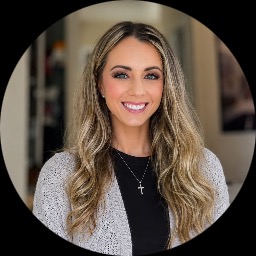
Blanche Sumner is a Licensed Clinical Professional Counselor (LCPC) in Montana with nine years of clinical experience. She works with adults and transitional-age clients on grief, shame, LGBTQIA2S+ concerns, and trauma, along with a range of other issues people bring to therapy. Her practical aim is to help people notice their inner experience so they can make clearer choices about next steps.
Sumner typically uses straightforward conversation and reflection to name patterns that get in the way.
Background and approach
She pays attention to how past loss and attachment wounds show up in current behavior. That can mean talking through grief, understanding shame responses, or identifying how trauma affects relationships and daily functioning. She also supports people dealing with anxiety, depression, stress, addictions, and problems around intimacy or body image.
For those coping with major life changes, she focuses on helping clients recognize what they can influence and what needs different handling. Sessions emphasize clear goals and practical steps, not abstract theory. Her background includes work with Indigenous communities and with adolescents through transitional-age adult clients.
That experience informs how she listens for cultural and developmental context when concerns arise. Clients can expect a direct, respectful approach aimed at making thoughts and feelings easier to work with. Blanche uses her LCPC credential in clinical practice across a range of emotional and behavioral concerns.
She asks clients about their priorities early on and then adapts conversations so sessions stay focused on useful, manageable progress.
What Blanche works with
Copied from Blanche's public professional profile, in the words used there. It is what Blanche lists, not a ranking or an assessment.
- LGBT
- Trauma and abuse
- Grief
- Self esteem
- Coping with life changes
- Stress, Anxiety
- Addictions
- Relationship issues
- Family conflicts
- Intimacy-related issues
- Eating disorders
- Anger management
- Bipolar disorder
- Depression
- Compassion fatigue
- Abandonment
- Attachment issues
- Blended family issues
- Body image
- Codependency
- Commitment issues
- Communication problems
- Control issues
- Coping with natural or human-caused disaster
- Disruptive Mood Dysregulation Disorder (DMDD)
- Dissociation
- Divorce and separation
- Domestic violence
- Drug and alcohol addiction
- Eating and food-related issues
- Emptiness
- Family of origin issues
- Family problems
- First responder issues
- Gender dysphoria
- Guilt and shame
- Hoarding
- Hospice and end-of-life counseling
- Impulsivity
- Infidelity
- Isolation / loneliness
- Jealousy
- Life purpose
- Mood disorders
- Multicultural concerns
- Narcissism
- Obsessions, compulsions, and OCD
- Panic disorder and panic attacks
- Paranoia
- Phobias
- Post-traumatic stress
- Seasonal Affective Disorder (SAD)
- Self-harm
- Self-love
- Sexual assault and abuse
- Social anxiety and phobia
- Women's issues
- Workplace issues
- Young adult issues
Therapeutic approaches and online care
Blanche commonly draws on well-established trauma-informed and grief-focused approaches that center on understanding how past events shape current reactions. Trauma-informed work looks at how stress and upsetting events affect thinking, feeling, and behavior, which can help with anxiety, dissociation, and relationship difficulties. Grief-focused methods help people track the emotions and practical changes that follow loss, and support manageable steps toward adjustment.She also emphasizes attention to attachment and shame patterns, helping clients name repeated responses that interfere with closeness or self-esteem. That work aims to make automatic reactions more visible so clients can try different responses in day-to-day life. Choosing which approach to use is a collaborative process; the therapist and client review needs, goals, and preferences and then try techniques that fit the situation.
The biography does not list specific session formats, so confirm current online options before booking. In general, online work can make it easier to fit sessions into busy family schedules, allow shorter check-ins when time is limited, and reduce travel time. Therapists and clients can adjust pace and tools as they learn what works best for the goals at hand.
Questions people ask about Blanche
What kinds of concerns does she help with?
She works with grief, trauma, shame, LGBTQIA2S+ related concerns, anxiety, depression, addictions, and a broad range of relationship and self-esteem issues.
How would you describe her therapy style?
Her approach is direct and practical, focusing on naming patterns and using conversation to identify steps clients can take between sessions.
How much clinical experience does she have?
She has nine years of experience as a practicing clinician in Montana.
What credential does she hold and where is she based?
She holds the LCPC credential and is based in Montana.
Does she run sessions in other languages or accept international clients?
Sessions are offered in English and she does not accept international clients at this time.
What session formats are used for meeting?
Please confirm current session options before booking, as the biography does not specify which formats are offered.
How are costs handled for sessions?
Cost varies by location and sessions use a subscription model that can be canceled at any time.
How do I begin working with her?
Start by selecting the See online therapy options button, completing a short matching questionnaire, and scheduling a first session.
More therapists in Montana
Everyone in Montana
Marcella Aronson
LCPC, LMHC
Iowa 13 years in practice
Licensed counselor - Stress and parenting support
- Stress, Anxiety
- Trauma and abuse
- Sleeping
Morgan Sternhagen
LCPC
Montana 3 years in practice
LCPC in Montana - Family and parenting focus
- Stress, Anxiety
- Trauma and abuse
- Depression

Onorina Michalsky
LCPC
Montana 8 years in practice
LCPC in Montana - family and parenting concerns
- Stress, Anxiety
- Sleeping
- Self esteem
Surnames under S · everyone in the directory whose surname starts with S
Is this your profile?
Ask us to correct a detail or take the page down.
Contact us