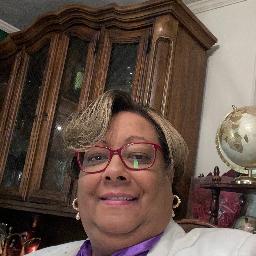
DeBorah Wall, LCSW
Licensed Clinical Social Worker - Relationships and Family
- LCSW, North Carolina
- C000630 · runs to March 2027
- NPI
- 1477884963 · national provider identifier
- Years in practice
- 34
- Languages
- English
As listed on DeBorah's public professional profile. A license can be checked with the state board that issued it, and an NPI with the national registry.
About DeBorah
DeBorah Wall is a Licensed Clinical Social Worker (LCSW) in North Carolina with 34 years of clinical experience. She focuses on stress, anxiety, depression, trauma and abuse, relationship concerns, addictions, grief, parenting and a range of mood and life-change issues. She works with people who are handling big changes, ongoing worry, or trouble in close relationships.
Sessions are practical and focused on developing coping skills. She uses methods that help people make small changes that matter day to day.
Background and approach
Her background includes long-term work with individuals and groups, including veterans. Over three decades she has supported people through PTSD, adjustment problems, low self-esteem, crisis moments, and chronic stress. That experience shapes how she plans care with each person.
Her approach is collaborative. She involves clients in making the treatment plan and adjusts the work as needs change. Conversations include identifying goals, practicing new ways of reacting, and tracking progress between meetings.
DeBorah draws on several therapeutic methods to match the issue at hand. That can mean using cognitive techniques to shift unhelpful thinking, emotion-focused work to address relationship patterns, or acceptance-oriented skills for handling difficult feelings. She also uses motivational and narrative strategies when readiness or life stories are central to the work.
People who prefer straight talk and clear steps for daily life may find this style helpful. The focus is on usable skills, steadier functioning, and clearer decisions about relationships, parenting, work, and self-care.
What DeBorah works with
Copied from DeBorah's public professional profile, in the words used there. It is what DeBorah lists, not a ranking or an assessment.
- Stress, Anxiety
- Relationship issues
- Family conflicts
- Trauma and abuse
- Depression
- Addictions
- Grief
- Intimacy-related issues
- Eating disorders
- Sleeping disorders
- Parenting issues
- Anger management
- Self esteem
- Career difficulties
- Bipolar disorder
- Coping with life changes
- Compassion fatigue
- ADHD
- Aging and geriatric issues
- Caregiver issues and stress
- Commitment issues
- Communication problems
- Dependent personality
- Emptiness
- Family of origin issues
- Family problems
- Forgiveness
- Guilt and shame
- Isolation / loneliness
- Life purpose
- Veteran and Armed Forces Issues
- Mood disorders
- Multicultural concerns
- Post-traumatic stress
- Prejudice and discrimination
- Seasonal Affective Disorder (SAD)
- Self-love
- Women's issues
- Workplace issues
Approaches DeBorah names
- Acceptance and Commitment Therapy (ACT)
- Client-Centered Therapy
- Cognitive Behavioral Therapy (CBT)
- Emotionally-Focused Therapy (EFT)
- Motivational Interviewing
- Narrative Therapy
- Solution-Focused Therapy
- Trauma-Focused Therapy
- Internal Family Systems
Naming an approach is not evidence of training in it. This directory shows what each therapist lists and does not check training records.
Therapeutic approaches used in online work
Acceptance and Commitment Therapy (ACT) helps people notice difficult thoughts and feelings without letting those experiences dictate action. It teaches values-based steps so someone can move toward what matters even when feelings are hard. Cognitive Behavioral Therapy (CBT) focuses on identifying unhelpful thoughts and testing them with practical behavior changes to reduce anxiety and depression. Emotionally-Focused Therapy (EFT) targets how people respond in close relationships and helps change patterns that lead to repeated conflict or withdrawal. Finding the right approach is part of the work. The therapist will review goals, preferences, and what has or has not helped before. Together the client and therapist decide which methods to try and adjust the plan over time based on what produces useful change. Confirm the session formats before booking since the biography does not list specific delivery options. Online work can make it easier to fit therapy into a busy life - for example, shorter check-ins around a break, sessions that don’t require travel, or options that avoid the need to be on camera. Many people find remote sessions help maintain continuity of care during work or caregiving demands, while still allowing the practical skill practice that in-person work provides.Questions people ask about DeBorah
What concerns does she help with most often?
DeBorah focuses on stress, anxiety, depression, trauma and abuse, relationship and family concerns, addictions, grief, parenting, and related mood issues.
What is her therapeutic style?
She uses a collaborative, practical approach that emphasizes coping skills, problem solving, and working together on a treatment plan.
How much clinical experience does she have?
She has 34 years of experience working with individuals and groups, including work with veterans and people coping with PTSD and crisis situations.
What credential does she hold and where is she based?
She is an LCSW licensed in North Carolina and practices from that state.
Which languages are sessions offered in?
Sessions are offered in English.
Can international clients work with her?
She does not accept international clients at this time.
How are sessions billed and what is the cost?
Cost varies by location; sessions use a subscription model that can be canceled at any time.
How do I begin a first session?
Select the See online therapy options button, complete the short matching questionnaire, and schedule a first session.
More therapists in North Carolina
Everyone in North Carolina
Patricia Greer
LCSW
North Carolina 20 years in practice
LCSW - Family and parenting support
- Stress, Anxiety
- Addictions
- Trauma and abuse

Korie Roane
LCSW
North Carolina 3 years in practice
Licensed Clinical Social Worker - Family and stress concerns
- Stress, Anxiety
- Anger
- Self esteem

Stephen Richardson
LCSW, LISW-CP
North Carolina 10 years in practice
Licensed clinical social worker - Family and relationship concerns
- Stress, Anxiety
- Relationship
- Bipolar
Surnames under W · everyone in the directory whose surname starts with W
Is this your profile?
Ask us to correct a detail or take the page down.
Contact us