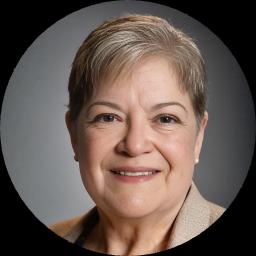
April Riley, LCSW
Licensed Clinical Social Worker - Stress and Addictions
- LCSW, Florida
- SW7074 · runs to March 2027
- NPI
- 1760404123 · national provider identifier
- Years in practice
- 28
- Languages
- English
As listed on April's public professional profile. A license can be checked with the state board that issued it, and an NPI with the national registry.
About April
April Riley is a Licensed Clinical Social Worker (LCSW) in Florida with 28 years of experience helping adults manage stress, anxiety, addictions, trauma and loss. She describes practical concerns she addresses, such as relationship strain, sleep problems, anger, low self-esteem, career transitions, and compassion fatigue. She uses straightforward talk therapy and focused methods to help people face immediate problems.
Sessions often include problem-solving steps, goal-focused conversations, and strategies to change unhelpful thinking and behavior.
Background and approach
Hypnotherapy and motivational techniques are part of her toolkit when those approaches match a person's goals. April emphasizes the person’s own knowledge of their life. She helps people identify strengths and small steps that fit day-to-day life.
That can look like clear behavioral experiments, short-term goals, or structured skill practice between visits. Her background is in social work and long-term clinical practice across a wide range of concerns. Over nearly three decades she has treated people coping with major illness, grief, chronic pain, substance issues, and trauma-related problems.
She also works with clients facing caregiver stress, communication problems, and the emotional strain of life changes. In sessions she blends client-centered conversation with evidence-informed methods such as cognitive behavioral techniques and solution-focused strategies. The focus is on practical changes and steady progress rather than long theoretical explanations.
April works in Florida and conducts sessions in English.
What April works with
Copied from April's public professional profile, in the words used there. It is what April lists, not a ranking or an assessment.
- Stress, Anxiety
- Addictions
- Trauma and abuse
- Grief
- Depression
- Relationship issues
- Family conflicts
- Sleeping disorders
- Anger management
- Self esteem
- Career difficulties
- Coping with life changes
- Compassion fatigue
- Aging and geriatric issues
- Avoidant personality
- Cancer
- Caregiver issues and stress
- Chronic pain, illness, and disability
- Co-morbidity
- Codependency
- Commitment issues
- Communication problems
- Coping with natural or human-caused disaster
- Dependent personality
- Domestic violence
- Drug and alcohol addiction
- Eating and food-related issues
- Emptiness
- Family of origin issues
- Family problems
- First responder issues
- Forgiveness
- Guilt and shame
- Hearing impaired
- Hospice and end-of-life counseling
- Impulsivity
- Isolation / loneliness
- Life purpose
- Midlife crisis
- Veteran and Armed Forces Issues
- Money and financial issues
- Mood disorders
- Obsessions, compulsions, and OCD
- Panic disorder and panic attacks
- Post-traumatic stress
- Prejudice and discrimination
- Seasonal Affective Disorder (SAD)
- Self-harm
- Self-love
- Social anxiety and phobia
- Somatization
- Traumatic brain injury
- Visually impaired
- Women's issues
- Workplace issues
Approaches April names
- Client-Centered Therapy
- Cognitive Behavioral Therapy (CBT)
- Hypnotherapy
- Motivational Interviewing
- Solution-Focused Therapy
- Trauma-Focused Therapy
Naming an approach is not evidence of training in it. This directory shows what each therapist lists and does not check training records.
How her approaches translate to online sessions
April uses client-centered work and cognitive behavioral techniques to help people break down problems and try new behaviors. Client-centered work focuses on listening and helping a person clarify goals and choices. Cognitive behavioral therapy (CBT) looks at patterns of thoughts and actions and teaches practical skills to change them.She also uses motivational interviewing to help people strengthen commitment to change and find personal reasons to try new steps. That approach is useful for addiction-related goals, lifestyle changes, and when someone feels stuck about taking action.
Finding the right mix of approaches is part of the first sessions. The therapist and client decide together which methods fit the person's needs, goals, and preferences. That collaborative process can shift as progress is made or new priorities emerge.
Confirm the available session formats before booking since the biography does not list them. Online sessions can make it easier to fit therapy into a busy week, shorten commute time, and allow for brief check-ins when a full appointment would be difficult. They also let people use techniques like CBT worksheets, guided breathing, or motivational exercises from home, at work during a break, or while traveling, depending on the chosen format.
Questions people ask about April
What kinds of problems does she help with?
She addresses stress, anxiety, addictions, trauma and abuse, grief, depression, relationship concerns, sleep problems, anger, and self-esteem issues among other life stresses.
What is her therapeutic style?
Her style is practical and goal-oriented, combining client-centered conversation with methods like cognitive behavioral techniques and solution-focused strategies.
How much clinical experience does she have?
She has 28 years of professional work experience in social work and clinical practice.
What credential does she hold and where is she based?
She is a Licensed Clinical Social Worker (LCSW) licensed in Florida and practices in that state.
Are sessions offered in other languages or internationally?
Sessions are offered in English and she is not currently accepting international clients.
What session formats are available?
Confirm current session options before booking, as the biography does not specify which formats are offered.
How does pricing work?
Cost varies with location and sessions use a subscription that can be canceled at any time.
How do I get started?
Select the See online therapy options button, complete a short matching questionnaire, and schedule a first session.
More therapists in Florida
Everyone in Florida
Keioni Betton
LMHC
Florida 5 years in practice
Licensed Mental Health Counselor - Family and stress concerns
- Stress, Anxiety
- Trauma and abuse
- Depression

Lisa Longo
LMHC, LPC
Florida 6 years in practice
Licensed counselor - Family and parenting concerns
- Stress, Anxiety
- Relationship
- Trauma and abuse
Mia Hall
LCSW
Florida 27 years in practice
LCSW in Florida - Family and relationship concerns
- Stress, Anxiety
- Relationship
- Depression
Surnames under R · everyone in the directory whose surname starts with R
Is this your profile?
Ask us to correct a detail or take the page down.
Contact us