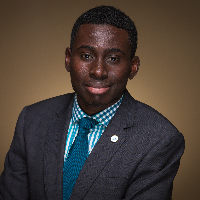
- LPCC, Minnesota
- 1176 · runs to February 2026
- NPI
- 1023605664 · national provider identifier
- Years in practice
- 11
- Languages
- English, Akan, Twi
As listed on Emmanuel's public professional profile. A license can be checked with the state board that issued it, and an NPI with the national registry.
About Emmanuel
Dr. Emmanuel Oppong is a Licensed Professional Clinical Counselor (LPCC) with 11 years of experience. He works with people facing stress, anxiety, addictions, relationship and family strains, depression, trauma, grief, and related concerns.
He communicates in English, Akan, and Twi and accepts international clients. He has worked in clinics, schools, prisons, and both inpatient and outpatient treatment settings. That varied experience means he is used to practical problems that come from busy lives and complex family situations.
Background and approach
Sessions are straightforward and focused on the issues the client brings. His approach blends several evidence-informed methods. He uses client-centered work to listen and reflect what matters most to the person.
He draws on cognitive behavioral techniques to identify and change patterns that keep problems stuck. He also uses EMDR when trauma memories are a central concern, and mindfulness practices to help manage strong emotions. Dr.
Oppong has helped people with a wide range of family and relationship topics, including blended family challenges, communication problems, abandonment concerns, commitment issues, and parenting stress. He also addresses addiction, domestic violence history, and co-occurring mental health and medical issues such as cancer or other comorbidity. People can expect practical steps, clear goal-setting, and skills to use between sessions.
He invites clients to try different approaches and to decide what helps most as therapy progresses.
What Emmanuel works with
Copied from Emmanuel's public professional profile, in the words used there. It is what Emmanuel lists, not a ranking or an assessment.
- Stress, Anxiety
- Addictions
- Relationship issues
- Family conflicts
- Depression
- LGBT
- Trauma and abuse
- Grief
- Intimacy-related issues
- Anger management
- Self esteem
- Career difficulties
- Coaching
- Abandonment
- Antisocial personality
- Attachment issues
- Blended family issues
- Body image
- Cancer
- Co-morbidity
- Codependency
- Commitment issues
- Communication problems
- Control issues
- Coping with natural or human-caused disaster
- Divorce and separation
- Domestic violence
- Drug and alcohol addiction
- Emptiness
- Family of origin issues
- Family problems
- Fatherhood issues
- Forgiveness
- Guilt and shame
- HIV / AIDS
- Hoarding
- Immigration issues
- Infidelity
- Isolation / loneliness
- Jealousy
- Life purpose
- Men's issues
- Veteran and Armed Forces Issues
- Money and financial issues
- Multicultural concerns
- Panic disorder and panic attacks
- Paranoia
- Personality disorders
- Phobias
- Post-traumatic stress
- Prejudice and discrimination
- Seasonal Affective Disorder (SAD)
- Self-love
- Sex addiction
- Sexual assault and abuse
- Sexuality
- Social anxiety and phobia
- Workplace issues
- Young adult issues
Approaches Emmanuel names
- Client-Centered Therapy
- Cognitive Behavioral Therapy (CBT)
- Eye Movement Desensitization and Reprocessing (EMDR)
- Mindfulness Therapy
- Motivational Interviewing
- Narrative Therapy
- Solution-Focused Therapy
- Trauma-Focused Therapy
Naming an approach is not evidence of training in it. This directory shows what each therapist lists and does not check training records.
How his approaches translate to online work
The work often draws on client-centered therapy and cognitive behavioral therapy. Client-centered therapy focuses on listening, reflecting, and helping the person name what matters. It can help clarify relationship priorities and parenting goals. Cognitive behavioral therapy looks at thoughts and behaviors that keep patterns repeating and uses exercises to change those patterns, which suits anxiety, depression, and many family stresses.He also uses Eye Movement Desensitization and Reprocessing, or EMDR, when trauma memories are central. EMDR helps process distressing memories so they cause less emotional upheaval. The decision to use EMDR or other methods is collaborative. The therapist will discuss goals and preferences and help choose the approach that fits the client's needs.
Confirm the session formats before booking as the biography does not list specific formats. Online work can make it easier to fit sessions around work and family life, reduce travel time, and allow shorter check-ins when schedules are tight. Practical choices about session length and contact rhythm are discussed together so therapy fits everyday routines.
Questions people ask about Emmanuel
What kinds of family concerns does he address?
He helps people with relationship tension, blended family issues, parenting strain, communication problems, divorce and separation, and commitment or abandonment concerns.
What is his general therapeutic style?
He combines client-centered listening with practical techniques. That means the work blends reflection with hands-on exercises to change unhelpful patterns.
How long has he been practicing?
He has 11 years of clinical experience in settings such as clinics, schools, prisons, inpatient and outpatient facilities.
What are his credentials and where is he based?
He is an LPCC and practices from Minnesota.
Which languages are supported for sessions?
Sessions are offered in English, Akan, and Twi.
Can people outside the United States work with him?
He accepts international clients.
How are sessions arranged and paid for?
Cost varies with location and sessions use a subscription that can be canceled at any time.
How do I begin working with him?
Select the See online therapy options button, complete a short matching questionnaire, and schedule a first session.
More therapists in Minnesota
Everyone in Minnesota
Michelle Bohmert
LPCC
Minnesota 10 years in practice
Licensed Professional Clinical Counselor - Family and addiction support
- Stress, Anxiety
- Addictions
- Relationship
Ericka Bassey
LCSW, LICSW
Minnesota 15 years in practice
Licensed Clinical Social Worker - Family and parenting focus
- Stress, Anxiety
- Grief
- Anger

Jennie Bell
LICSW
Minnesota 5 years in practice
LICSW in Minnesota - Relationships and Family
- Stress, Anxiety
- LGBT
- Relationship
Surnames under O · everyone in the directory whose surname starts with O
Is this your profile?
Ask us to correct a detail or take the page down.
Contact us