
- LIMHP, Nebraska
- 1868 · runs to September 2026
- NPI
- 1437529401 · national provider identifier
- Years in practice
- 9
- Languages
- English
As listed on Sheree's public professional profile. A license can be checked with the state board that issued it, and an NPI with the national registry.
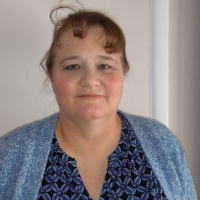
About Sheree
Sheree Mitchell is a Licensed Independent Mental Health Practitioner (LIMHP) in Nebraska with nine years of clinical experience. She works with adults who are coping with stress, anxiety, relationship strain, family conflict, trauma and abuse, and depression. Sheree also addresses related concerns such as blended family issues, communication problems, fatherhood issues, adoption and foster care matters, and separation or divorce questions.
Her approach is direct and practical. Sessions focus on clear goals and steady progress.
Background and approach
Sheree listens to what matters most and uses conversation to identify small, manageable changes people can try between visits. Sheree uses several methods to guide sessions, including client-centered therapy, cognitive behavioral therapy, emotionally-focused therapy, motivational interviewing, and narrative therapy. These techniques support different kinds of problems - from changing patterns of thinking to improving how people talk about hard experiences.
She keeps sessions focused on realistic steps for daily family life. That can mean working on communication skills, talking through family-of-origin issues, or addressing feelings tied to abandonment and codependency. Sheree helps people notice patterns and try new responses in real situations.
If someone wants to begin, they follow the site's matching process and schedule an initial session. Sheree asks about immediate concerns and practical goals on that first meeting, then together they decide what to work on next.
What Sheree works with
Copied from Sheree's public professional profile, in the words used there. It is what Sheree lists, not a ranking or an assessment.
- Stress, Anxiety
- Relationship issues
- Family conflicts
- Trauma and abuse
- Depression
- Abandonment
- Adoption and foster care
- Aging and geriatric issues
- Blended family issues
- Codependency
- Commitment issues
- Communication problems
- Dependent personality
- Disruptive Mood Dysregulation Disorder (DMDD)
- Divorce and separation
- Domestic violence
- Emptiness
- Family of origin issues
- Family problems
- Fatherhood issues
- Forgiveness
- Guilt and shame
- Infidelity
- Isolation / loneliness
- Jealousy
- Life purpose
- Midlife crisis
- Mood disorders
- Multicultural concerns
- Narcissism
- Personality disorders
- Postpartum depression
- Post-traumatic stress
- Prejudice and discrimination
- Seasonal Affective Disorder (SAD)
- Self-love
- Sexual assault and abuse
- Social anxiety and phobia
- Workplace issues
Approaches Sheree names
- Client-Centered Therapy
- Cognitive Behavioral Therapy (CBT)
- Emotionally-Focused Therapy (EFT)
- Motivational Interviewing
- Narrative Therapy
- Solution-Focused Therapy
- Trauma-Focused Therapy
- Internal Family Systems
Naming an approach is not evidence of training in it. This directory shows what each therapist lists and does not check training records.
How Sheree’s approaches translate to online work
Client-centered therapy focuses on listening and reflecting back what matters to the person. It helps people feel heard and clarifies the goals they want to work on, such as clearer family communication or reducing daily anxiety.Cognitive Behavioral Therapy, or CBT, looks at the links between thoughts, feelings, and actions. It helps identify unhelpful thinking patterns and tests small behavior changes that can reduce stress and improve relationships.
Emotionally-Focused Therapy, or EFT, concentrates on how emotions shape interactions. It can help people name strong feelings and practice different ways of responding during tense family moments.
Choosing the right method is a collaborative process. The therapist will talk with each person about goals, try approaches that fit those aims, and adjust the plan as needed rather than expecting one fixed method to solve everything.
Session formats are not specified in the biography, so confirm current options before booking. Online sessions can make it easier to fit therapy into a busy family schedule, shorten travel time, and allow for brief check-ins between longer appointments. They also let therapists use worksheets and structured exercises during a meeting, which supports goal-focused work like CBT assignments or narrative writing tasks.
Questions people ask about Sheree
What issues does she help with most often?
She works with stress, anxiety, relationship strain, family conflict, trauma and abuse, and depression. The profile also lists related topics like adoption and foster care, blended family issues, and fatherhood concerns.
What is her therapeutic style?
Sessions are practical and goal-focused. She uses client-centered conversation alongside techniques from CBT, EFT, motivational interviewing, and narrative therapy.
How much experience does she have?
Sheree has nine years of professional work experience in mental health practice.
What credential does she hold and where is she based?
She is a LIMHP licensed in Nebraska and practices from that state.
Which languages are supported?
Sessions are offered in English.
Can people outside the U.S. work with her?
International clients are not currently accepted.
How are sessions scheduled and what about cost?
Cost varies with location and sessions use a subscription that can be canceled at any time. Exact pricing is provided during sign-up.
How do I begin a first session?
Use the See online therapy options button, complete a short matching questionnaire, and schedule your first session through the site's process.
More therapists in Nebraska
Everyone in Nebraska
Scott Walls
LIMHP
Nebraska 27 years in practice
LIMHP - Stress and family concerns
- Stress, Anxiety
- Trauma and abuse
- Self esteem
Shaun Cunningham
LMHP
Nebraska 25 years in practice
Licensed Mental Health Practitioner - Family and stress support
- Stress, Anxiety
- Trauma and abuse
- Addictions

Sheri Neve
LIMHP
Nebraska 9 years in practice
LIMHP - Stress and Parenting support
- Stress, Anxiety
- Addictions
- Relationship
Surnames under M · everyone in the directory whose surname starts with M
Is this your profile?
Ask us to correct a detail or take the page down.
Contact us